Russian Coal and Steel Exports to China Decline Amid Global Shifts in Trade
In 2024, Russia’s exports of coal and steel to China saw significant declines, marking a notable shift in the economic relationship between the two countries. While China continued to be a vital partner for Russia amid the ongoing geopolitical tensions, the shrinking exports underscore broader global trade dynamics and the challenges posed by Moscow’s increasing isolation from Western markets.
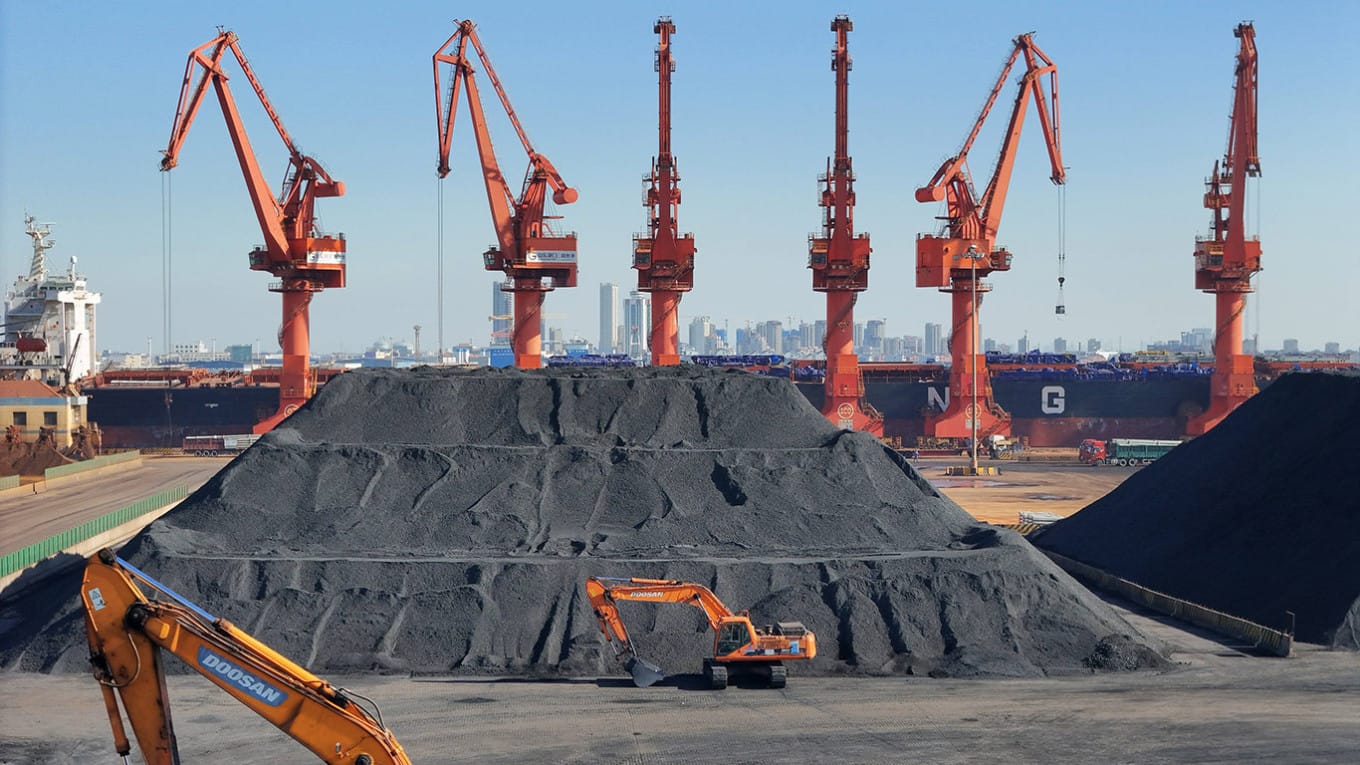
China, the world’s largest coal importer, reached a historic high by importing 543 million tons of coal in 2024, a 14% increase from the previous year. However, Russian coal exports to China fell by 7%, amounting to 95.1 million tons. This decline made Russia the only major coal exporter to China to experience a drop in shipments, despite the country’s growing demand for the resource. In contrast, Mongolia and Australia saw significant increases in their coal exports to China, with Mongolia’s shipments rising by 19%, and Australia’s skyrocketing by 60%, each reaching nearly 83 million tons.
Mongolia’s proximity to China, along with its expanding rail infrastructure and long-term contracts with Chinese firms, has helped it emerge as a key supplier of high-quality coal to China’s steel industry. Russian coal, however, has faced numerous challenges, including Western sanctions, rising production costs, and logistical inefficiencies. These factors led to a cumulative loss of 91 billion rubles ($1 billion) in the first nine months of 2024, the highest among all Russian sectors. Nearly half of Russia’s coal enterprises are reportedly operating at a loss, prompting emergency support measures from President Vladimir Putin in December.
The downturn in coal exports was mirrored in Russia’s steel sector, with steel exports to China halving to just $368.9 million in 2024, the lowest since 2019. Semi-finished iron and steel product shipments dropped by 54%, and exports of flat-rolled alloy steel products saw a staggering eightfold decrease. Russia’s total loss in steel and iron exports to China amounted to $408.9 million, with gains in other metal categories failing to make up for the shortfall. By the year’s end, Russia ranked just 10th among China’s steel suppliers, trailing countries like Indonesia, Japan, and South Korea.
Overall, the trade between Russia and China showed signs of stagnation for the first time since Russia’s invasion of Ukraine in 2022. The growth rate of overall trade slowed to just 1.9% in 2024, down from 26% in 2023. While Chinese exports to Russia grew by 5%, Russian exports to China saw a modest increase of only 1%. Key Russian commodities like oil and liquefied natural gas (LNG) also experienced minimal growth, with LNG revenues declining by 6%, reaching $4.6 billion. These trends highlight the growing complexity of Russia-China trade relations as Russia grapples with the consequences of sanctions and global shifts in supply chains. The challenges faced by Russia’s coal and steel industries, coupled with stagnation in broader trade, suggest a need for strategic realignment if Russia is to maintain its position as a key supplier to China in the future.