Adani’s ACC Cement Plant Under NGT Scanner for Pollution Violations
A joint inspection by the National Green Tribunal (NGT) has flagged serious environmental compliance gaps at the ACC Limited cement plant in Barmana, Himachal Pradesh, operated by the Adani Group. The findings highlight unabated dust emissions, inadequate pollution control mechanisms, and a failure to implement mandated green measures, raising significant concerns about air quality, industrial accountability, and the impact on local communities.
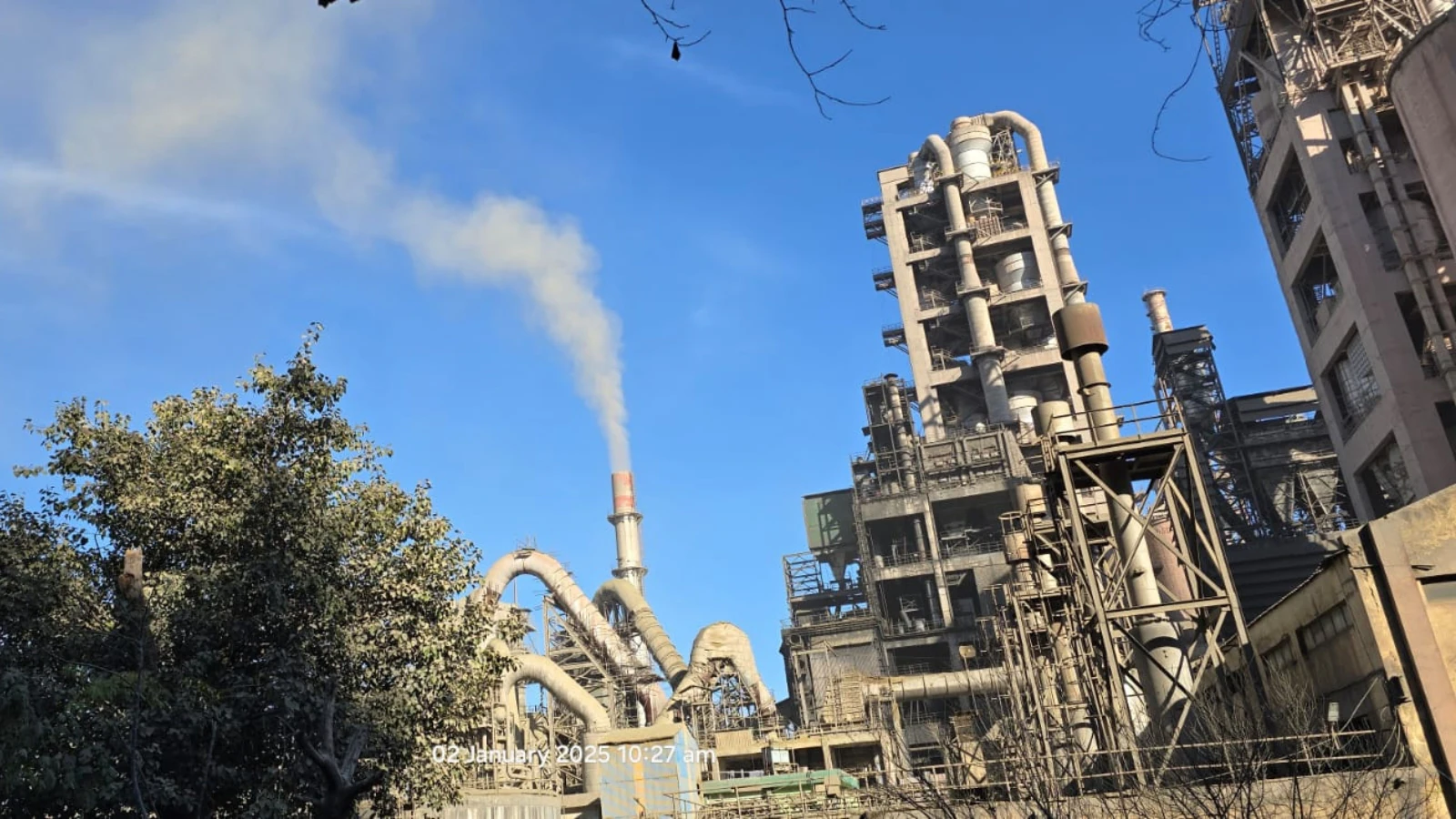
The inspection was carried out on 18th January by a committee comprising Bilaspur Subdivisional Magistrate (SDM) Abhishek Garg, Himachal Pradesh State Pollution Control Board (HPSPCB) regional officer Pawan Sharma, and Central Pollution Control Board (CPCB) scientist Narender Sharma. Their report underscores the plant’s inability to contain clinker, ash, and cement dust, resulting in uncontrolled particulate matter dispersal, affecting the surrounding environment and communities. Among the critical issues noted was the absence of an effective dust containment system, despite previous directives from pollution control authorities. The plant had installed metal sheets and nets to mitigate dust spread near residential areas, but these were deemed insufficient in height and effectiveness. Additionally, the unit’s truck wheel washing system lacked a mechanism for oil and grease removal, raising concerns about water contamination and improper waste management.
Further, the plant has failed to develop a three-layer tree plantation system, a regulatory mandate designed to curb noise and air pollution from industrial operations. While the facility boasts 111 air pollution control devices, including 109 bag filters and two electrostatic precipitators, the persistence of air quality issues suggests operational inefficiencies and inadequate maintenance of these pollution control systems. The ACC cement plant has been at the receiving end of environmental penalties multiple times. In April 2022, the HPSPCB imposed an environmental compensation of ₹1.29 crore for air pollution violations and the discharge of untreated wastewater. Prior to that, in 2015, the NGT had levied a ₹50 lakh fine for similar violations. Despite these financial penalties, the plant continues to operate in a manner that raises environmental concerns.
The cement industry is one of India’s most resource-intensive and high-emission sectors, accounting for 7% of global CO₂ emissions. With air pollution already contributing to severe health risks across the country, the lack of strict enforcement of compliance norms in industrial operations like ACC’s Barmana facility further exacerbates the crisis. During the January inspection, the plant was operating at only 25% capacity due to an annual maintenance shutdown. As a result, the NGT has granted an additional eight weeks for a follow-up evaluation when the plant resumes full-scale operations. For local residents, however, time is running out. The persistent presence of airborne pollutants, the contamination of roads and water sources, and the lack of stringent accountability from industrial players continue to be pressing concerns. As regulatory bodies prepare for another assessment, the spotlight remains on whether the Adani Group will take tangible steps towards sustainable and compliant operations—or whether the issue will remain yet another case of industrial impunity in India’s rapidly growing infrastructure sector.