HomeBricks & MortarUltraTech Cement Crosses 2 GW Green Power Mark

UltraTech Cement Crosses 2 GW Green Power Mark

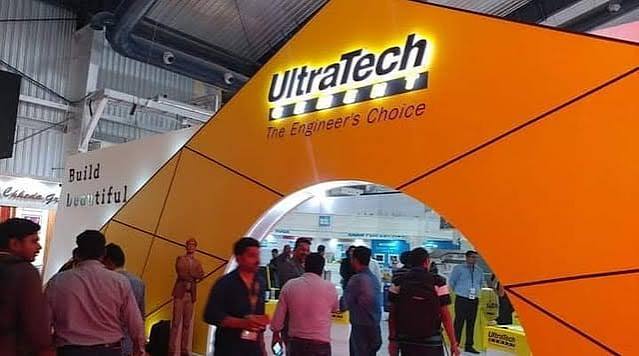
India’s cement industry is moving deeper into a power transition as UltraTech Cement takes its captive green energy capacity beyond 2 GW, with clean sources now covering about 48% of its electricity needs. The shift matters beyond factory economics: cement is central to housing and infrastructure growth, making the sector’s energy choices increasingly important for India’s emissions and resource footprint.

The company commissioned 116.55 MW of wind capacity in Rajasthan and another 10 MW of waste heat recovery capacity at a Karnataka plant, taking its total captive green energy capacity to 2,024 MW. The portfolio consists of 1,580 MW of renewable energy and 444 MW from waste heat recovery systems.  For green power, the significance is not simply the size of the portfolio. Waste heat recovery converts heat generated during cement production into electricity, while wind and other renewable sources reduce dependence on conventional power. Together, these systems can make a large industrial network less exposed to fossil-fuel and electricity-price swings. The change has been rapid. At the end of FY26, UltraTech reported 1,806 MW of installed green power capacity, including 1,392 MW of renewable energy and 414 MW of waste heat recovery, with green sources accounting for about 41% of its power requirements. The latest additions therefore represent a significant increase within months rather than a distant transition target.

The company is targeting an 85% share of green energy in its overall power mix by 2030. Its operating network also shows how uneven the transition can be: nearly one-third of its 76 manufacturing units were using green energy for more than half of their electricity requirements, while five had crossed 95%. For cities, the implications are broader than corporate carbon accounting. Cement demand is closely linked to roads, housing, metro systems, commercial buildings and other infrastructure. Reducing the energy intensity of materials used in this expansion can lower part of the environmental burden associated with urban growth.

However, green power capacity alone does not make cement production low-carbon. The industry still faces emissions from clinker production, particularly the chemical release of carbon dioxide during limestone processing. Energy storage, transmission infrastructure and further reductions in process emissions will therefore determine how far renewable electricity can take the sector.Industry experts say the next test will be whether large manufacturers can continue scaling clean energy while maintaining reliable production and controlling capital costs. For a rapidly urbanising India, that balance will shape whether infrastructure expansion becomes progressively more resource-efficient or simply increases the environmental cost of growth.

Also Read : India Steel Boom Redraws The Raw Material Map
UltraTech Cement Crosses 2 GW Green Power Mark
RELATED ARTICLES

LEAVE A REPLY

Please enter your comment!
Please enter your name here

- Advertisment -spot_img

Most Popular

Recent Comments

Asian Paints Faces Festive Demand And Margin Test

Asian Paints Faces Festive Demand And Margin Test

India’s paint market is heading into the Diwali season with investors looking for a demand recovery after a weak first half of FY27. Major...
India Steel Consumption Growth Set to Shape Cities

India Steel Consumption Growth Set to Shape Cities

India’s steel market is entering another period of expansion, with consumption expected to rise by 7–8% or more over the next few years as...

NCR Housing Sales Expose A Widening Affordability Gap

NCR Housing Sales Expose A Widening Affordability Gap

India’s housing market entered a more selective phase in 2026, with sales across eight major cities holding broadly steady while demand moved towards higher-value...

Raymond Realty Gains From Sustained MMR Housing Demand

Raymond Realty Gains From Sustained MMR Housing Demand

Mumbai’s housing market is showing pockets of strong buyer activity, with Raymond Realty reporting a sharp rise in quarterly sales bookings across its projects...

Mumbai Housing Sales Shift Towards Higher Value Homes

Mumbai Housing Sales Shift Towards Higher Value Homes

Mumbai’s housing market is holding up at record levels, but the shape of demand is changing. Nearly 72,804 homes were sold across the Mumbai...