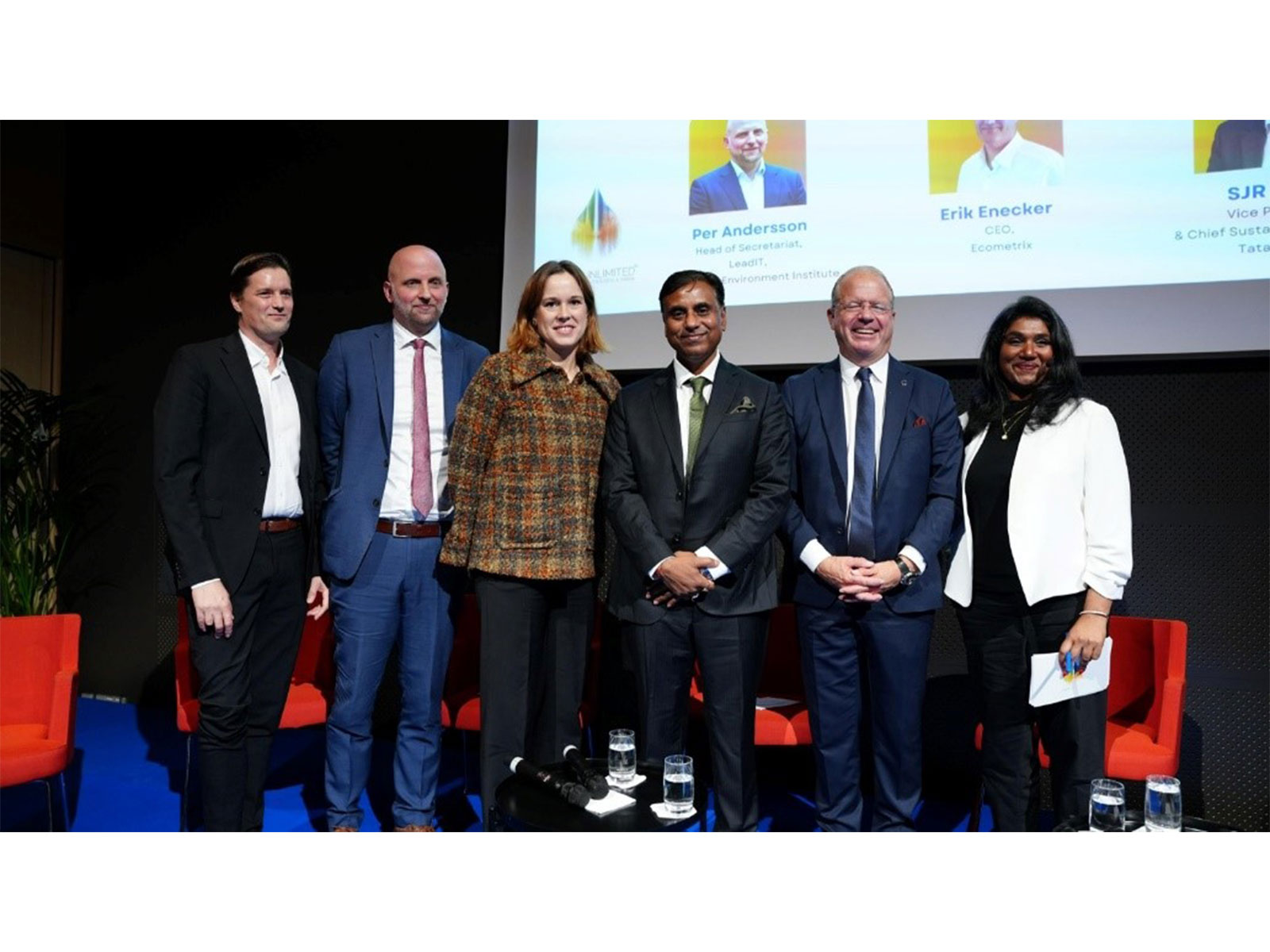
India and Sweden have intensified discussions on joint research and industrial collaboration to accelerate the transition towards green steel production, marking a significant step in the global drive to decarbonise heavy industries.
The dialogue, held between senior officials from both countries, focused on technology partnerships, innovation funding, and industrial best practices that can reduce emissions in steel manufacturing one of the world’s most carbon-intensive sectors. The conversation builds on both nations’ shared vision for sustainable industrial growth and climate-aligned infrastructure development.
According to officials, the discussions aimed to strengthen cooperation on hydrogen-based steelmaking, carbon capture solutions, and energy efficiency across steel plants. Sweden, known for pioneering fossil-free steel technologies, offers valuable expertise, while India brings scale, manufacturing capacity, and a fast-growing domestic market that is key to global sustainability targets.
A senior official from the Ministry of Steel said the collaboration represents “a bridge between innovation and implementation”, helping India align its industrial transformation with its 2070 net-zero target. “Decarbonising steel is crucial for India’s urban future, as construction and infrastructure rely heavily on this material. Working with Sweden allows us to accelerate innovation and reduce dependency on coal-based production,” the official noted.
Industry analysts highlight that the partnership comes at a crucial time when India’s steel demand is projected to rise sharply due to rapid urbanisation and infrastructure expansion. Transitioning to green steel will be essential not only to meet domestic climate commitments but also to remain competitive in export markets where carbon border taxes are emerging.The collaboration also aligns with India’s broader green manufacturing initiatives under the National Green Hydrogen Mission, which seeks to promote hydrogen as a clean energy source in hard-to-abate sectors like steel, cement, and fertilisers. Sweden’s HYBRIT project a world-first fossil-free steelmaking process is viewed as a potential model for replication and adaptation in Indian conditions.
Experts believe that successful knowledge exchange between the two countries could set a global precedent for equitable and scalable decarbonisation partnerships. Beyond environmental gains, the collaboration could also stimulate green job creation, enhance technological self-reliance, and build a foundation for sustainable city construction in the decades ahead.As both countries move forward, the India–Sweden dialogue stands as a model for international cooperation where climate action and industrial growth are not opposing goals, but complementary pathways to a resilient, low-carbon future.
New Delhi Strengthens India Sweden Partnership To Accelerate Green Steel Technology Collaboration