HomeLatestChhattisgarh Gevra Mine Poised For Global Production Lead

Chhattisgarh Gevra Mine Poised For Global Production Lead

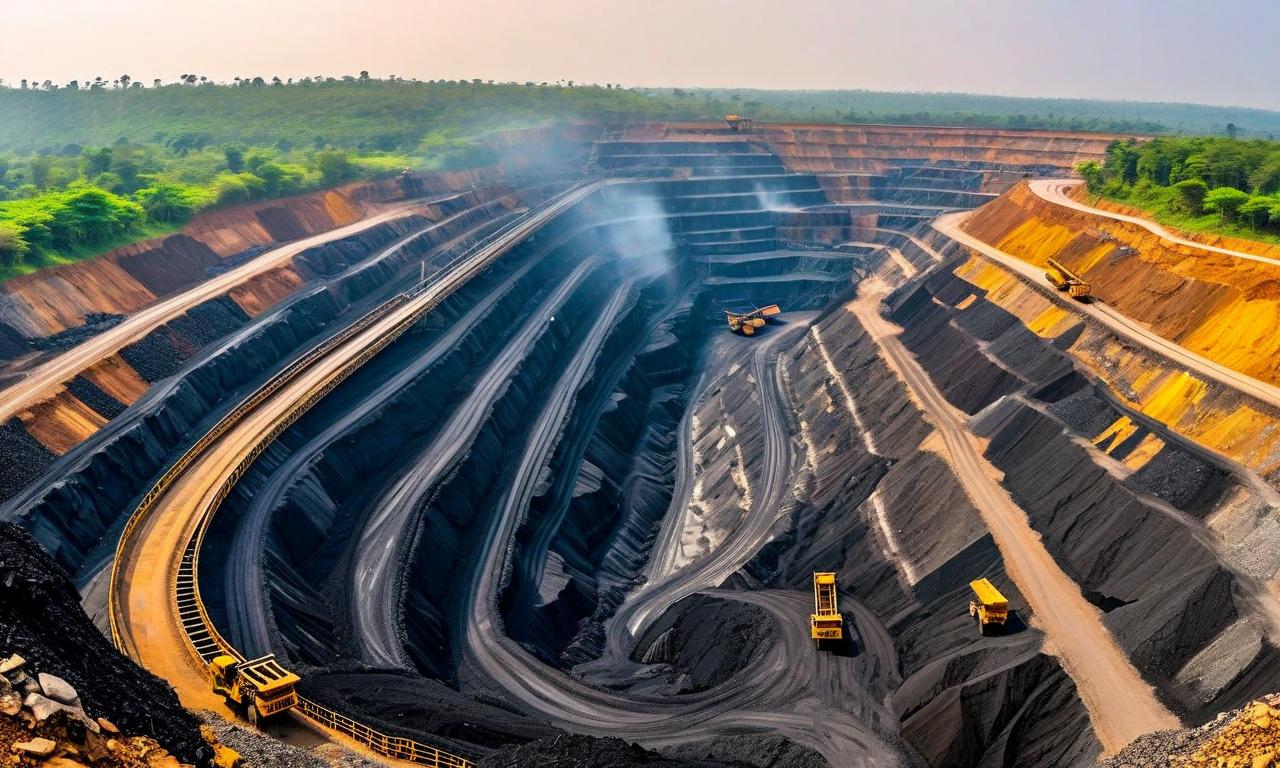
India’s footprint in global coal production is poised to deepen as Coal India’s South Eastern Coalfields Ltd (SECL) readies its Gevra coal block in Chhattisgarh to reclaim the title of the world’s largest single-site coal producer by next year. The expansion, driven by rising domestic energy demand and robust industrial activity, heightens the strategic importance of coal in powering cities and supporting infrastructure, even as the nation pursues cleaner energy transitions.

Located in Korba district, Gevra is already India’s largest opencast coal mine and has received environmental clearance to scale capacity to 70 million tonnes per annum. Current production is projected at about 56 million tonnes this fiscal year, and SECL officials are targeting output of around 63 million tonnes in 2027 — surpassing the output levels of long-established global leaders such as the Black Thunder mine in the United States.This anticipated milestone in coal production underscores coal’s continued role as a backbone of India’s electricity grid. Despite the accelerated deployment of renewable energy, coal still underpins a significant portion of baseload and peak power generation, which in turn fuels urbanisation, industrial estates, transportation hubs and residential demand for reliable electricity. For property developers and urban planners, assured power supply is a critical variable in project financing, construction scheduling and long-term asset valuation.

For cities scaling up rapidly, from smart-city corridors to mixed-use townships, dependable energy — even from traditional sources — remains a business imperative. Large-scale housing developments, commercial real estate and manufacturing zones rely on stable power to attract investment and sustain operations. Energy planners argue that without sufficient generation capacity, infrastructure backlogs can emerge, delaying building completions and inflating costs.While SECL’s push to make Gevra the world’s top coal mine reflects immediate energy imperatives, it also highlights broader tensions in India’s development pathway. The mine’s expansion was cleared under environmental protocols, yet coal extraction inherently involves land-use changes, supply chain logistics and carbon emissions. That dichotomy plays out in local economies and national policy: policymakers must manage near-term energy security alongside longer-term sustainability goals.

Moreover, SECL’s wider diversification plans — spanning gasification projects, solar capacity within mining operations, and rare-earth element extraction from overburden — point to an evolving energy and resource strategy that seeks to balance traditional fuels with future-oriented technologies. If realised, such initiatives could soften coal’s environmental footprint and align with resilient infrastructure goals.From a real estate and built-environment perspective, the ripple effects of Gevra’s growth are multifaceted. Enhanced energy availability can lower outage risks and operational costs for builders and tenants. Yet ensuring that coal-dependent urban expansion dovetails with climate-responsive city planning remains an ongoing challenge for municipalities and regulators.

As India scales up coal output at Gevra and integrates it with broader energy and urban development strategies, stakeholders across sectors — from power utilities to real estate developers — will be watching closely to balance economic growth with sustainability imperatives.

Also Read: India Construction Solvent Market Expands With Infrastructure Growth

Chhattisgarh Gevra Mine Poised For Global Production Lead
RELATED ARTICLES

LEAVE A REPLY

Please enter your comment!
Please enter your name here

- Advertisment -spot_img

Most Popular

Recent Comments

Shree Cement Sets July Results Discussion

Shree Cement Sets July Results Discussion

Shree Cement is set to present its financial performance for the first quarter of FY27 through an investor and analyst interaction on 31 July,...
India Fertiliser Imports Reinforce National Supply Security

India Fertiliser Imports Reinforce National Supply Security

India imported more than 3.2 million tonnes of fertilisers during the first quarter of FY27, while expanding overseas sourcing arrangements to safeguard supplies ahead...
India Chemical Sector Gains Strategic Government Support

India Chemical Sector Gains Strategic Government Support

The Union Cabinet has approved a ₹3,030 crore national programme to strengthen India’s chemicals sector, aiming to boost domestic manufacturing, reduce import dependence and...
India Specialty Chemicals Drive Industrial Innovation

India Specialty Chemicals Drive Industrial Innovation

India’s specialty chemicals sector is entering a new phase of expansion driven by investments in advanced manufacturing, research and production capacity, as companies respond...
India Metal Recycling Drives Sustainable Manufacturing

India Metal Recycling Drives Sustainable Manufacturing

India’s next phase of growth in the metals sector is expected to rely increasingly on recycling rather than fresh mineral extraction, reflecting a broader...