Panvel is rapidly transforming from a peripheral suburb into one of the Mumbai Metropolitan Region’s most closely watched residential markets, following the operational launch of the Navi Mumbai International Airport and improved regional connectivity. The shift is reshaping the MMR property market and signalling a new growth corridor east of the traditional island city.
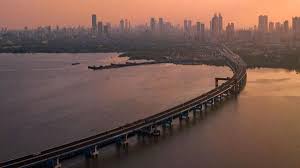
Over the past three years, Panvel has recorded the steepest price appreciation across MMR micro-markets. Industry research indicates that average apartment rates have risen by more than 50 per cent since 2022, with additional gains following the airport’s commencement of operations last year. The MMR property market has broadly strengthened during this period, but Panvel’s trajectory has outpaced established hubs such as Thane and core Navi Mumbai. Urban planners attribute the surge to a confluence of infrastructure investments. The Mumbai Trans Harbour Link, which significantly reduces travel time between south Mumbai and Navi Mumbai, has improved accessibility perceptions. Meanwhile, the airport’s proximity roughly 10 km from several residential clusters has fuelled expectations of sustained economic activity, logistics demand and employment growth. A substantial portion of Panvel falls within the Navi Mumbai Airport Influence Notified Area (NAINA), a large master-planned urban expansion being developed by the City and Industrial Development Corporation. This framework has enabled relatively orderly land aggregation and township-scale projects, offering developers scope to create integrated communities rather than fragmented standalone buildings. The pricing story extends beyond apartments. Plot values have also seen strong appreciation, reflecting investor interest alongside end-user demand. Market analysts suggest that aviation-linked employment and allied services are beginning to translate into real housing absorption, rather than purely speculative buying.
Developers have responded decisively. Several national and Mumbai-based real estate groups have expanded their footprint in Panvel between 2022 and 2025, launching tens of thousands of new units. Early entrants are now planning complementary social infrastructure such as schools and community facilities, indicating a gradual shift from opportunistic launches to long-term ecosystem building within the MMR property market. However, experts caution that infrastructure-led appreciation can moderate once initial optimism stabilises. A significant portion of the “airport premium” may already be reflected in current prices. Future growth, they argue, will depend on steady job creation, timely project delivery and the integration of public transport systems linking Panvel to employment hubs across MMR. There are also sustainability considerations. As development accelerates, ensuring flood-resilient drainage, green buffers and water security will be critical for a low-lying region vulnerable to monsoon stress. Balanced urban planning within NAINA could determine whether Panvel evolves into a climate-resilient extension of Mumbai or faces the strain of rapid expansion.
For now, Panvel’s momentum appears intact. As airlines scale operations and ancillary industries cluster around the new airport, the MMR property market’s centre of gravity is visibly shifting and Panvel is firmly on that runway.
Also Read: Navi Mumbai Boosts Property Tax Collections
Panvel Emerges As MMR Property Hotspot