
HomeLatestIndia Housing Design Moves Beyond Open Kitchens

India Housing Design Moves Beyond Open Kitchens

Residential architecture in India is undergoing a subtle transformation as homeowners increasingly prioritise privacy, functionality and personal wellbeing over dramatic open-plan layouts. Designers and real estate experts say the shift reflects changing lifestyles, where homes must now support work, relaxation and family life within the same space.

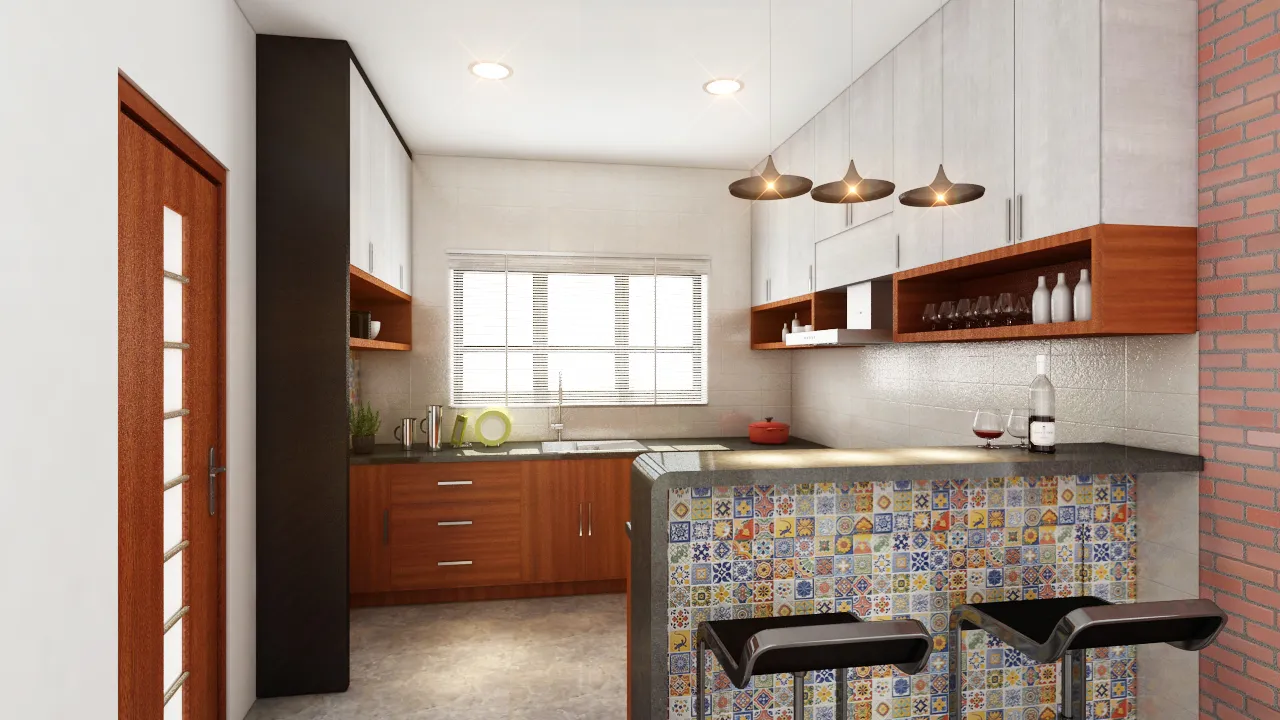
For more than a decade, open kitchens and expansive living areas defined modern urban housing. However, developers and architects now report growing demand for layouts that balance openness with more defined zones. The emerging trend suggests that homeowners are reconsidering whether large, uninterrupted spaces truly meet the practical needs of everyday living.The evolution is particularly visible in the design of kitchens and bedrooms. Open kitchens remain common in many new apartments, but buyers are increasingly opting for semi-closed or dual-kitchen layouts that separate heavy cooking from dining and entertainment areas. In cities where cooking styles involve strong aromas and intensive preparation, architects say partitioned or layered kitchen designs offer better functionality and comfort.At the same time, bedrooms are being reimagined as more than just sleeping spaces. Many homeowners now view them as personal sanctuaries designed for relaxation and privacy. Designers are incorporating reading corners, meditation areas and flexible workspaces into bedroom layouts, reflecting how residential spaces have adapted to hybrid lifestyles where professional and personal routines often overlap.

Urban density is another factor influencing architectural preferences. As apartment sizes shrink in major metropolitan regions, residents are seeking layouts that maximise utility without compromising comfort. Instead of vast open areas, homes are increasingly being planned with carefully defined zones that improve organisation and reduce noise. Separate spaces for working, studying and leisure have become especially valuable in households with multiple occupants.Interior design trends also reflect this broader change. Warmer colour palettes, tactile materials and layered interiors are replacing minimal, uniform aesthetics that once dominated luxury housing. The emphasis is shifting toward spaces that feel personal and lived-in rather than visually perfect or showroom-like.

Architects say the shift does not necessarily mean the end of open layouts. Instead, the new design approach blends openness with subtle spatial separation. Sliding partitions, partial walls and flexible furniture are increasingly used to create adaptable living environments that can change according to household needs.The transformation highlights how residential architecture evolves alongside social patterns. As more people spend extended periods at home for work, education and recreation, the house itself is expected to perform multiple functions.

For developers and urban planners, this changing preference may influence future housing projects. Instead of emphasising only visual spaciousness, upcoming residential developments could place greater focus on flexibility, privacy and wellness—features that are becoming central to how Indian households define a comfortable home in 2026

Also Read: Global Coking Coal Prices Drop Amid Conflict

India Housing Design Moves Beyond Open Kitchens
RELATED ARTICLES

LEAVE A REPLY

Please enter your comment!
Please enter your name here

- Advertisment -spot_img

Most Popular

Recent Comments

Tamil Nadu Fertiliser Prices Raise Rural Concerns

Tamil Nadu Fertiliser Prices Raise Rural Concerns

Farmers across Tamil Nadu are confronting a sharp increase in cultivation expenses ahead of key planting cycles, as rising prices of fertilisers and crop...
Sudarshan Chemical Investor Meeting Signals Industry Focus

Sudarshan Chemical Investor Meeting Signals Industry Focus

A scheduled investor interaction by a major specialty chemicals manufacturer is drawing attention to the growing role of corporate transparency in sectors that supply...
IFA Steels Expansion Signals Construction Shift

IFA Steels Expansion Signals Construction Shift

Eastern India’s construction materials sector is witnessing another capacity addition as IFA Steels increases production of welded wire mesh,a product increasingly used in modern...
India Cement Industry Watches Tax Credit Decision

India Cement Industry Watches Tax Credit Decision

A recent appellate ruling involving a leading cement producer has renewed focus on the role of tax certainty in India’s manufacturing and infrastructure sectors. The...
Coimbatore Raw Material Park Backs Industrial Resilience

Coimbatore Raw Material Park Backs Industrial Resilience

A proposal for a dedicated Raw Material Park in Coimbatore has brought renewed attention to the infrastructure challenges facing India’s manufacturing focused small and...