HomeReal EstateCommercialNavi Mumbai Commercial Growth Signals New Business District

Navi Mumbai Commercial Growth Signals New Business District

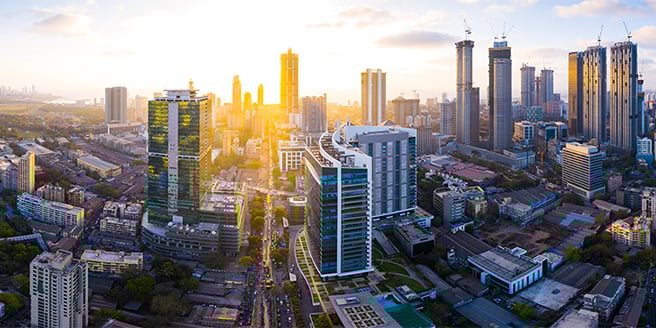
Navi Mumbai is rapidly consolidating its position as a major corporate destination as companies increasingly seek cost-efficient alternatives to India’s traditional business districts. The Navi Mumbai office market is gaining traction among multinational firms and global capability centres due to comparatively lower rental costs, growing infrastructure networks and the availability of modern institutional-grade office supply.

Industry data suggests that office rentals in Navi Mumbai remain significantly below the average rates seen in larger metropolitan business hubs. This pricing advantage is emerging as a decisive factor for global companies looking to expand in India while managing operational costs. Urban economists say the shift reflects a broader rebalancing of India’s commercial real estate geography as corporations diversify away from congested central business districts. The Navi Mumbai office market currently hosts more than 32 million square feet of Grade A workspace, with a further pipeline of large developments expected over the remainder of the decade. Real estate analysts indicate that this supply expansion is being driven by long-term demand from technology firms, financial services companies and multinational back-office operations seeking scalable and future-ready workspaces. Strategic micro-markets such as Airoli, Ghansoli and Vashi have become focal points for this growth. These districts are witnessing the development of large office campuses, technology parks and data infrastructure designed to support high-density digital operations.

Urban planners note that such clusters are reshaping Navi Mumbai’s economic profile from a suburban extension of Mumbai into a self-sustaining employment centre. Connectivity improvements have further strengthened the city’s appeal. Expanded suburban rail services, upcoming metro corridors and improved road links to Mumbai’s financial districts are helping shorten commute times. Infrastructure planners believe these transport upgrades are essential to supporting balanced metropolitan growth and reducing pressure on Mumbai’s core business zones. Sustainability considerations are also beginning to influence development patterns. A growing share of newly built office projects in Navi Mumbai are pursuing green building certifications and energy-efficient design standards. Developers say environmentally responsible office spaces are becoming a requirement rather than a differentiator as global firms adopt stricter climate commitments and environmental reporting norms.

Urban development experts argue that Navi Mumbai’s commercial rise could play a crucial role in shaping a more decentralised metropolitan economy. By distributing employment centres across the wider region, planners hope to reduce long-distance commuting, improve quality of life for workers and support more climate-resilient urban growth patterns. With substantial office supply still in the pipeline and infrastructure investment continuing, the city is poised to strengthen its role as one of India’s emerging commercial corridors. For policymakers and planners, the next challenge will be ensuring that rapid business expansion is matched by sustainable transport systems, housing availability and inclusive urban services for the growing workforce.

Also Read : Navi Mumbai Plans Major Kharghar Corporate Park
Navi Mumbai Commercial Growth Signals New Business District
RELATED ARTICLES

LEAVE A REPLY

Please enter your comment!
Please enter your name here

- Advertisment -spot_img

Most Popular

Recent Comments

Mumbai Property Registrations Reach New Milestone

Mumbai Property Registrations Reach New Milestone

Mumbai’s housing market recorded its strongest July performance in more than a decade, with property registrations crossing 13,600 transactions, underscoring sustained demand despite elevated...
India Real Estate Market Shifts Towards Sustainable Growth

India Real Estate Market Shifts Towards Sustainable Growth

India’s residential property market continues to hold a central place in household wealth creation, even as financial investments gain wider acceptance. The trend reflects...
India Aluminium Sector Faces Raw Material Challenge

India Aluminium Sector Faces Raw Material Challenge

India’s smaller aluminium manufacturers are facing mounting financial pressure as rising raw material costs continue to erode competitiveness, prompting industry bodies to seek policy...
NMDC Steel Governance Move Supports Growth Plans

NMDC Steel Governance Move Supports Growth Plans

NMDC Steel has announced a key leadership change in its corporate governance structure with the appointment of a new Company Secretary and Compliance Officer,...
Tata Steel Earnings Reflect Infrastructure Momentum

Tata Steel Earnings Reflect Infrastructure Momentum

India’s expanding infrastructure pipeline helped Tata Steel Q1 Results reflect stronger domestic operational resilience during the first quarter of FY27, even as international operations...