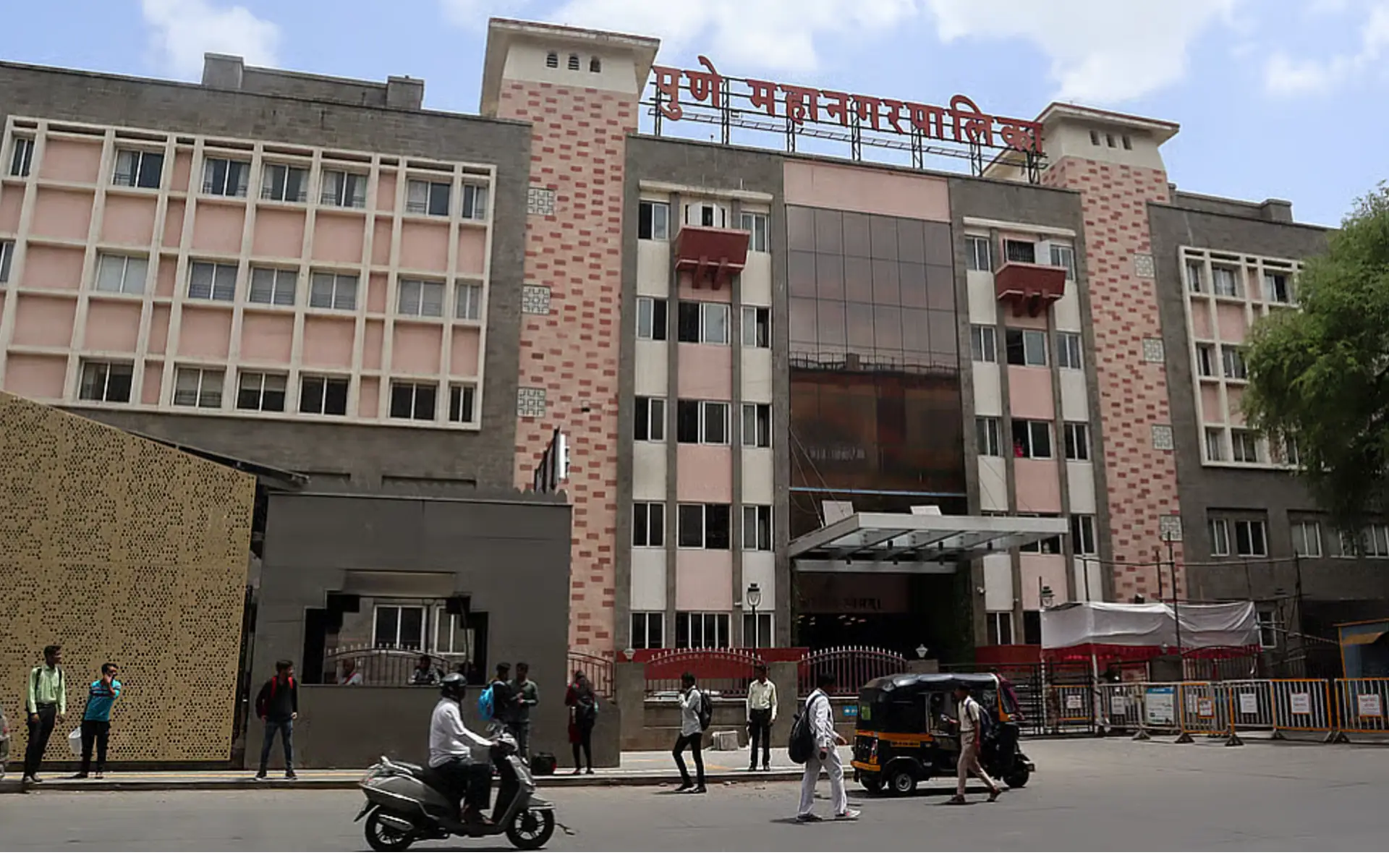
Pune’s civic administration has earmarked a substantial share of its upcoming municipal budget to upgrade infrastructure across peripheral settlements absorbed into the city over the past decade. The allocation signals a shift toward integrated urban planning as the city attempts to bridge long-standing service gaps in these areas while managing rapid real estate growth across the metropolitan fringe. The proposed spending forms part of the civic body’s draft financial plan for the 2026–27 fiscal year.
Officials involved in the budget preparation indicated that nearly ₹954 crore has been reserved specifically for infrastructure expansion in areas incorporated into municipal limits during earlier administrative reorganisations. These Pune merged villages development initiatives are aimed at addressing deficits in core urban services such as drainage, water supply, sewage networks and road infrastructure. The targeted investment also reflects growing pressure from residents and newly elected representatives from these zones, who have repeatedly highlighted the lack of civic amenities despite rising urbanisation.
Urban planners say these peripheral settlements represent one of the most complex challenges facing expanding Indian cities. Once governed under rural administrative systems, such areas often experience a surge in construction activity soon after being integrated into municipal jurisdictions. However, infrastructure delivery frequently lags behind real estate growth. Municipal officials indicated that a significant share of the proposed spending will focus on mobility and utility networks. Road construction and related improvements account for more than ₹100 crore, while sewerage systems across multiple localities are set to receive over ₹150 crore in funding to expand underground drainage infrastructure.
Water security remains another priority within the Pune merged villages development programme. Civic engineers confirmed that large-scale investments are planned to strengthen water supply systems, including pipeline upgrades and preparations for round-the-clock distribution networks in newly urbanised neighbourhoods. The municipal administration has also proposed pedestrian-friendly upgrades in several areas, including the construction of modern footpaths designed to improve walkability and road safety. Urban design experts note that such investments are critical in newly urbanising districts where transport infrastructure is often developed around private vehicles rather than people.
The expansion of municipal authority over these areas follows a recent administrative shift that transferred planning responsibilities fully to the city government. Previously, regional planning agencies held regulatory control in some of these locations. Urban governance specialists say the consolidation of planning authority could streamline approvals and allow more coordinated infrastructure development. Officials involved in the budgeting process emphasised that future municipal revenues are closely linked to construction activity in these expanding neighbourhoods. With increasing demand for building permissions and development charges, civic finances are expected to benefit as formal urbanisation accelerates.
At the same time, experts caution that Pune merged villages development must move beyond reactive infrastructure spending. Sustainable planning will require integrated land use strategies, improved public transport connectivity and environmentally resilient infrastructure as the city continues to grow outward. For Pune, the challenge lies in ensuring that newly incorporated communities do not remain urban in name alone. As infrastructure projects begin to roll out under the proposed budget, the success of the initiative will depend on whether these rapidly developing suburbs can evolve into well-serviced and inclusive parts of the metropolitan landscape.
Pune Budget Push Targets Merged Villages Infrastructure