HomeConstructionIndia Construction Waste Crisis Demands Early Action

India Construction Waste Crisis Demands Early Action

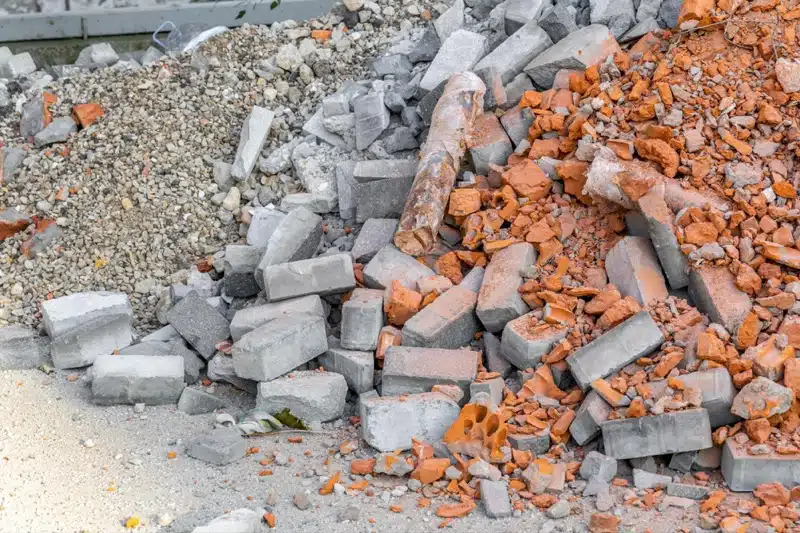
As India accelerates infrastructure delivery and urban expansion,experts are calling for a fundamental shift in how the construction industry addresses material waste.

The issue has gained urgency as cities grapple with rising volumes of construction and demolition material generated by housing projects, commercial developments and public infrastructure works. While recycling and disposal systems remain important, industry observers suggest that reducing waste before materials reach a construction site could deliver far greater environmental and economic benefits.At the centre of the discussion is construction waste management, an area receiving growing attention from policymakers, developers and urban authorities. Studies have consistently shown that significant quantities of building materials are lost due to inaccurate estimates, design changes, inefficient procurement practices and poor coordination among project stakeholders. These losses not only increase costs but also place additional pressure on natural resources and waste-handling systems.Urban planners note that construction waste has become a critical challenge for rapidly growing cities. Landfills in many urban regions are already under strain, while illegal dumping of debris can obstruct drainage systems, damage ecosystems and create public health concerns. Addressing the problem earlier in the project lifecycle could help reduce these pressures while improving overall project efficiency.

Experts emphasise that effective construction waste management begins with better planning. Digital design tools,Building Information Modelling (BIM), precise material forecasting and modular construction techniques are increasingly being used to minimise excess procurement and reduce avoidable waste. Such approaches allow developers to optimise resource use before physical construction begins.The economic case is equally compelling. Material losses directly affect project budgets and can contribute to cost overruns in both private developments and publicly funded infrastructure projects. More efficient resource utilisation can improve project economics while reducing the environmental footprint associated with extraction, transportation and manufacturing of construction materials.Environmental specialists argue that waste prevention should become a core element of climate-resilient urban development. The production of cement, steel, bricks and other construction materials is resource intensive and contributes significantly to greenhouse gas emissions. Reducing unnecessary consumption therefore offers an opportunity to lower embodied carbon across the built environment.

The challenge extends beyond individual projects. Industry experts believe regulatory frameworks, procurement standards and building guidelines may increasingly encourage waste reduction targets alongside existing sustainability requirements. Greater accountability throughout supply chains could help accelerate adoption of resource-efficient construction practices.For citizens, the benefits are tangible.Reduced construction waste can lower pressure on municipal infrastructure, improve urban cleanliness and support more efficient use of public resources. Better project planning can also contribute to cost effective housing and infrastructure delivery.As India continues one of the world’s largest urban development programmes, the debate is shifting from how waste is managed after construction to how it can be prevented altogether. The success of future infrastructure and housing initiatives may depend not only on what is built, but on how responsibly resources are used throughout the building process.

Also Read : India Decarbonisation Efforts Shift Toward Implementation
India Construction Waste Crisis Demands Early Action
RELATED ARTICLES

LEAVE A REPLY

Please enter your comment!
Please enter your name here

- Advertisment -spot_img

Most Popular

Recent Comments

Western India Housing Venture Signals Expansion

Western India Housing Venture Signals Expansion

A new real estate joint venture with a planned development pipeline valued at around ₹5,000 crore signals growing investor confidence in India's organised property...
Pune Residential Growth Shifts Across Corridors

Pune Residential Growth Shifts Across Corridors

The Western Pune micro markets are entering a new phase of residential expansion as housing demand extends beyond established neighbourhoods into emerging urban corridors....
Noida Flexible Workspace Expands Commercial Capacity

Noida Flexible Workspace Expands Commercial Capacity

A major Noida flexible workspace expansion in the National Capital Region is reinforcing the city's emergence as one of India's fastest-growing commercial office destinations....
Bengaluru Office Leasing Reflects Technology Expansion

Bengaluru Office Leasing Reflects Technology Expansion

A fresh Bengaluru office leasing transaction involving nearly 27,000 square feet of Grade A workspace has reinforced the city's continued strength as India's leading...
Assam Hospitality Expansion Reaches Jorhat Corridor

Assam Hospitality Expansion Reaches Jorhat Corridor

A new Jorhat hotel project planned in Assam is set to expand the organised hospitality footprint in the state's Upper Assam region, reflecting growing...