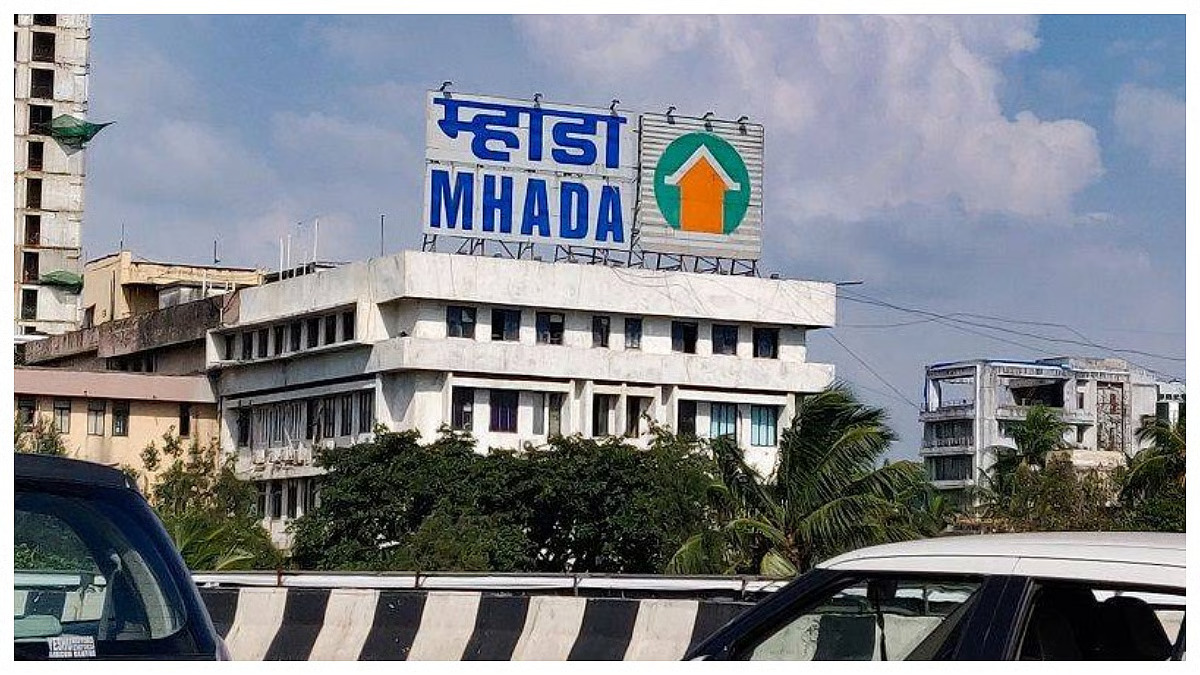
Maharashtra Housing and Area Development Authority is preparing to roll out its much-anticipated MHADA Lottery 2026, offering around 2,500 homes across Mumbai. Expected within the coming days, the draw is likely to reintroduce a key affordable housing mechanism in a city where ownership remains out of reach for a large section of residents.
The MHADA Lottery 2026 assumes significance after a pause in the annual Mumbai draw last year, and comes at a time when housing affordability continues to be a structural concern. With residential prices remaining elevated and supply skewed towards premium segments, such state-led allocation systems provide an alternative pathway for first-time buyers across income groups. Officials indicate that the upcoming inventory will be distributed across multiple locations in the city, covering a mix of categories including economically weaker sections (EWS), lower-income groups (LIG), middle-income groups (MIG), and high-income groups (HIG). This multi-tier allocation model is designed to maintain inclusivity while ensuring that housing access is not restricted to a single demographic segment.
The MHADA Lottery 2026 also reflects the evolving role of public agencies in stabilising urban housing markets. By releasing ready or near-complete housing stock through a transparent, computerised draw system, authorities are attempting to reduce speculative pressures often seen in open-market transactions. Urban planners note that such systems can help moderate pricing expectations in select micro-markets, particularly when supported by adequate infrastructure. Eligibility thresholds tied to annual household income remain central to the scheme’s design. These income-linked brackets aim to align housing supply with affordability bands, although experts argue that rising construction costs and land values continue to challenge the viability of truly low-cost urban housing in Mumbai.
Beyond affordability, the geographic spread of homes under the MHADA Lottery 2026 will play a critical role in determining its long-term impact. Connectivity, access to public transport, and proximity to employment hubs are increasingly seen as decisive factors for buyers. In a city defined by long commute times, the success of such housing schemes is often linked to how well they integrate with broader urban mobility networks. Data from state economic assessments shows that MHADA has delivered over five lakh housing units since its inception, underscoring its role as a key institutional player in Maharashtra’s housing ecosystem. However, demand continues to outstrip supply, particularly in Mumbai, where land scarcity and regulatory constraints limit large-scale affordable housing expansion.
The upcoming MHADA Lottery 2026 is therefore not just a housing allocation exercise, but part of a wider effort to rebalance urban growth. As Mumbai continues to densify, policy-led housing interventions will remain critical in ensuring that the city’s development remains inclusive, accessible, and aligned with long-term sustainability goals.
MHADA Lottery 2026 To Offer 2500 Homes