
HomeLatestIndia Coal Output Strategy Responds To Global Uncertainty

India Coal Output Strategy Responds To Global Uncertainty

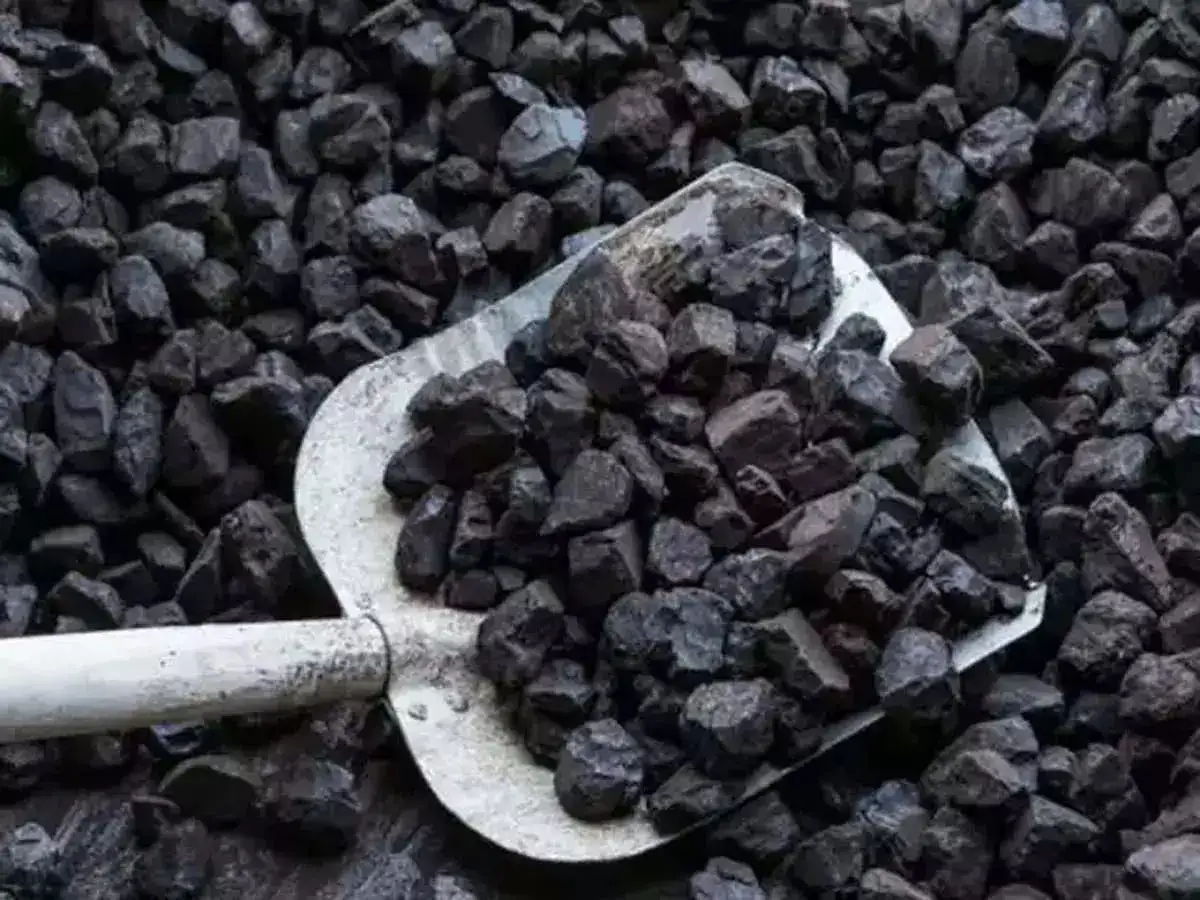
India is accelerating domestic coal production as global energy uncertainties—particularly linked to disruptions in West Asia—reshape fuel security strategies and reinforce the country’s reliance on locally available resources.The government’s push to increase output comes at a time when volatility in global energy markets, especially liquefied natural gas (LNG), has raised concerns over supply reliability. Disruptions in West Asian shipping routes have driven up gas prices and constrained availability, prompting countries across Asia to reassess their dependence on imported fuels. 

Against this backdrop, India’s coal strategy is emerging as a stabilising force. The country has built substantial coal reserves and continues to scale up production to meet rising electricity demand, particularly during peak summer months. Coal remains central to India’s energy mix, contributing roughly three-quarters of total power generation and acting as a buffer against external supply shocks. The India coal output push reflects a broader shift towards energy self-reliance. By strengthening domestic production, policymakers aim to reduce exposure to global price fluctuations and geopolitical disruptions. This is especially critical for sectors such as power, cement, and steel, which underpin urban infrastructure and industrial growth.Urban development experts note that reliable energy supply is fundamental to sustaining city expansion. Infrastructure projects, metro systems, and large-scale housing developments depend heavily on uninterrupted power, much of which continues to be generated from coal-based plants. In this context, ensuring consistent coal availability becomes directly linked to construction timelines and economic activity.

The India coal output push also highlights the tension between energy security and sustainability goals. While coal provides a dependable and cost-effective source of power, it remains a major contributor to emissions. India is simultaneously expanding its renewable energy capacity, but experts point out that renewables alone are not yet sufficient to meet base-load demand, particularly during periods of peak consumption.Globally, the current energy disruption has triggered a renewed shift towards coal in several Asian economies, as high LNG prices make alternative fuels less viable in the short term. This trend reinforces coal’s role as a fallback energy source, even as long-term transitions towards cleaner energy continue.At the same time, India’s approach is evolving beyond simply increasing output. Efforts are underway to improve mining efficiency, streamline logistics, and optimise coal distribution to power plants. These measures aim to ensure that higher production translates into reliable and timely supply across regions.From a policy perspective, the focus is increasingly on balancing immediate energy needs with long-term climate commitments. Enhancing efficiency in coal usage, investing in cleaner technologies, and integrating renewable energy into the grid are seen as parallel priorities.

Looking ahead, the trajectory of India’s energy sector will depend on how effectively it manages this dual transition. As global uncertainties persist, the emphasis on domestic coal production is likely to remain strong. However, the challenge will be to align this strategy with the broader goal of building resilient, low-carbon urban systems that can support sustainable growth over the coming decades.

Also Read: Odisha Coal Ban Disrupts Urban Food Economy

India Coal Output Strategy Responds To Global Uncertainty
RELATED ARTICLES

LEAVE A REPLY

Please enter your comment!
Please enter your name here

- Advertisment -spot_img

Most Popular

Recent Comments

Ganga Expressway reshapes housing markets in UP

Ganga Expressway reshapes housing markets in UP

The launch of the Ganga Expressway is expected to redraw real estate dynamics across Uttar Pradesh, as improved connectivity between the National Capital Region...
Panchkula housing demand reshapes NCR growth map

Panchkula housing demand reshapes NCR growth map

A growing shift in North India’s housing market is positioning Panchkula as an emerging alternative to traditional NCR real estate hubs, driven by rising...
Mumbai real estate event spotlights channel partner role

Mumbai real estate event spotlights channel partner role

A new real estate exhibition model focused exclusively on intermediaries is set to debut in Mumbai, as CREDAI-MCHIprepares to host a dedicated property expo...
Kajaria Tiles campaign reflects evolving housing demand

Kajaria Tiles campaign reflects evolving housing demand

A recent advertising campaign by Kajaria Ceramics Limited has drawn strong consumer engagement, reflecting shifting aspirations in India’s housing and interior design market. The...
Jindal Steel results reflect infrastructure demand trends

Jindal Steel results reflect infrastructure demand trends

Jindal Steel & Power Limited has reported a consolidated net profit of ₹1,044.75 crore for the March 2026 quarter, reflecting sustained demand from infrastructure...