HomeMarket AnalysisHyderabadHyderabad North Real Estate Hotspots Expand Rapidly

Hyderabad North Real Estate Hotspots Expand Rapidly

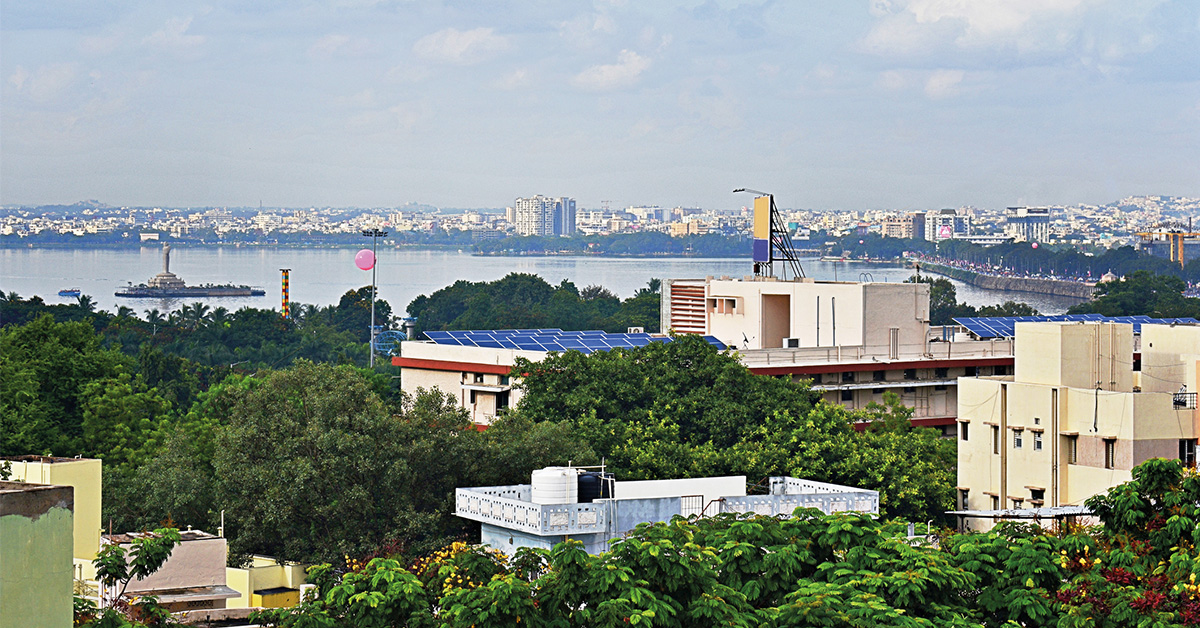
Hyderabad’s northern corridor is undergoing a structural shift as multiple neighbourhoods evolve into self-sustaining urban clusters, driven by expanding road networks, rising housing demand, and a push towards decentralised city growth. This transition is reshaping the Hyderabad North real estate market, with implications for mobility, infrastructure planning, and environmental sustainability.

Once considered peripheral, several localities along the Outer Ring Road and national highways are witnessing steady residential and mixed-use development. Urban planners note that this pattern reflects a broader move away from a single central business district towards distributed growth nodes. For residents, this translates into shorter commute possibilities, but also raises concerns about whether infrastructure and public services are keeping pace. Neighbourhoods such as Kompally and Pragathi Nagar illustrate the emergence of relatively balanced micro-markets, where housing, education, healthcare, and retail coexist. These areas are increasingly attracting families seeking a combination of affordability and liveability. However, experts caution that traffic bottlenecks and inconsistent civic upgrades could undermine long-term sustainability if not addressed early.

In contrast, high-density zones like Kukatpally continue to thrive due to established connectivity and proximity to employment hubs. Yet, congestion, pressure on public utilities, and declining air quality remain persistent challenges. Urban mobility specialists suggest that without robust public transport expansion and last-mile connectivity, such areas risk becoming overburdened. Emerging residential belts like Bachupally and Nizampet highlight another dimension of the Hyderabad North real estate story mid-income housing growth. These areas are witnessing a surge in gated communities and apartment projects, often outpacing infrastructure readiness. Narrow internal roads, limited drainage systems, and gaps in public transport underline the need for integrated planning rather than reactive expansion. Further north, Medchal and Gundlapochampally are drawing investor interest due to land availability and future growth potential.

These locations are likely to shape the next phase of urban expansion, particularly for plotted developments and large-format housing. However, environmental planners emphasise the importance of preserving green cover and water bodies as development intensifies. Meanwhile, areas such as Alwal and Bowenpally present a different urban dynamic, combining older residential layouts with ongoing commercial activity. Their strategic location ensures connectivity but also exposes them to traffic congestion and land-use conflicts, particularly where logistics and residential functions intersect. The Hyderabad North real estate trajectory reflects both opportunity and caution. While decentralised growth can ease pressure on core city zones and improve housing access, it also demands forward-looking governance. Experts argue that sustainable outcomes will depend on synchronising real estate expansion with transport systems, water management, and climate-resilient infrastructure. As Hyderabad continues to expand, the northern corridor stands at a critical juncture offering a blueprint for inclusive urban growth, provided development remains aligned with long-term environmental and civic priorities.

Also Read : Hyderabad RERA Grievance Cell Aims To Ease Disputes
Hyderabad North Real Estate Hotspots Expand Rapidly
RELATED ARTICLES

LEAVE A REPLY

Please enter your comment!
Please enter your name here

- Advertisment -spot_img

Most Popular

Recent Comments

Shree Cement Sets July Results Discussion

Shree Cement Sets July Results Discussion

Shree Cement is set to present its financial performance for the first quarter of FY27 through an investor and analyst interaction on 31 July,...
India Fertiliser Imports Reinforce National Supply Security

India Fertiliser Imports Reinforce National Supply Security

India imported more than 3.2 million tonnes of fertilisers during the first quarter of FY27, while expanding overseas sourcing arrangements to safeguard supplies ahead...
India Chemical Sector Gains Strategic Government Support

India Chemical Sector Gains Strategic Government Support

The Union Cabinet has approved a ₹3,030 crore national programme to strengthen India’s chemicals sector, aiming to boost domestic manufacturing, reduce import dependence and...
India Specialty Chemicals Drive Industrial Innovation

India Specialty Chemicals Drive Industrial Innovation

India’s specialty chemicals sector is entering a new phase of expansion driven by investments in advanced manufacturing, research and production capacity, as companies respond...
India Metal Recycling Drives Sustainable Manufacturing

India Metal Recycling Drives Sustainable Manufacturing

India’s next phase of growth in the metals sector is expected to rely increasingly on recycling rather than fresh mineral extraction, reflecting a broader...