A premium residential project in Jaipur’s southern corridor has recorded a rapid sell-out of its initial inventory, pointing to a renewed appetite for low-density, green-oriented housing in emerging urban clusters. The development, led by Mahima Group, saw all 54 units in its first phase absorbed within a short span, reflecting a broader shift in how urban buyers are evaluating residential investments.
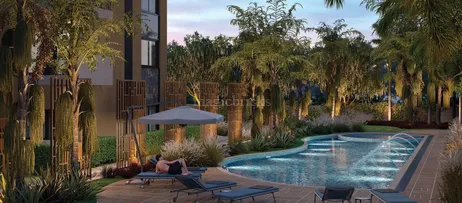
The project, located along Tonk Road, carries an estimated gross development value of ₹200 crore and is positioned within one of the city’s expanding residential belts. Industry observers note that such corridors are benefiting from improved road infrastructure and connectivity upgrades, which are increasingly influencing housing demand beyond traditional city centres. What stands out in this case is not just the pace of sales, but the nature of the offering. The Ecovista development has been designed with a significant portion of its land roughly four-fifths allocated to open and green areas. This aligns with a growing preference among urban homebuyers for breathable spaces, especially in cities experiencing rising density and environmental stress.
Urban planners highlight that Jaipur’s southern zones are undergoing a gradual transformation, with planned layouts and integrated infrastructure attracting both end-users and long-term investors. The success of Mahima Group Ecovista also signals that buyers are prioritising liveability factors such as pedestrian-friendly layouts, reduced vehicular congestion within residential premises, and access to open spaces.From a market standpoint, the quick absorption of units suggests that demand in the luxury housing segment remains resilient despite broader economic uncertainties. However, experts caution that sustained growth will depend on how effectively developers incorporate climate-responsive design and resource-efficient construction practices into future phases. The Mahima Group Ecovista project also reflects a wider trend visible across Indian cities a tilt towards developments that balance built-up space with environmental considerations. While such projects are often marketed as premium offerings, they also raise questions about accessibility and affordability for a wider demographic.
For Jaipur, the implications are twofold. On one hand, the city is witnessing a diversification of its housing market, moving beyond conventional layouts to more contemporary, sustainability-linked designs. On the other, there is an increasing need for policy frameworks that ensure such growth remains inclusive and does not exacerbate spatial inequalities. With subsequent phases of the project now underway, the focus will likely shift to whether similar demand sustains and how future supply integrates lessons around climate resilience, water management, and equitable urban expansion. As Jaipur continues to expand, projects like Mahima Group Ecovista may serve as indicators of how mid-sized cities are redefining residential development in response to changing citizen expectations.
Mahima Group Jaipur Sees Strong Ecovista Uptake