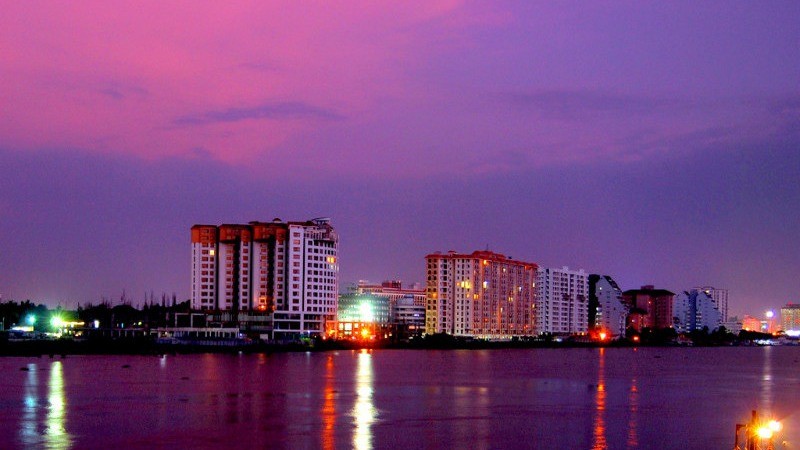
Kerala’s housing market is witnessing a renewed wave of overseas buyer interest, as geopolitical tensions in West Asia prompt non-resident Indians (NRIs) to reconsider long-term security through property ownership back home. The trend, most visible in Kochi and Thiruvananthapuram, is reshaping demand patterns and signalling a shift in how diaspora capital interacts with India’s urban housing landscape.
Developers and market observers indicate that enquiries from Gulf-based Malayalis have risen in recent weeks, particularly in the mid-income apartment segment. While not all enquiries are converting into immediate transactions, the underlying motivation is clear: families are seeking residential fallback options in a more stable domestic environment. This resurgence of Kerala NRI home demand reflects a broader recalibration of financial priorities during periods of uncertainty. Urban planners note that this demand is not limited to traditional hotspots. While established urban centres such as Kochi continue to dominate buyer interest due to infrastructure access and employment hubs, peripheral towns are also entering the conversation. This emerging curiosity about smaller municipalities suggests a gradual decentralisation of real estate demand, which could influence future land use planning and infrastructure provisioning across the state.
However, the shift is not uniform across asset classes. In less urbanised regions, prospective buyers appear more inclined towards land acquisition rather than completed housing units. This divergence highlights the continuing gap in planned, serviced housing supply outside major cities an issue that urban policymakers may need to address to ensure balanced regional development.At the same time, rising construction costs are altering buyer behaviour. Industry estimates suggest that material prices have increased significantly in recent months, discouraging individual homebuilding. As a result, more buyers are gravitating towards developer-led apartment projects, where cost volatility is absorbed at scale. This transition could accelerate the formalisation of housing markets, but also raises questions about affordability and inclusivity in the long run. From a sustainability perspective, the growing preference for apartments over standalone homes presents both opportunities and challenges. High-density housing, if planned responsibly, can reduce urban sprawl and improve resource efficiency.
Yet, experts caution that rapid demand without corresponding investments in green infrastructure, water management, and public transport could strain already sensitive urban ecosystems in Kerala.The evolving Kerala NRI home demand trend also underscores a deeper behavioural shift among overseas Indians. Instead of concentrating investments in Gulf economies, many are now diversifying into domestic real estate while opting to rent abroad. This reversal has implications for capital flows, local housing supply, and long-term urban resilience. As global uncertainties persist, Kerala’s policymakers and developers face a critical moment: to channel this renewed interest into sustainable, inclusive growth that strengthens both housing security and urban liveability.
Kochi Real Estate Gains From NRI Shift