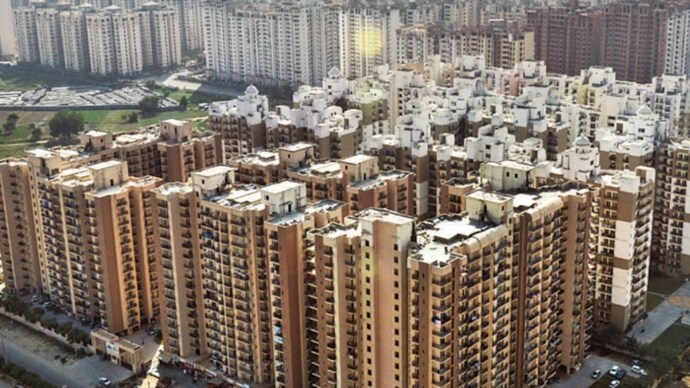
A consumer commission in Ghaziabad has directed two property developers to return funds with interest to a homebuyer after a housing project remained incomplete for over a decade, highlighting persistent accountability gaps in India’s residential real estate sector. The ruling underscores the growing reliance on consumer courts for relief in delayed housing cases and raises broader concerns about financial security for buyers in unregulated or stalled developments.
The dispute traces back to payments made between 2006 and 2008 for a residential unit that was never delivered. Over the years, the buyer was persuaded to shift the investment into another project under a different developer, with assurances of adjustment and eventual possession. Despite additional payments and revised timelines, the project failed to materialise, leaving the buyer without either a home or a refund. In its order, the commission apportioned liability between the two firms involved, directing them to repay a combined ₹7 lakh along with 6% annual simple interest. The ruling also imposed modest penalties and set a 30-day compliance deadline. The decision was delivered after the developers did not respond to notices, leading to an ex parte hearing based on available documentation.
For urban housing markets, the Ghaziabad flat delay refund case reflects a familiar pattern prolonged project timelines, shifting commitments, and weak enforcement of delivery obligations. Industry observers note that such disputes continue to surface despite regulatory frameworks like the Real Estate (Regulation and Development) Act (RERA), which was introduced to improve transparency and protect buyers. Urban planners point out that delayed housing projects have wider implications beyond individual financial loss. Stalled developments contribute to inefficient land use, locked capital, and increased pressure on already strained urban infrastructure. In rapidly expanding regions such as the National Capital Region, incomplete projects can also disrupt planned density, transport linkages, and service delivery systems. From a sustainability perspective, incomplete or abandoned construction sites often result in material wastage and environmental degradation. Experts argue that ensuring timely project completion is not only a financial or legal issue but also a critical component of building resource-efficient and climate-resilient cities.
The Ghaziabad flat delay refund ruling reinforces the importance of due diligence for buyers, particularly in projects with complex developer arrangements or unclear delivery histories. It also signals the need for stronger enforcement mechanisms to ensure that developers adhere to timelines and financial commitments. As consumer courts continue to intervene in such cases, policymakers and regulators may need to revisit monitoring systems and compliance frameworks. Strengthening early-warning mechanisms for project delays and improving dispute resolution timelines could help restore trust in the housing market while supporting more equitable and sustainable urban growth.
Ghaziabad Homebuyer Wins Relief In Delayed Project