HomeLatestIndia Steel Expansion Faces Fuel Pressure

India Steel Expansion Faces Fuel Pressure

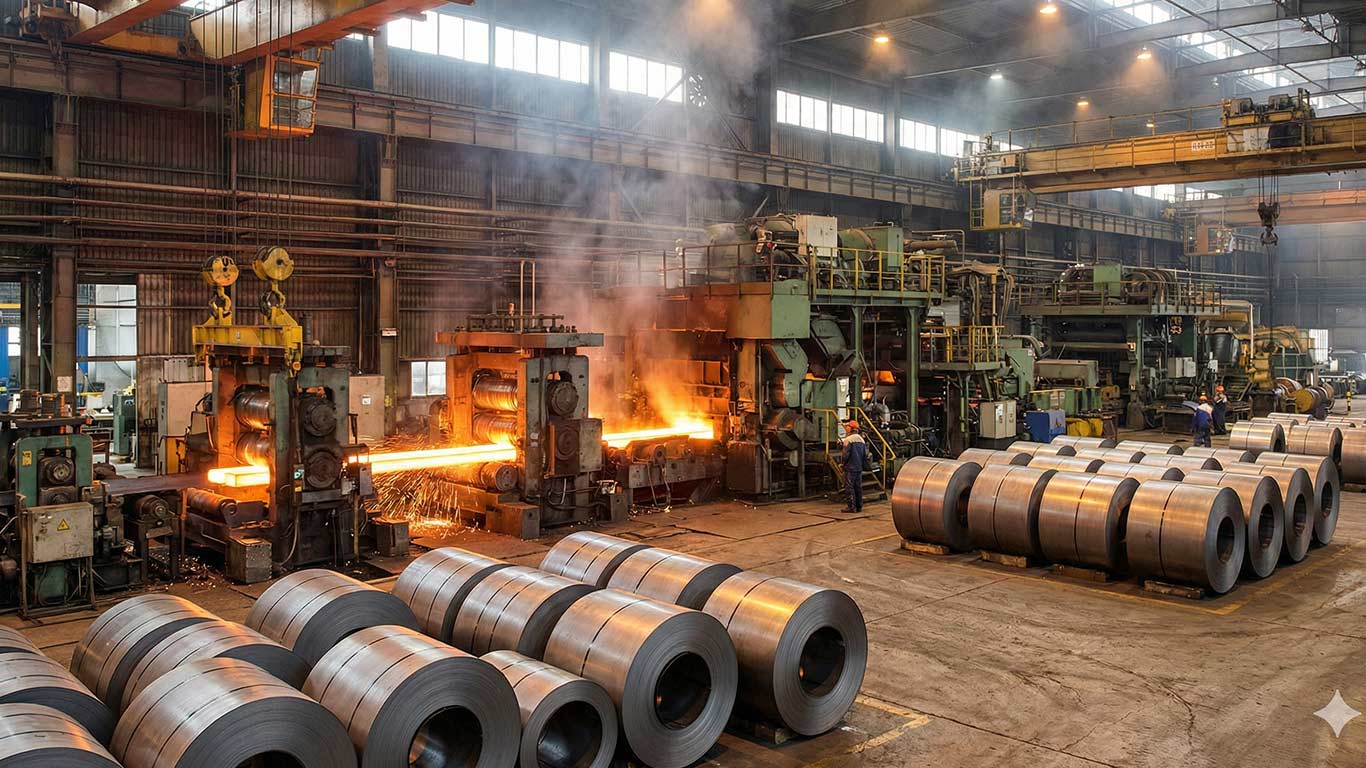
India’s steel industry could remain exposed to price shocks despite increasing purchases of US metallurgical coal, according to a new sector analysis that warns supply diversification alone may not resolve deeper energy security risks. The finding matters for India’s urban economy, where steel demand is rising sharply for housing, transport systems and large-scale infrastructure projects.

The latest assessment says Indian steelmakers have shifted part of their import basket toward the United States in recent years, reducing dependence on traditional suppliers. However, global metallurgical coal prices remain strongly influenced by Australian production, which still dominates seaborne trade. That means disruptions in one major exporting region can quickly affect prices across the wider market, regardless of origin. For India’s steel sector, the challenge is structural. The country imports around 90% of its metallurgical coal requirements while simultaneously targeting a major increase in steelmaking capacity by 2030. Much of the new capacity pipeline is tied to blast furnace technology, which depends heavily on imported coking coal. This has direct consequences for cities. Steel is a core input for metro rail lines, bridges, flood-control systems, logistics parks, renewable energy infrastructure and affordable housing. When raw material costs surge, project budgets can rise, procurement slows and contractors face tighter margins. In fast-growing urban regions, such volatility can delay delivery of essential civic assets.

Recent market movements underline the risk. Flooding in Queensland earlier this year disrupted coal operations and helped push metallurgical coal prices sharply higher, demonstrating how weather-linked events can reverberate through global industrial supply chains. Analysts say climate-related disruption is likely to become a recurring factor rather than an isolated incident. The issue also intersects with national competitiveness. Steel producers facing uncertain input costs may struggle to plan investments in cleaner technologies, plant modernisation or capacity expansion. Smaller mills can be especially vulnerable if they lack long-term supply contracts or integrated resource access.Industry observers say India’s long-term response may need to go beyond sourcing diversification. Greater use of scrap-based electric arc furnaces, expanded domestic recycling systems and gradual deployment of green hydrogen pathways could reduce imported coal dependence over time. These alternatives also align with lower-emission industrial growth.

For urban development, this transition could be significant. Cleaner and more stable steel supply chains would help support resilient construction at a time when Indian cities need new housing, climate-adaptive drainage, transit networks and power infrastructure.The immediate message for policymakers is that buying from more countries does not automatically create energy security. For India’s steel sector, true resilience may depend on how quickly it diversifies technology, not just trade routes. As infrastructure demand rises, the cost and sustainability of steel production will increasingly shape the economics of city-building.

Also Read: India Steel Growth Model Under Coal Pressure

India Steel Expansion Faces Fuel Pressure
RELATED ARTICLES

LEAVE A REPLY

Please enter your comment!
Please enter your name here

- Advertisment -spot_img

Most Popular

Recent Comments

India Construction Waste Crisis Demands Early Action

India Construction Waste Crisis Demands Early Action

As India accelerates infrastructure delivery and urban expansion,experts are calling for a fundamental shift in how the construction industry addresses material waste. The issue has...
India Construction Growth Climbs Global Rankings Fast

India Construction Growth Climbs Global Rankings Fast

India has strengthened its position as one of the world’s most influential construction markets,with its contribution to global building activity rising sharply amid sustained...
India Infrastructure Push Reshapes Future Urban Networks

India Infrastructure Push Reshapes Future Urban Networks

India is continuing to channel significant public investment into transport networks,industrial capabilities and advanced manufacturing as policymakers seek to sustain economic momentum while preparing...
KD Industries Merger Reflects Circular Economy Push

KD Industries Merger Reflects Circular Economy Push

A proposed corporate restructuring in India’s metal and manufacturing sector is drawing attention to the increasing role of sustainability led business models in industrial...
India Building Sector Adapts To Technology Shift

India Building Sector Adapts To Technology Shift

India’s construction sector is undergoing a significant structural shift as digital technologies, sustainability requirements and changing urban needs reshape how buildings and infrastructure are...