HomeLatestMumbai Real Estate Value Declines For Wealthy Buyers

Mumbai Real Estate Value Declines For Wealthy Buyers

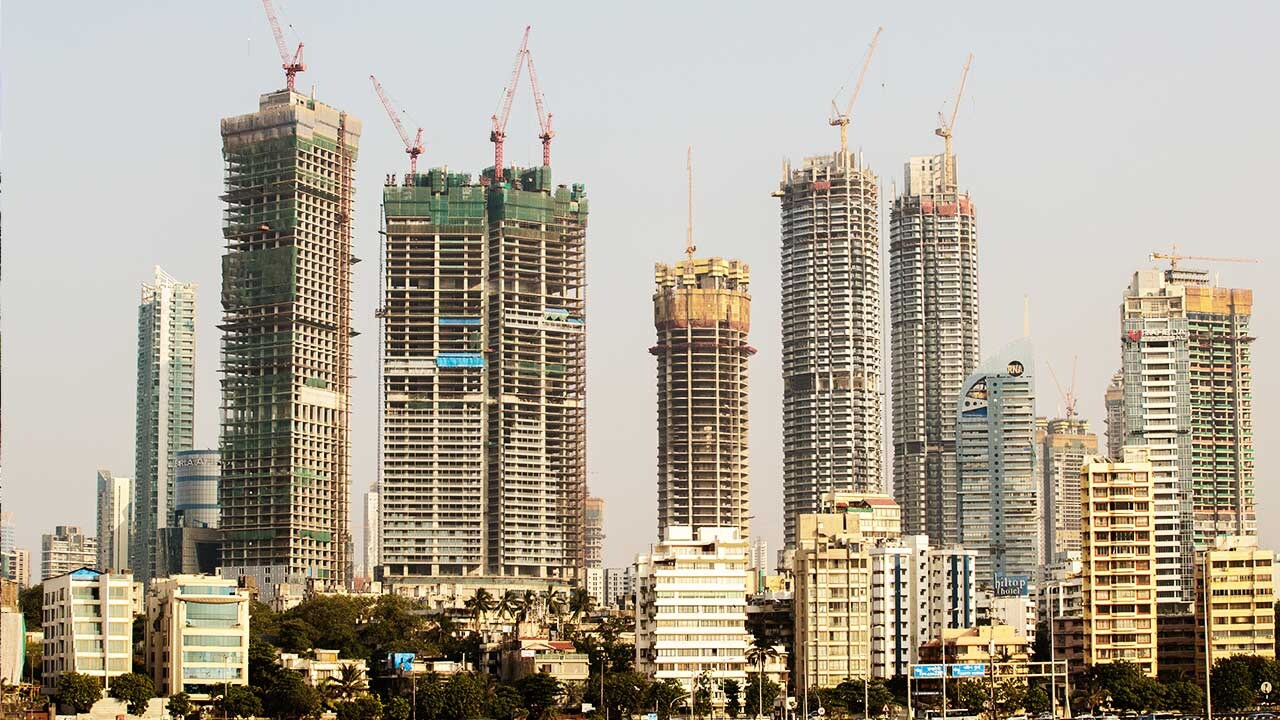
Mumbai’s premium housing market is delivering less space for the same capital outlay, signalling deepening affordability pressures even among high-net-worth buyers. Recent global property assessments indicate that a budget of roughly ₹10 crore now secures a smaller residential footprint in the city than it did five years ago, underscoring the structural constraints shaping urban land economics.

The contraction in purchasable area reflects a combination of limited land supply, stringent coastal regulations, and sustained demand from both domestic and international investors. As India’s financial capital continues to attract wealth creation across sectors such as technology and financial services, real estate demand has remained resilient, pushing up per-square-foot costs in key neighbourhoods. This dynamic has made Mumbai housing affordability an increasingly complex challenge, extending beyond middle-income households to the upper end of the market. In contrast, other metropolitan regions have shown modest improvements. Cities like Delhi and Bengaluru have seen slight increases in the residential area that similar budgets can buy, suggesting relatively more elastic land supply and different urban expansion patterns. These differences highlight how planning frameworks, infrastructure availability, and land-use policies influence pricing trajectories across India’s urban centres.

Urban planners point out that Mumbai’s geography plays a decisive role. The city’s linear coastal form restricts horizontal expansion, while redevelopment remains the primary route for adding new housing stock. However, redevelopment often prioritises high-value projects, which may not adequately address broader urban housing needs. As a result, Mumbai housing affordability continues to tighten, even as supply grows in absolute terms. The trend also aligns with a broader rise in India’s ultra-wealthy population, which has expanded significantly over recent years. Increased concentration of wealth in major cities has amplified demand for premium housing, contributing to price escalation. Yet, this growth raises questions about inclusivity and long-term sustainability in urban development. Experts argue that without diversified housing strategies, cities risk deepening spatial inequality, where access to well-located housing becomes increasingly exclusive.

Globally, while Mumbai has recorded a decline in space affordability, it has not experienced the sharpest contraction. Some international markets have seen far steeper reductions, indicating that global capital flows and speculative investments are reshaping housing markets worldwide. Nonetheless, Mumbai’s trajectory remains significant for India’s urban future, given its economic centrality. Looking ahead, the challenge for policymakers and city authorities lies in balancing growth with liveability. Expanding transit-oriented development, unlocking underutilised land, and promoting mixed-income housing could help stabilise the market. As cities pursue climate resilience and equitable expansion, addressing the pressures on housing affordability will be critical to ensuring that urban growth remains both inclusive and sustainable.

Also Read : Mumbai Pooja Dadlani Real Estate Deal Sparks Buzz
Mumbai Real Estate Value Declines For Wealthy Buyers
RELATED ARTICLES

LEAVE A REPLY

Please enter your comment!
Please enter your name here

- Advertisment -spot_img

Most Popular

Recent Comments

India Construction Waste Crisis Demands Early Action

India Construction Waste Crisis Demands Early Action

As India accelerates infrastructure delivery and urban expansion,experts are calling for a fundamental shift in how the construction industry addresses material waste. The issue has...
India Construction Growth Climbs Global Rankings Fast

India Construction Growth Climbs Global Rankings Fast

India has strengthened its position as one of the world’s most influential construction markets,with its contribution to global building activity rising sharply amid sustained...
India Infrastructure Push Reshapes Future Urban Networks

India Infrastructure Push Reshapes Future Urban Networks

India is continuing to channel significant public investment into transport networks,industrial capabilities and advanced manufacturing as policymakers seek to sustain economic momentum while preparing...
KD Industries Merger Reflects Circular Economy Push

KD Industries Merger Reflects Circular Economy Push

A proposed corporate restructuring in India’s metal and manufacturing sector is drawing attention to the increasing role of sustainability led business models in industrial...
India Building Sector Adapts To Technology Shift

India Building Sector Adapts To Technology Shift

India’s construction sector is undergoing a significant structural shift as digital technologies, sustainability requirements and changing urban needs reshape how buildings and infrastructure are...