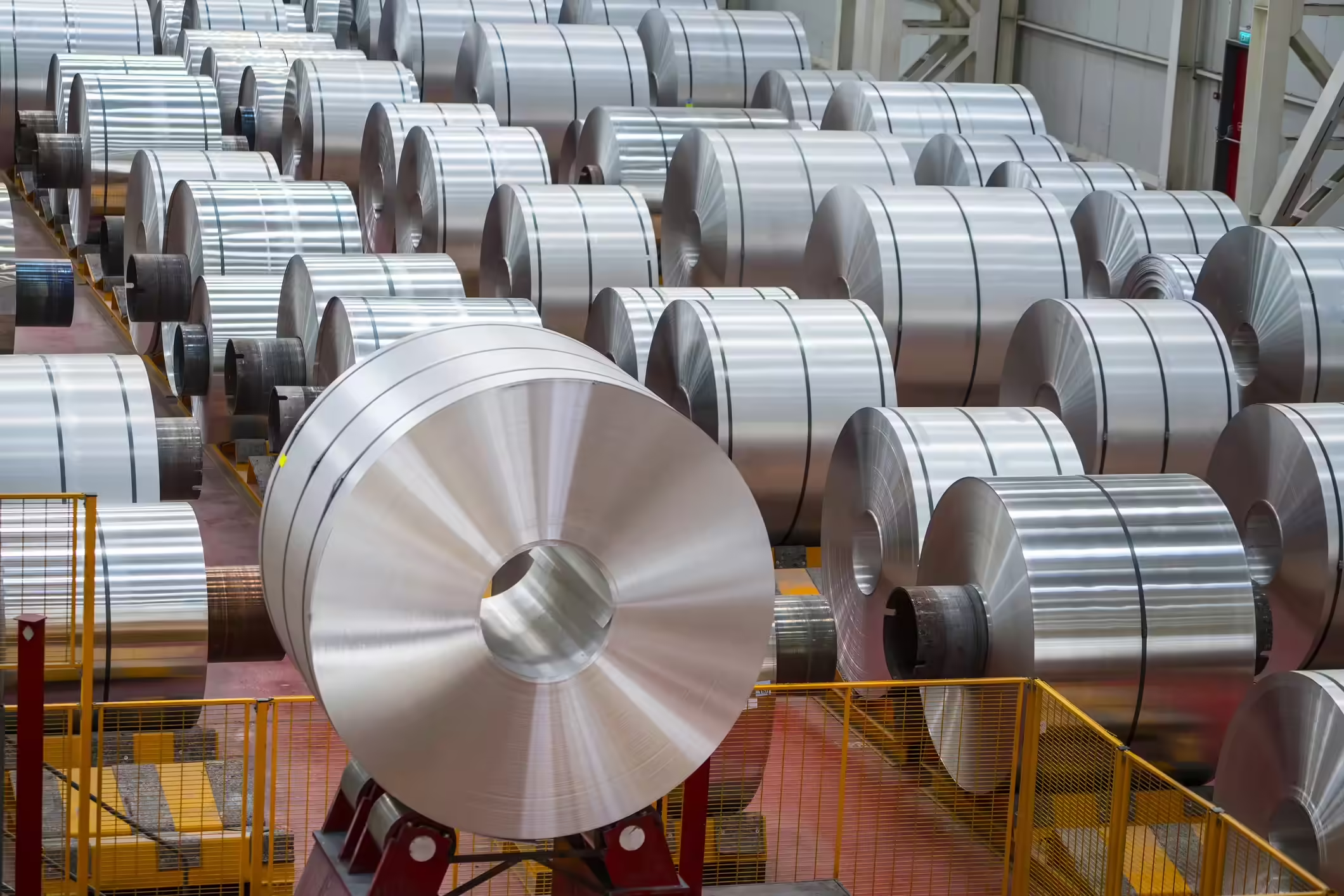
Bhilai Steel Plant Expansion Brings New Industrial Capacity
The Bhilai Steel Plant in Chhattisgarh is set for a major capacity expansion after Steel Authority of India Limited approved a plan to raise production capability to 10.2 million tonnes per annum.The move is expected to reshape one of India’s oldest steel hubs while supporting future infrastructure demand, industrial growth and regional economic activity.
The expansion of the Bhilai facility comes at a time when India’s construction, transport and urban infrastructure sectors are driving sustained demand for steel. As cities expand and public infrastructure projects accelerate, the availability of domestically produced steel will remain critical for bridges, rail networks, housing, renewable energy structures and industrial development.The proposed Bhilai Steel Plant expansion represents a broader shift in India’s manufacturing strategy, where existing industrial clusters are being modernised to meet long-term demand rather than relying only on new greenfield projects. The facility’s upgraded capacity could strengthen supply chains around central India, creating opportunities for ancillary industries, logistics networks and skilled employment.
Industry experts note that increasing steel output will also bring greater responsibility around resource efficiency and environmental management. Steel manufacturing remains among the most carbon-intensive industrial activities, requiring investments in cleaner technologies, energy efficiency, waste reduction and renewable power integration. The success of such expansions will increasingly depend not only on production volumes but also on their ability to align with India’s climate commitments.The Bhilai Steel Plant expansion is expected to have wider implications for the urban economy. Steel is a foundational material for affordable housing, mobility infrastructure and resilient urban systems. However, planners emphasise that industrial growth must be balanced with community needs, including environmental safeguards, local employment opportunities and responsible land and resource use.A senior industry official said that modern steel capacity will play an important role in supporting India’s infrastructure ambitions, but future competitiveness will depend on technological upgrades and sustainable manufacturing practices. The sector is facing growing pressure globally to reduce emissions while maintaining production efficiency.
The Bhilai Steel Plant expansion also highlights the changing geography of industrial development in India. Traditional manufacturing centres are being repositioned as strategic nodes for economic growth, with better connectivity and stronger integration with emerging infrastructure corridors.As implementation progresses, attention will remain on how the expansion manages environmental impacts, energy consumption and community outcomes. The next phase of industrial growth will be measured not only by additional tonnes of steel produced but by how effectively manufacturing centres contribute to cleaner, more resilient and inclusive urban development.