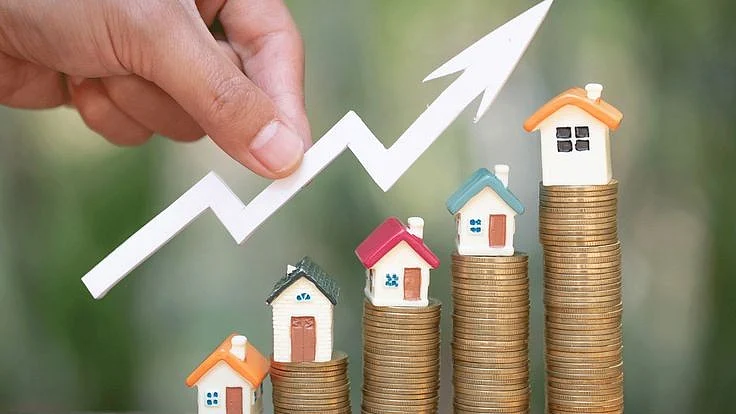
Residential activity in Kolkata registered a measured uptick in early 2026, with housing sales rising modestly even as several major Indian cities reported a slowdown. The performance underscores the city’s relatively stable demand base, driven by affordability and expanding suburban corridors, at a time when broader market sentiment remains cautious.
Data for the January–March quarter shows that approximately 4,000 homes were sold, reflecting a 5% annual increase. This comes in contrast to an overall contraction across leading metropolitan markets, suggesting that Kolkata housing sales continue to benefit from end-user demand rather than speculative investment. New supply additions remained calibrated, with around 3,400 units entering the market during the quarter. Analysts note that this restrained pace of launches has helped maintain price discipline while preventing excessive inventory build-up an issue that has historically weighed on the city’s real estate cycle.
Average residential prices edged up by about 3% year-on-year, indicating gradual appreciation rather than sharp spikes. While this trend supports developer margins, it also keeps homeownership within reach for a large segment of buyers. Urban planners highlight that such incremental growth is more sustainable for cities like Kolkata, where income levels and infrastructure expansion evolve steadily. A notable shift is visible in inventory levels. Unsold stock declined by roughly 7% compared to the previous year, improving the absorption rate to just over four quarters. This metric, often used to assess market health, suggests that supply is increasingly aligned with actual demand an encouraging sign for long-term urban stability.
In terms of buyer preferences, lower and mid-income housing continues to dominate. Homes priced under ₹1 crore account for nearly three-quarters of all transactions, reinforcing the city’s affordability-led growth model. However, there is also emerging traction in higher-value segments, albeit from a smaller base, pointing to a gradual diversification of demand. Geographically, southern and eastern suburban zones remain key growth drivers. Improved metro connectivity, evolving social infrastructure, and relatively lower land costs have made these areas attractive to first-time buyers and upwardly mobile households. Industry observers point out that such decentralised development can ease pressure on the urban core, provided it is matched with adequate transport and civic amenities.
From a sustainability lens, the current trajectory presents both opportunities and challenges. While controlled price growth and reduced inventory indicate a balanced market, the expansion into peripheral areas raises concerns around urban sprawl, mobility emissions, and infrastructure readiness. Experts emphasise the need for transit-oriented development and energy-efficient housing to ensure that Kolkata housing sales translate into long-term urban resilience. Looking ahead, the city’s housing sector appears poised for steady, if unspectacular, growth. The focus will likely remain on affordability, infrastructure integration, and responsible land use factors that will determine whether this resilience can be sustained in an increasingly climate-conscious urban future.
Kolkata Real Estate Sees Modest Price Rise