HomeLatestMumbai Real Estate Cycle Tilts Toward Affordable Housing

Mumbai Real Estate Cycle Tilts Toward Affordable Housing

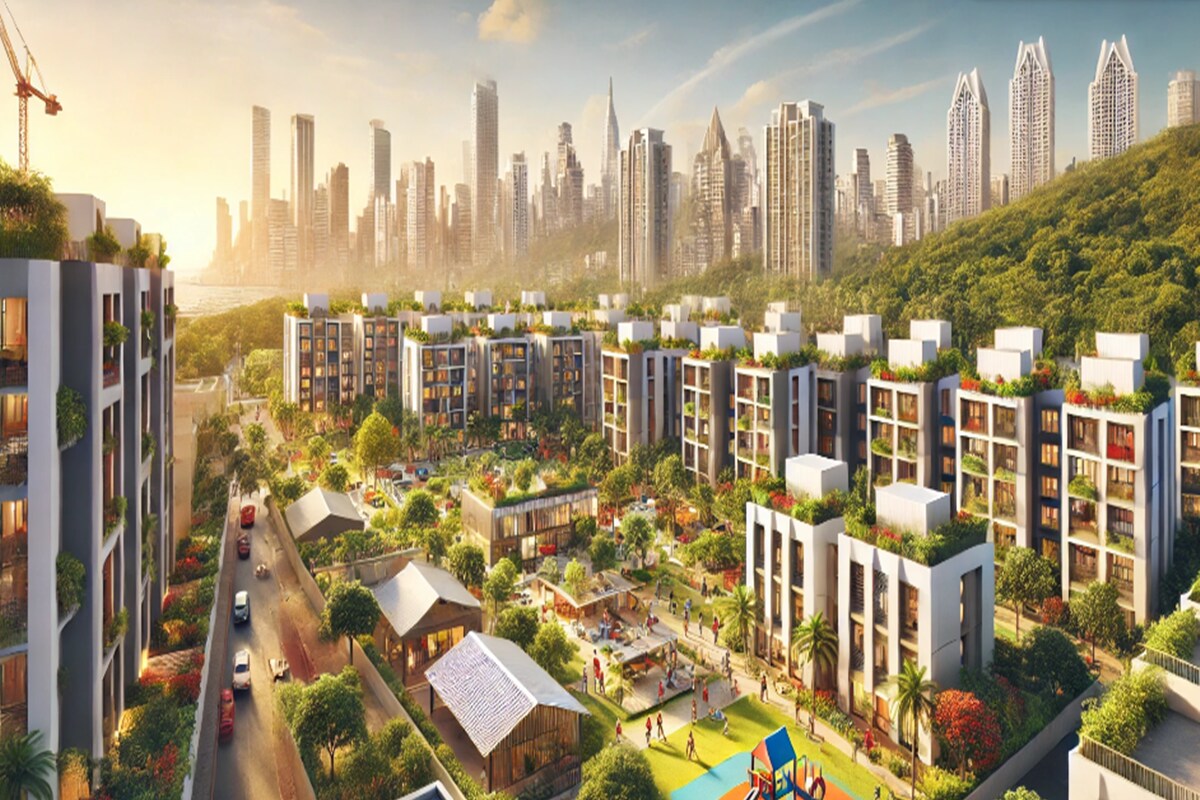
A visible shift is emerging in Mumbai’s housing market, where developers who once prioritised larger luxury apartments are beginning to confront weakening demand and growing affordability concerns. The recalibration of the Mumbai housing market could have significant implications for middle-income households long priced out of the city’s formal housing supply.

Over the past few years, residential launches have skewed heavily towards larger configurations such as 2BHK, 3BHK, and premium units. This trend was partly driven by post-pandemic lifestyle changes, as homebuyers sought additional space for remote work and improved living standards. At the same time, developers found larger apartments more commercially viable due to higher margins per unit. However, industry observers now indicate that the Mumbai housing market may be entering a corrective phase. Slowing sales velocity in the premium segment, coupled with rising property prices, is exposing a mismatch between supply and actual purchasing capacity. With average ticket sizes for new apartments climbing to levels unaffordable for a majority of urban residents, demand appears increasingly constrained.

Urban planners note that the decline in smaller housing formats traditionally the entry point for first-time buyers has deepened the city’s housing imbalance. Compact units, especially 1BHK homes, have seen a steep reduction in new supply, limiting options for young professionals, nuclear families, and migrant workers who form the backbone of Mumbai’s economy. This imbalance is also reshaping the city’s spatial growth. Affordable housing options are being pushed further towards peripheral regions such as Thane, Mira Road, and extended suburban corridors. While these areas offer relatively lower price points, they often lack robust public transport, social infrastructure, and employment proximity raising concerns around increased commute times, carbon emissions, and reduced quality of life.Experts caution that the current trajectory is unsustainable. A housing ecosystem that disproportionately caters to high-income segments risks undermining economic inclusivity and urban resilience.

Without adequate supply in the affordable and mid-income categories, cities like Mumbai may witness greater informal housing expansion, overcrowding, and infrastructure strain. There are also broader environmental implications. Larger homes typically carry higher material and energy footprints, which runs counter to the goals of low-carbon urban development. A balanced mix of housing typologies aligned with efficient land use and public transport networks is essential for building climate-resilient cities.As market conditions soften, developers may be compelled to reassess their strategies. A renewed focus on compact, well-designed housing could not only revive demand but also support more equitable urban growth. Policy interventions, including incentives for affordable housing and streamlined approvals, could further accelerate this transition. For now, the evolving Mumbai housing market reflects a critical inflection point. Whether it leads to a more inclusive and sustainable housing landscape will depend on how quickly stakeholders adapt to the realities of urban affordability and changing demand patterns.

Also Read : Mumbai Luxury Deal Highlights Heritage Housing Pressures
Mumbai Real Estate Cycle Tilts Toward Affordable Housing
RELATED ARTICLES

LEAVE A REPLY

Please enter your comment!
Please enter your name here

- Advertisment -spot_img

Most Popular

Recent Comments

Vedanta Aluminium Output Hits Record as Restructuring Nears

Vedanta Aluminium Output Hits Record as Restructuring Nears

Vedanta closed FY26 with record aluminium and alumina production, strengthening its position in a metals market closely tied to India’s infrastructure, power and transport...

India Steel Consumption Signals Wider Urban Growth

India Steel Consumption Signals Wider Urban Growth

India’s steel consumption has nearly doubled over the past decade, reaching about 152 million tonnes in 2024-25 from 77 million tonnes in 2014-15. The...

Pune GCC Demand Reshapes Commercial Office Market

Pune GCC Demand Reshapes Commercial Office Market

Pune’s office market is increasingly being shaped by Global Capability Centres (GCCs), with multinational firms using the city for technology, engineering, financial and specialised...

Hyderabad Brigade Barcelona RERA Shapes Kokapet Housing

Hyderabad Brigade Barcelona RERA Shapes Kokapet Housing

Hyderabad’s western growth corridor is seeing another large residential addition as Brigade Barcelona, a luxury housing project in Kokapet’s Neopolis, moves ahead with Telangana...
Chandigarh RERA Enters Focus as Prime Homes Near Crores

Chandigarh RERA Enters Focus as Prime Homes Near Crores

Chandigarh’s prime residential market is entering a new price bracket, with registered transactions showing that well-located plots in established sectors can command tens of...