HomeLatestMYK LATICRETE Campaign Questions Cement Dependence

MYK LATICRETE Campaign Questions Cement Dependence

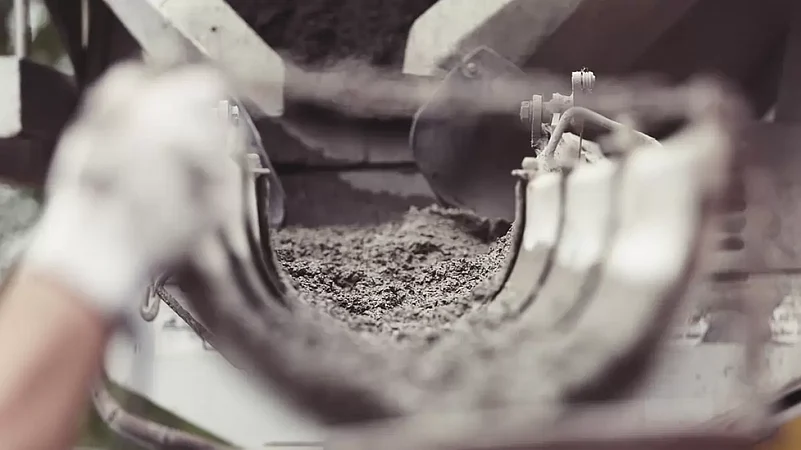
MYK LATICRETE has launched a nationwide outdoor advertising campaign challenging the continued use of traditional cement-based tile fixing methods, drawing attention to how India’s construction sector is slowly reassessing material choices in housing and commercial buildings.The campaign contrasts cement-sand tile installation with specialised adhesives, seeking to influence homeowners, contractors and architects at a time when renovation demand and urban housing upgrades are rising. While framed as a marketing initiative, the move reflects a wider industry trend: conventional cement is no longer the automatic choice for every stage of construction. 

For decades, cement has dominated tile installation across India because of familiarity, availability and lower upfront cost perception. Yet building experts say many urban households face issues such as hollow tiles, cracks, water seepage and uneven finishes when older installation practices are poorly executed. As cities densify and apartment living increases, durability and maintenance costs are becoming more important than initial material savings.That shift matters for the broader cement demand India story. Cement remains indispensable for foundations, structural frames, roads, bridges and public infrastructure. However, in finishing segments such as tiles, blocks, waterproofing and repair materials, newer alternatives are beginning to reduce dependency on plain cement mixes.MYK LATICRETE’s campaign places this debate in public view rather than trade counters, using billboards and urban media to simplify technical comparisons between adhesives and cement-based methods. The company has also recently used in-store digital demonstrations to show installation differences to consumers. 

Urban planners note that better installation materials can support more sustainable buildings by extending tile life, lowering breakage and reducing repeat repairs. Frequent rework generates construction waste, dust and additional transport emissions. If materials last longer, lifecycle environmental costs can fall even when purchase prices are higher.The trend also intersects with labour productivity. Ready-to-use adhesives and modern fixing systems can reduce curing time and improve consistency, which matters in fast-moving housing markets where delays increase project costs. Builders in major metros increasingly prioritise speed, especially in renovation projects where residents remain on-site during works.Still, cement’s role is far from diminished. India’s rapid urbanisation, public works spending and industrial expansion continue to support robust structural cement consumption. What may change is where and how cement is used. Analysts suggest future growth in cement demand India could come more from infrastructure and core construction, while specialised products gain share in finishing and maintenance segments.There is also a consumer awareness challenge. Many households continue to choose materials through contractor habit rather than product performance, often without understanding long-term maintenance implications. Campaigns such as this indicate that building materials companies now see end-users, not just dealers, as decision-makers.

The bigger urban question is whether India’s construction market can shift from cheapest upfront choices to smarter lifecycle economics. If that happens, cement will remain central to nation-building, but increasingly alongside newer materials designed for resilient, efficient and lower-waste cities.

Also Read: Ambujanagar Ambuja Cements Youth Skills Push

MYK LATICRETE Campaign Questions Cement Dependence
RELATED ARTICLES

LEAVE A REPLY

Please enter your comment!
Please enter your name here

- Advertisment -spot_img

Most Popular

Recent Comments

India Construction Waste Crisis Demands Early Action

India Construction Waste Crisis Demands Early Action

As India accelerates infrastructure delivery and urban expansion,experts are calling for a fundamental shift in how the construction industry addresses material waste. The issue has...
India Construction Growth Climbs Global Rankings Fast

India Construction Growth Climbs Global Rankings Fast

India has strengthened its position as one of the world’s most influential construction markets,with its contribution to global building activity rising sharply amid sustained...
India Infrastructure Push Reshapes Future Urban Networks

India Infrastructure Push Reshapes Future Urban Networks

India is continuing to channel significant public investment into transport networks,industrial capabilities and advanced manufacturing as policymakers seek to sustain economic momentum while preparing...
KD Industries Merger Reflects Circular Economy Push

KD Industries Merger Reflects Circular Economy Push

A proposed corporate restructuring in India’s metal and manufacturing sector is drawing attention to the increasing role of sustainability led business models in industrial...
India Building Sector Adapts To Technology Shift

India Building Sector Adapts To Technology Shift

India’s construction sector is undergoing a significant structural shift as digital technologies, sustainability requirements and changing urban needs reshape how buildings and infrastructure are...