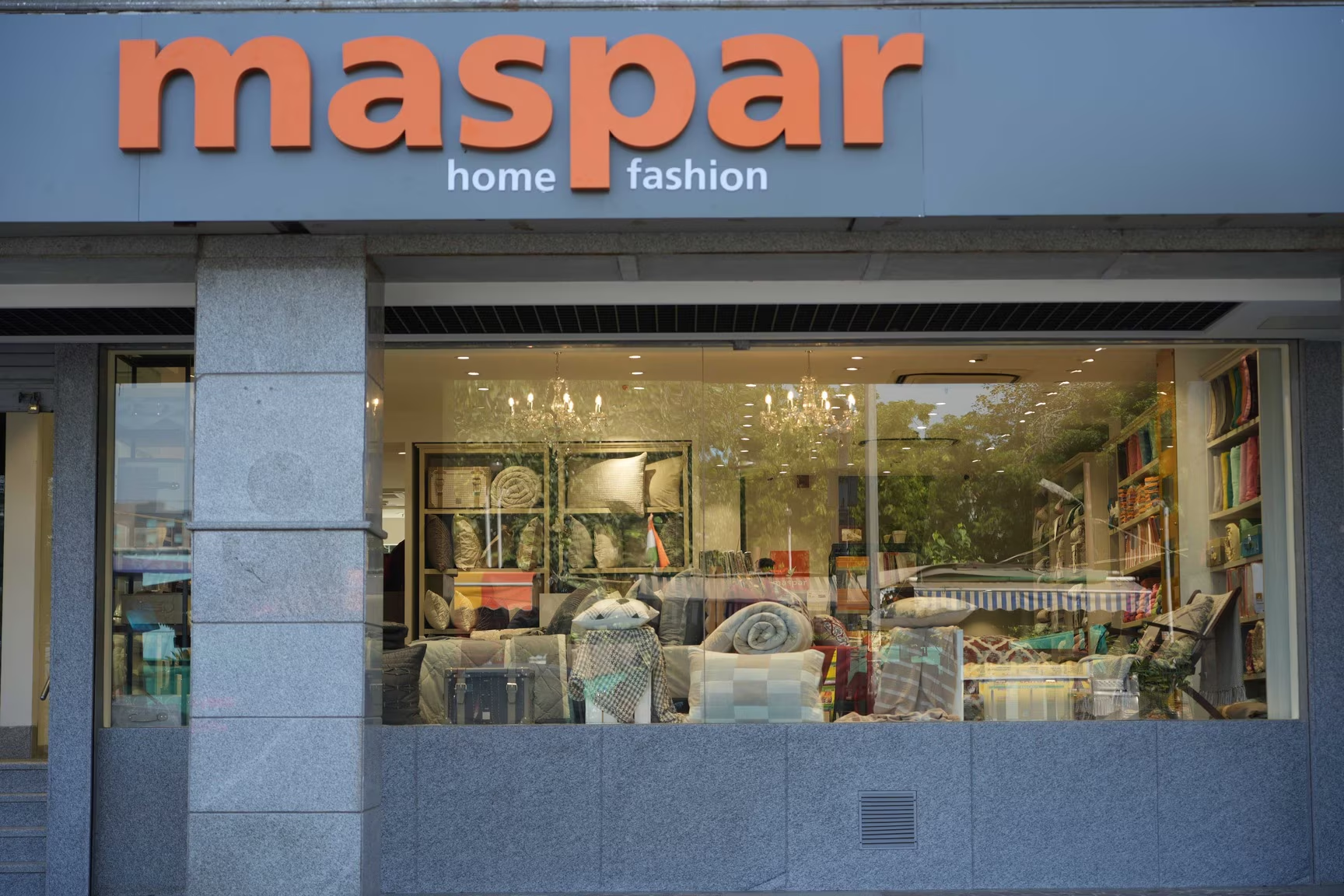
Maspar has unveiled a new décor collection blending classic design cues with contemporary interiors, highlighting how India’s organised home furnishings market is evolving as urban households increasingly prioritise quality living spaces, coordinated interiors and longer-lasting products.The launch, positioned around timeless aesthetics adapted for modern homes, comes as India’s residential market shifts beyond basic ownership toward lifestyle-led consumption.
Rising home upgrades, renovation cycles and demand from newly completed apartments are creating stronger momentum for premium décor categories such as soft furnishings, cushions, coordinated textiles and accent products. For cities, the significance goes beyond one brand’s product release. Housing markets in metros and tier-two centres are seeing buyers spend more on post-possession improvements. Developers may hand over apartments, but homeowners increasingly invest in interiors that improve storage, comfort, acoustics and visual cohesion.That places Maspar modern decor within a wider transformation of India’s built environment. As average apartment sizes remain compact in many urban areas, households are seeking furnishings that deliver style without overcrowding space. Neutral palettes, modular layouts and multifunctional décor are gaining favour over bulky, purely ornamental purchases.Industry observers note that organised décor brands benefit from growing consumer preference for predictable quality and coordinated collections. Historically, India’s furnishings market was dominated by fragmented local vendors and unbranded products. But digital discovery, faster delivery networks and design awareness are helping formal players gain visibility.
Maspar has recently expanded its physical retail footprint through an experiential store in Mumbai, indicating that consumers increasingly want to visualise finished room settings rather than buy isolated products. That shift mirrors broader retail trends where customers seek design consultation and complete-room inspiration. The rise of Maspar modern decor also intersects with sustainability concerns. Soft furnishings can generate frequent replacement waste when trends change rapidly or products wear out quickly. Designers say durable fabrics, timeless patterns and higher-quality materials can reduce discard cycles, especially when compared with fast-fashion style home décor turnover.There is also an economic ripple effect. Home décor demand supports textile mills, stitching units, packaging, logistics, retail staff and design professionals. As India’s residential completions rise, these allied sectors can capture more value from the housing economy beyond cement and steel.However, affordability remains a dividing line. Premium décor still serves a narrower urban segment, while many households remain focused on essential spending. To scale further, organised brands may need mid-market offerings, easier financing and products suited to local climates such as heat, dust and humidity.Urban planners increasingly argue that housing quality should include interiors, not just floor area. Poor material choices can worsen maintenance costs, indoor comfort and energy use. Better curtains, bedding and textiles can improve thermal comfort and reduce dependence on cooling appliances in some conditions.
Maspar’s latest launch therefore reflects a larger shift in Indian cities: homes are becoming curated living environments rather than simply owned assets. The next growth phase for the sector may depend on whether design-led products can also become more sustainable, durable and accessible.