HomeLatestIndia Real Estate Demand Outpaces Global Slowdown

India Real Estate Demand Outpaces Global Slowdown

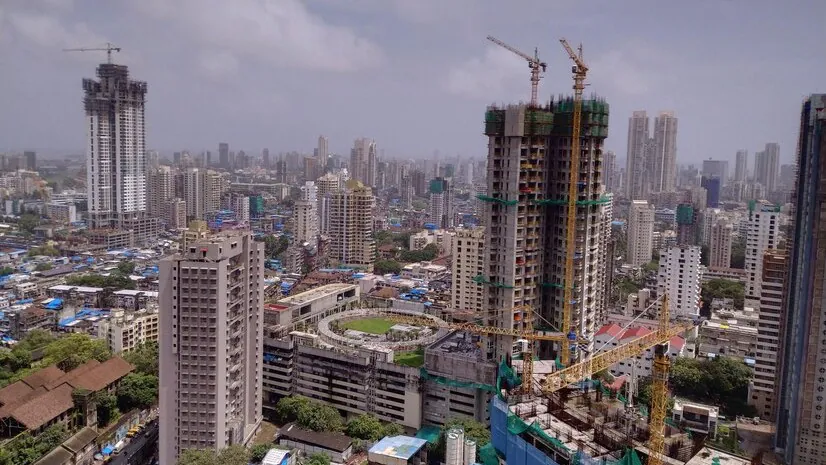
India’s housing sector is demonstrating relative stability at a time when global real estate markets, particularly in East Asia, are facing prolonged stress. While declining prices and stalled projects have reshaped property dynamics elsewhere, Indian cities are witnessing sustained demand, underpinned by demographic momentum and steady economic growth. For urban India, this divergence is not just economic it carries implications for how cities expand, house their populations, and manage resources responsibly.

The contrast is most visible in the structure of supply and demand. In several global markets, years of debt-driven construction have resulted in surplus inventory and financial strain among developers. Indian cities, by comparison, continue to face constrained supply in many segments, particularly mid-income housing. Urban planners note that regulatory bottlenecks, land availability challenges, and infrastructure gaps have limited overbuilding, inadvertently preventing the kind of oversupply seen elsewhere. The India housing market is being shaped by long-term demographic shifts. A young workforce, rising urban migration, and smaller household sizes are steadily increasing demand for formal housing. This is especially evident in tier-one and emerging tier-two cities, where employment clusters continue to expand. However, this growth also raises questions about urban density, transport integration, and access to basic services areas where planning often lags behind construction activity.

Economic fundamentals are providing additional support. With national output projected to grow at a robust pace and borrowing costs remaining relatively moderate, homebuyers have retained purchasing capacity. Institutional investment has also flowed into the sector, signalling confidence in long-term urban expansion. Yet, experts caution that such inflows must be aligned with sustainable development goals, particularly in reducing carbon-intensive construction practices and promoting energy-efficient housing. Despite its resilience, the India housing market is not without vulnerabilities. Rising input costs, particularly for construction materials, are beginning to compress developer margins and may translate into higher property prices. At the same time, demand in premium housing segments appears to be softening, suggesting a recalibration of buyer priorities towards affordability and value.

There are also structural concerns around equitable access. While mid-income housing continues to see traction, lower-income segments remain underserved in many cities. Without targeted policy interventions, the gap between formal housing supply and actual urban need could widen, intensifying informal settlements and associated environmental stress. Looking ahead, analysts expect moderate but steady expansion in India’s property sector. The challenge for policymakers and developers will be to balance growth with sustainability ensuring that new housing is not only financially viable but also climate-resilient, resource-efficient, and inclusive. As cities continue to absorb millions of new residents, the focus is likely to shift from sheer volume of construction to the quality and liveability of urban spaces.

Also Read : India Real Estate Shifts Toward JDA Partnerships
India Real Estate Demand Outpaces Global Slowdown
RELATED ARTICLES

LEAVE A REPLY

Please enter your comment!
Please enter your name here

- Advertisment -spot_img

Most Popular

Recent Comments

India Aluminium Sector Faces Raw Material Challenge

India Aluminium Sector Faces Raw Material Challenge

India’s smaller aluminium manufacturers are facing mounting financial pressure as rising raw material costs continue to erode competitiveness, prompting industry bodies to seek policy...
NMDC Steel Governance Move Supports Growth Plans

NMDC Steel Governance Move Supports Growth Plans

NMDC Steel has announced a key leadership change in its corporate governance structure with the appointment of a new Company Secretary and Compliance Officer,...
Tata Steel Earnings Reflect Infrastructure Momentum

Tata Steel Earnings Reflect Infrastructure Momentum

India’s expanding infrastructure pipeline helped Tata Steel Q1 Results reflect stronger domestic operational resilience during the first quarter of FY27, even as international operations...
Shree Cement Earnings Signal Cement Sector Challenges

Shree Cement Earnings Signal Cement Sector Challenges

Shree Cement has reported a weaker financial performance for the opening quarter of FY27, with standalone net profit declining year on year despite continued...
Shree Cement Board Meets On Quarterly Performance

Shree Cement Board Meets On Quarterly Performance

Shree Cement’s board is scheduled to meet on Q1 FY27 results this week, with investors closely watching the company’s financial performance amid evolving cement...