HomeLatestGodrej Properties Reduces Construction Footprint In Mumbai

Godrej Properties Reduces Construction Footprint In Mumbai

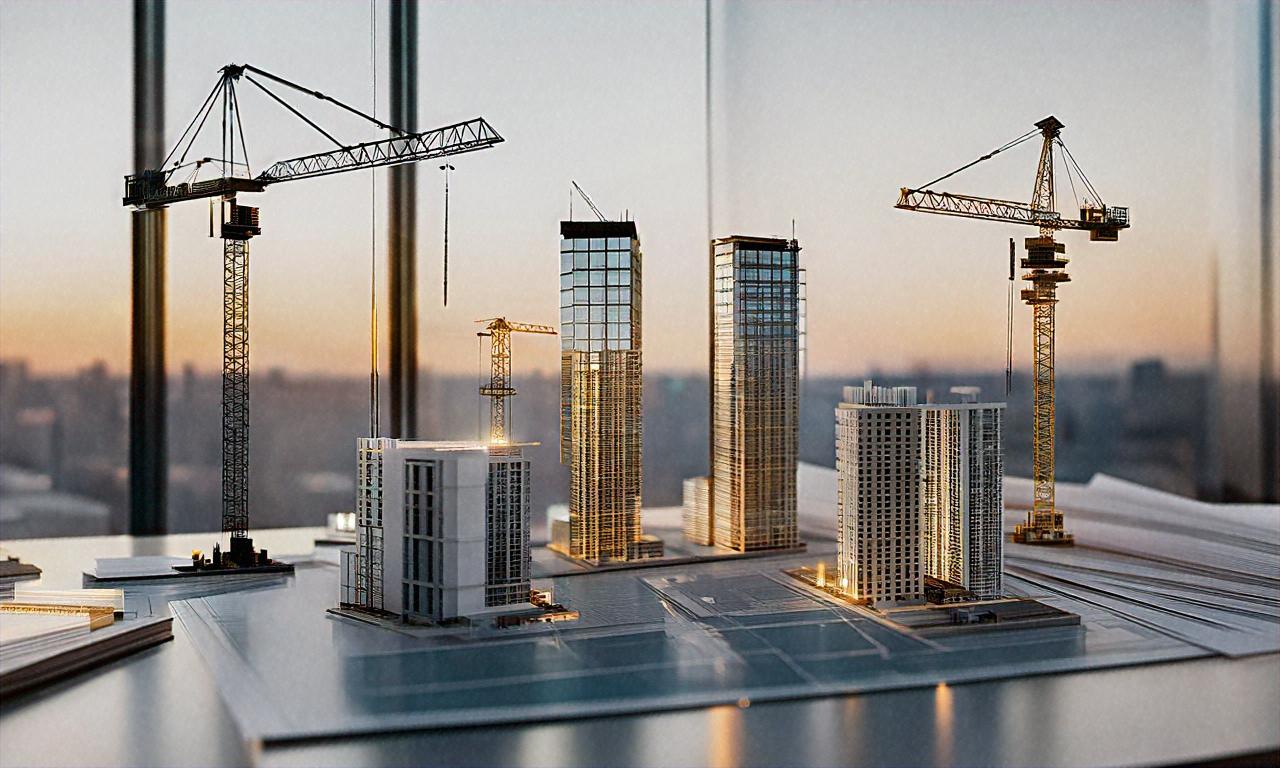
Mumbai’s high-density housing market is beginning to test how artificial intelligence can reshape construction efficiency without expanding the urban footprint. A recent optimisation exercise at a large residential project in Mumbai has shown how digital planning tools can reduce built-up construction area while improving parking management and lowering material intensity in already-approved developments.

The project, led by a major listed developer in collaboration with an AI-based planning firm, identified opportunities to reduce construction area by nearly one-fifth despite the project being at an advanced approval and design stage. The intervention focused on internal planning efficiencies rather than redesigning towers or increasing density, signalling a shift in how technology is being deployed in Indian real estate. Industry experts say such exercises could become increasingly important in cities like Mumbai, where land scarcity, rising construction costs and infrastructure stress continue to challenge urban expansion. Optimising existing layouts instead of adding more built mass may also support lower embodied carbon emissions by reducing the volume of concrete and steel required during construction.

One of the most significant changes emerged in the project’s parking strategy. Earlier plans relied heavily on multi-level mechanical parking systems, which are often criticised for high maintenance costs, operational failures and poor long-term usability in residential complexes. The revised approach reportedly enabled higher parking capacity within the same footprint through more efficient surface-level planning and basement rationalisation. Urban planners note that parking design has become a critical urban issue in Indian metros. Mechanical systems, while space-saving on paper, frequently face maintenance challenges that affect accessibility and resident convenience over time. Simpler parking layouts may improve usability while also lowering electricity demand and operational costs associated with automated systems.

The AI-led review also reduced the depth and complexity of basement construction. Construction analysts point out that deeper basements significantly increase excavation, waterproofing and structural costs while carrying environmental implications related to energy-intensive materials and groundwater disruption. Reducing basement intensity could therefore improve both financial viability and environmental performance. Across India’s property sector, developers are increasingly adopting digital technologies to improve project execution, cost forecasting and land utilisation. The use of AI in construction planning is emerging alongside pressures from rising raw material prices, tighter financing conditions and demand for faster project delivery. Technology-driven optimisation is also gaining attention as cities attempt to balance housing demand with sustainability commitments.

Experts tracking the built environment sector believe AI in construction could increasingly influence how residential and commercial projects are planned in land-constrained urban regions. However, they caution that technology alone cannot address broader urban concerns such as affordable housing shortages, transport integration or equitable access to public infrastructure. As Mumbai and other Indian cities continue to densify, the next phase of urban development may depend less on building bigger and more on building smarter. The larger test for the industry will be whether these efficiencies translate into more liveable, resource-conscious and citizen-friendly neighbourhoods rather than simply improving project economics.

Also Read : MICL South Mumbai Projects Signal Dense Growth
Godrej Properties Reduces Construction Footprint In Mumbai
RELATED ARTICLES

LEAVE A REPLY

Please enter your comment!
Please enter your name here

- Advertisment -spot_img

Most Popular

Recent Comments

Chennai Real Estate Growth Defies National Slowdown

Chennai Real Estate Growth Defies National Slowdown

Chennai’s residential sector has entered 2026 with stronger momentum than several larger metropolitan markets, signalling a shift in how urban households are approaching home...
Ranchi Luxury Farmhouses Reflect Elite Land Shift

Ranchi Luxury Farmhouses Reflect Elite Land Shift

India’s luxury real estate market is witnessing a steady rise in demand for large-format farmhouses and private estates, with several high-profile sports personalities investing...
India Commercial Real Estate Draws New Investors

India Commercial Real Estate Draws New Investors

India’s investment landscape is witnessing a gradual shift as commercial real estate emerges as a preferred asset class among urban investors seeking stable income...
Mahim Housing Launch Highlights Urban Lifestyle Demand

Mahim Housing Launch Highlights Urban Lifestyle Demand

Mumbai’s premium housing market is continuing its southward expansion with a new high-rise residential project in Mahim, highlighting how developers are increasingly targeting established...
Puravankara Bengaluru Contract Signals Market Confidence

Puravankara Bengaluru Contract Signals Market Confidence

A new residential construction mandate in Bengaluru has added momentum to the city’s expanding housing pipeline, underlining how large developers are continuing to consolidate...