HomeLatestIndia Steel Makers Adopt Smarter Production

India Steel Makers Adopt Smarter Production

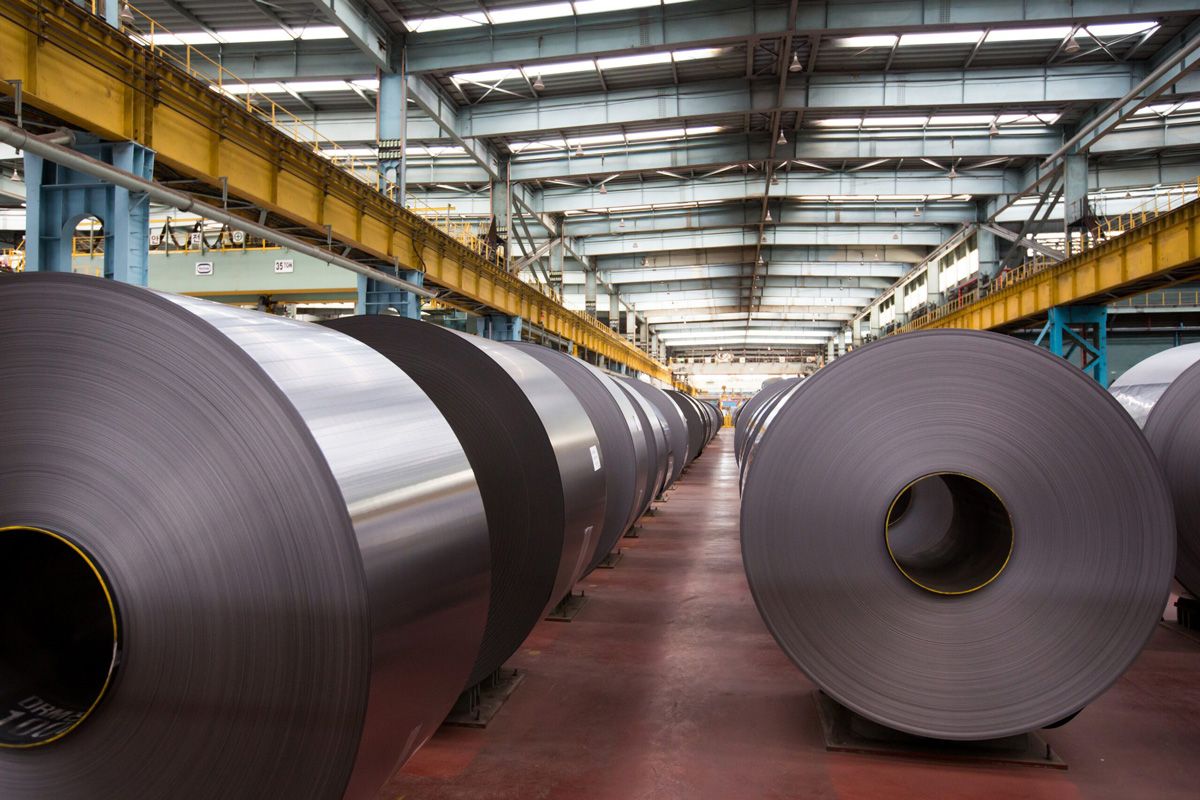
India’s steel sector is increasingly adopting artificial intelligence and advanced digital technologies as producers confront a dual challenge: meeting rising demand from infrastructure and urban development projects while reducing environmental impacts.

Steel remains one of the most important materials underpinning India’s urban transformation.From metro rail networks and affordable housing projects to industrial corridors and renewable energy infrastructure, demand for steel continues to rise. Industry estimates indicate that domestic consumption has expanded significantly over the past decade, driven by large scale public investment and growing manufacturing activity. At the same time, policymakers have outlined ambitious plans to expand national steelmaking capacity over the coming years. Against this backdrop, AI in steel manufacturing is gaining attention as companies seek to optimise production without proportionately increasing energy consumption and operational costs. Technologies such as predictive analytics, machine learning, digital twins and automated process controls are being deployed to monitor equipment performance, improve product quality and reduce wastage across production lines. Industry experts note that real-time data analysis can help steel plants detect inefficiencies earlier, allowing operators to make adjustments that conserve resources and improve output.

The development also carries environmental significance. Steel production remains among the most carbon-intensive industrial activities globally. India’s steel sector contributes a substantial share of industrial emissions, making decarbonisation a priority for both climate commitments and future export competitiveness. Studies suggest that improvements in energy efficiency, greater use of renewable electricity, increased recycling and adoption of cleaner production technologies will be essential for reducing the sector’s carbon footprint.In this context, AI in steel manufacturing is increasingly viewed as an enabling tool rather than a standalone solution. Advanced monitoring systems can help optimise fuel use, improve energy management and support operational decisions linked to emissions reduction. However, analysts caution that digitalisation alone cannot deliver a low-carbon transition. Broader investments in green energy, cleaner steelmaking technologies and modern infrastructure will remain necessary.

Urban planners and infrastructure specialists point out that the quality and sustainability of steel production have direct implications for cities. More efficient manufacturing can lower resource consumption, strengthen supply chains and support the delivery of resilient infrastructure needed for growing urban populations. As India expands its industrial base and construction activity, balancing production growth with environmental responsibility is expected to become an increasingly important policy and business priority.The coming years are likely to determine whether digital technologies can help transform one of the country’s most resource-intensive industries into a more efficient and climate-conscious pillar of economic development, while continuing to supply the materials required for India’s next phase of urban growth.

Also Read : India Ramming Mass Market Tracks Steel Growth
India Steel Makers Adopt Smarter Production
RELATED ARTICLES

LEAVE A REPLY

Please enter your comment!
Please enter your name here

- Advertisment -spot_img

Most Popular

Recent Comments

Vedanta Aluminium Output Hits Record as Restructuring Nears

Vedanta Aluminium Output Hits Record as Restructuring Nears

Vedanta closed FY26 with record aluminium and alumina production, strengthening its position in a metals market closely tied to India’s infrastructure, power and transport...
India Steel Consumption Signals Wider Urban Growth

India Steel Consumption Signals Wider Urban Growth

India’s steel consumption has nearly doubled over the past decade, reaching about 152 million tonnes in 2024-25 from 77 million tonnes in 2014-15. The...

Pune GCC Demand Reshapes Commercial Office Market

Pune GCC Demand Reshapes Commercial Office Market

Pune’s office market is increasingly being shaped by Global Capability Centres (GCCs), with multinational firms using the city for technology, engineering, financial and specialised...

Hyderabad Brigade Barcelona RERA Shapes Kokapet Housing

Hyderabad Brigade Barcelona RERA Shapes Kokapet Housing

Hyderabad’s western growth corridor is seeing another large residential addition as Brigade Barcelona, a luxury housing project in Kokapet’s Neopolis, moves ahead with Telangana...

Chandigarh RERA Enters Focus as Prime Homes Near Crores

Chandigarh RERA Enters Focus as Prime Homes Near Crores

Chandigarh’s prime residential market is entering a new price bracket, with registered transactions showing that well-located plots in established sectors can command tens of...