HomeLatestJindal Steel Secures Long Term Renewable Energy

Jindal Steel Secures Long Term Renewable Energy

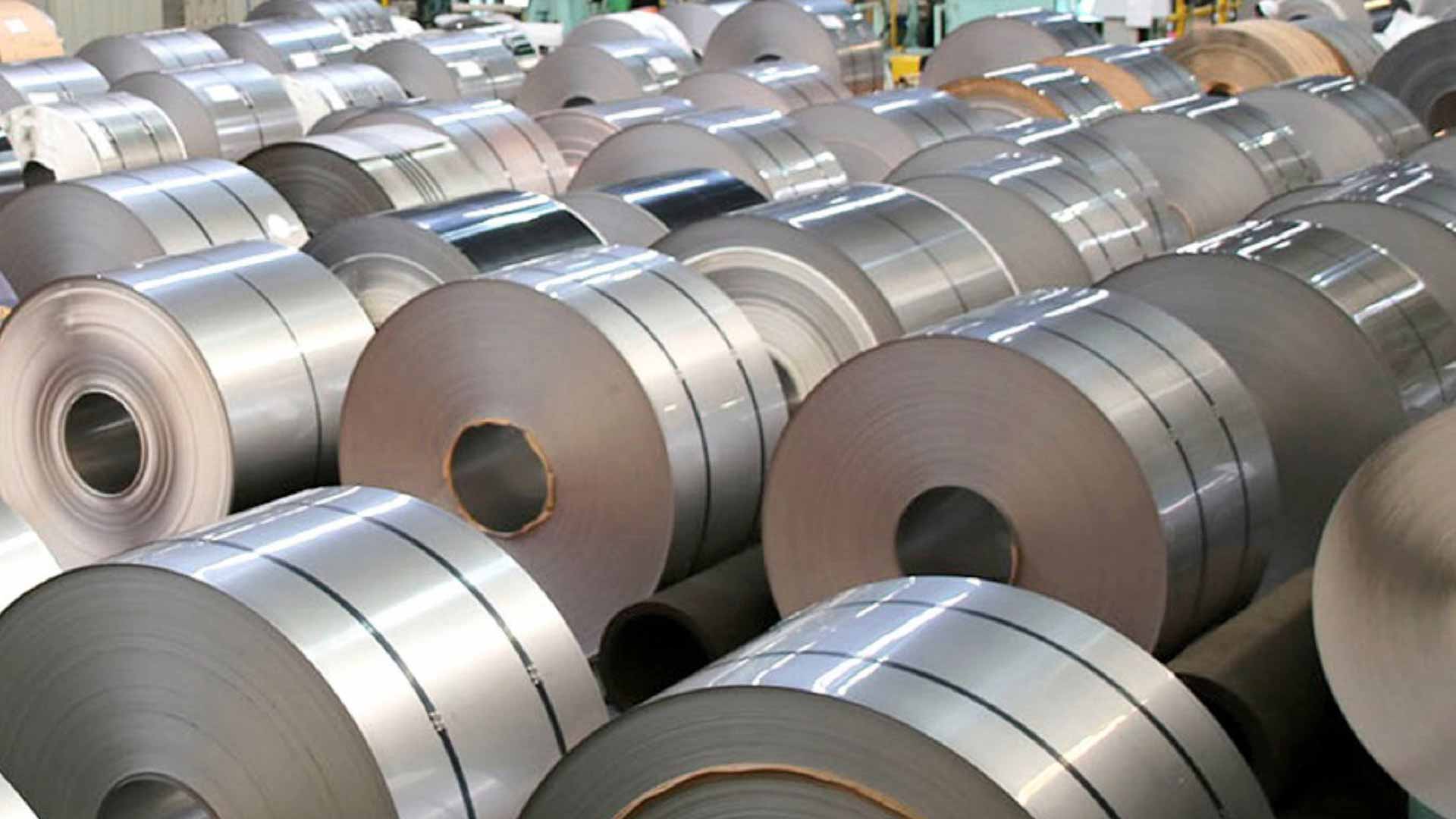
A major Indian steel producer has entered into a long duration renewable electricity arrangement aimed at securing clean power for its industrial operations over the coming decades.

The development reflects a growing transformation within India’s energy intensive manufacturing sector,where businesses are increasingly seeking stable renewable power supplies to manage costs, reduce emissions and align with evolving sustainability expectations.The agreement, structured as a multi-decade Renewable Energy procurement arrangement,is expected to support electricity requirements at industrial facilities while expanding the role of solar power within the company’s energy mix. Such contracts have become increasingly common as renewable generation costs become more competitive and industries seek greater certainty over future energy expenses.For India’s urban economy, the implications extend beyond the steel sector. Steel remains a foundational material for housing, public transport systems, bridges, logistics infrastructure, industrial parks and climate-resilient construction projects.The energy sources used in steel production therefore influence the carbon footprint of a wide range of urban development activities.Industry experts note that decarbonising heavy manufacturing is becoming a central challenge for countries pursuing economic growth alongside climate commitments. Unlike many commercial sectors, steel production requires large and continuous energy inputs, making Renewable Energy adoption an important component of broader industrial transition strategies.

The move also reflects a wider shift in corporate energy procurement.Traditionally, industrial facilities relied heavily on conventional grid power or captive fossil fuel based generation.However, long term Renewable Energy agreements are increasingly being used to lock in predictable electricity prices while reducing exposure to fluctuations in fuel markets and regulatory changes.Urban planners and environmental analysts argue that cleaner industrial power consumption can generate benefits beyond individual companies. Reduced dependence on fossil fuel based electricity can contribute to improved air quality, lower greenhouse gas emissions and more sustainable regional development outcomes,particularly in industrial corridors where manufacturing activity is concentrated.At the same time, specialists caution that Renewable Energy adoption alone will not fully address the environmental footprint of heavy industries. Achieving meaningful reductions in industrial emissions will require a combination of energy efficiency measures,cleaner production technologies, circular economy practices and investments in low-carbon supply chains.The agreement also highlights the growing importance of private sector participation in India’s energy transition.Long term demand commitments from large industrial consumers can help support investment in new renewable generation capacity, strengthening the country’s broader clean energy ecosystem and accelerating deployment of solar infrastructure.

For infrastructure and real estate sectors, the trend carries increasing significance.Developers, investors and public agencies are placing greater emphasis on embodied carbon the emissions associated with producing construction materials.Cleaner energy inputs into steel manufacturing can therefore influence sustainability outcomes across multiple stages of the built environment.As India continues to expand its infrastructure base and urban footprint,the relationship between industrial growth and clean energy will become increasingly important.Future competitiveness may depend not only on production capacity and efficiency but also on how effectively industries integrate Renewable Energy into their long-term operating models while supporting broader climate and development objectives.

Also Read : Steel Exchange India Debt Reduction Signals Stability
Jindal Steel Secures Long Term Renewable Energy
RELATED ARTICLES

LEAVE A REPLY

Please enter your comment!
Please enter your name here

- Advertisment -spot_img

Most Popular

Recent Comments

India Cement Sector Reinforces Shareholding Accountability

India Cement Sector Reinforces Shareholding Accountability

A regulatory filing by a listed cement sector company has renewed attention on ownership transparency and corporate accountability within industries that play a significant...
India Cement Sector Focuses On Market Transparency

India Cement Sector Focuses On Market Transparency

India’s listed cement companies are entering a critical reporting period as preparations begin for the release of first quarter financial results for FY27. A recent...
India Steel Sector Focuses On Governance Standards

India Steel Sector Focuses On Governance Standards

India’s corporate reporting season is gathering pace,with listed companies across manufacturing and infrastructure linked sectors implementing regulatory safeguards ahead of quarterly financial disclosures. A recent...
India Market Outlook Highlights Sector Rotation

India Market Outlook Highlights Sector Rotation

India’s equity markets are increasingly being shaped by sector specific developments rather than broad based trends,with investors closely evaluating companies linked to infrastructure,metals, finance...
India Steel Exports Rise Amid Industrial Momentum

India Steel Exports Rise Amid Industrial Momentum

India’s steel sector recorded another year of growth,with domestic production reaching a record level and overseas shipments rising sharply during the last financial year. The...