HomeLatestMathura Hospitality Investment Reflects Rising Demand for Pilgrimage Tourism Infrastructure

Mathura Hospitality Investment Reflects Rising Demand for Pilgrimage Tourism Infrastructure

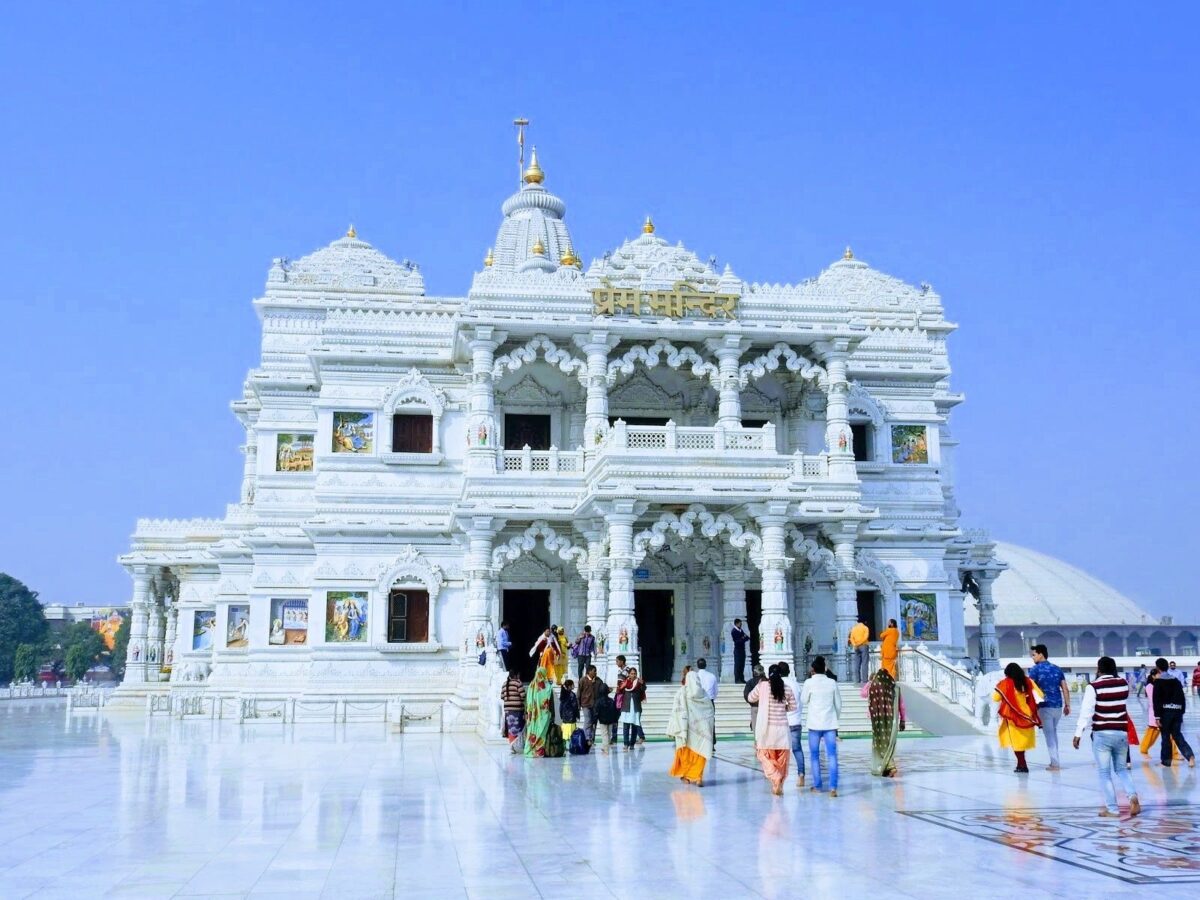
Mathura, one of India’s most visited pilgrimage destinations, is set to witness a new phase of hospitality-led urban investment as an international hotel operator expands its presence in the city. The planned hotel project reflects growing confidence in the economic potential of spiritual tourism while highlighting the increasing need for organised accommodation, transport connectivity and civic infrastructure across emerging tourism centres. The proposed development comes at a time when religious tourism is becoming a major driver of local economic activity across northern India. Cities associated with cultural and spiritual heritage are recording higher visitor volumes, prompting investors and hospitality operators to look beyond metropolitan markets. In Mathura, the birthplace of Lord Krishna and a gateway to the wider Braj region, annual pilgrim inflows have continued to place pressure on existing hospitality infrastructure.

According to information released by the hospitality operator, the new branded hotel will add fresh room capacity to the city’s organised lodging market. While hotel development is often viewed through the lens of tourism, urban planners note that such projects can have broader implications for local economies. New accommodation facilities typically generate demand for transport services, food supply chains, local employment, retail activity and public infrastructure upgrades. The expansion also reflects a wider trend in India’s hospitality sector, where hotel companies are increasingly targeting secondary and tertiary cities rather than concentrating investments solely in established business hubs. Industry analysts suggest that spiritual tourism destinations are emerging as one of the fastest-growing segments within domestic travel, supported by improved highways, railway modernisation and government-backed heritage corridor projects.

For Mathura, the significance extends beyond visitor numbers. Urban development experts argue that the success of hospitality investments will depend on how effectively city authorities manage issues such as traffic congestion, pedestrian mobility, waste management and environmental protection around heritage zones. Rapid tourism growth can place considerable strain on water resources, sanitation systems and public spaces if expansion is not accompanied by adequate civic planning. The Mathura tourism infrastructure ecosystem has already been evolving through investments in roads, hospitality assets and visitor facilities. However, experts caution that future growth should prioritise sustainability and liveability alongside economic gains. Integrating energy-efficient buildings, responsible water use and improved public transport access could help reduce the environmental footprint associated with rising tourist arrivals.

The latest hotel proposal therefore represents more than a hospitality transaction. It signals how Mathura tourism infrastructure is becoming a focal point for private investment linked to cultural travel and regional development. As visitor numbers continue to rise, the challenge for policymakers will be ensuring that tourism-led growth strengthens the local economy while preserving the heritage, environment and quality of life that make the city a destination in the first place. In the coming years, the effectiveness of this balance may determine whether pilgrimage cities such as Mathura can transition into resilient urban tourism centres capable of accommodating growth without compromising their cultural and civic character.

Also Read: Ramco Cements Merger Process Signals Operational Shift
Mathura Hospitality Investment Reflects Rising Demand for Pilgrimage Tourism Infrastructure

RELATED ARTICLES

LEAVE A REPLY

Please enter your comment!
Please enter your name here

- Advertisment -spot_img

Most Popular

Recent Comments

Bodoland Moves Ahead With Strategic Land Assembly for New Development Corridor

Bodoland Moves Ahead With Strategic Land Assembly for New Development Corridor

Authorities in the Bodoland Territorial Region have approved the acquisition of more than 400 bighas of land near Bismuri, setting the stage for a...
Noida Begins New Chapter in Media Infrastructure With Major Studio District Development

Noida Begins New Chapter in Media Infrastructure With Major Studio District Development

Construction activity has formally commenced on the first phase of a large-scale media and entertainment district in Noida, marking a significant step in Uttar...
Mumbai Becomes a Magnet for India’s Mobile Wealth as Luxury Housing Demand Widens

Mumbai Becomes a Magnet for India’s Mobile Wealth as Luxury Housing Demand Widens

Mumbai’s high-end residential market is increasingly attracting buyers from across India, signalling a shift in how affluent households view urban property ownership. Data from...
Aviom Restructuring Highlights Challenges In Affordable Housing Lending

Aviom Restructuring Highlights Challenges In Affordable Housing Lending

India’s affordable housing finance sector could witness a significant ownership transition as a resolution process involving nearly ₹936 crore moves towards completion, marking an...
Maharashtra Nifco Leases 22.3 Lakh Sq Ft For New Manufacturing Facility

Maharashtra Nifco Leases 22.3 Lakh Sq Ft For New Manufacturing Facility

A significant industrial space transaction in Maharashtra has highlighted the growing role of large-scale manufacturing investments in shaping the state's logistics corridors, employment centres...