HomeLatestKolte Patil Redevelopment Push Reshapes Mumbai Housing

Kolte Patil Redevelopment Push Reshapes Mumbai Housing

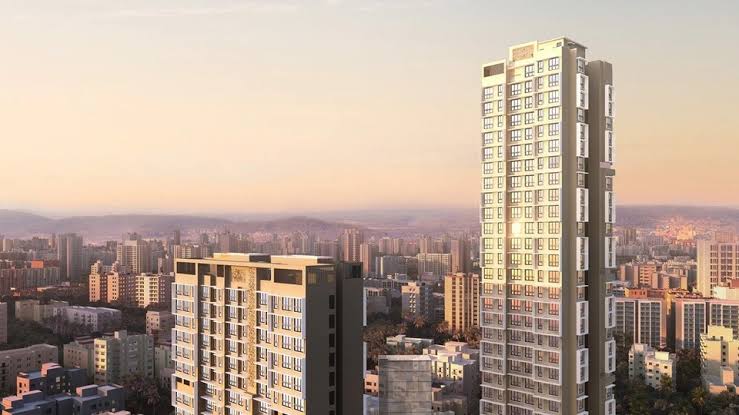
A fresh set of redevelopment projects across Mumbai’s residential neighbourhoods has reinforced the city’s growing reliance on urban renewal as a solution to ageing housing stock and limited land availability. The acquisition of development rights for six housing societies by Kolte-Patil Developers signals continued momentum in redevelopment-led growth, highlighting how existing urban land is increasingly being repurposed to accommodate future housing demand rather than expanding into undeveloped areas.

According to regulatory information, the developer has secured redevelopment opportunities involving six residential properties across Mumbai. The projects are expected to replace ageing buildings with new residential developments under the city’s cooperative housing society redevelopment framework. The expansion adds to the company’s growing redevelopment presence in the Mumbai Metropolitan Region, where redevelopment has become a significant component of residential supply due to severe land constraints.

The Mumbai redevelopment projects reflect a structural shift in the city’s real estate market. With limited vacant land available for large greenfield developments, developers are increasingly partnering with resident societies to unlock development potential within established neighbourhoods. Industry experts note that such projects enable better utilisation of urban land while providing residents with safer buildings, improved amenities and compliance with modern construction standards. Urban planners, however, caution that redevelopment should extend beyond replacing old structures with taller residential towers. Every additional dwelling increases demand for water supply, sewage treatment, electricity distribution, public transport, healthcare facilities and open public spaces. Without simultaneous investment in civic infrastructure, redevelopment risks intensifying congestion and placing further pressure on already stretched municipal services. The Mumbai redevelopment projects also demonstrate the increasing preference among developers for asset-light expansion through redevelopment agreements instead of expensive land purchases. Analysts believe this model allows developers to enter premium neighbourhoods with relatively lower upfront land acquisition costs while reducing project approval timelines. For residents, redevelopment can improve structural safety and living standards, particularly in buildings that have exceeded their intended design life.

From a sustainability perspective, experts argue that redevelopment presents an opportunity to modernise Mumbai’s housing stock with environmentally responsible construction practices. New developments can integrate energy-efficient building systems, rainwater harvesting, wastewater recycling, solar energy generation and improved waste management. Climate-responsive architecture and better stormwater planning have become increasingly important as Mumbai faces recurring flooding and rising urban temperatures. Economists also point out that redevelopment activity supports employment across construction, engineering, architecture and allied industries while generating demand for building materials and professional services. However, they emphasise that long-term value will depend on creating neighbourhoods that remain accessible, inclusive and supported by adequate public infrastructure rather than focusing solely on higher built-up area. Looking ahead, redevelopment is expected to remain central to Mumbai’s housing strategy as the city seeks to accommodate future population growth within existing urban limits. The success of these projects will ultimately depend on transparent engagement with resident communities, efficient regulatory coordination and integrated planning that balances higher residential density with resilient infrastructure, environmental sustainability and improved quality of urban life.

Also Read: Pune Commercial Property Attracts Institutional Capital
Kolte Patil Redevelopment Push Reshapes Mumbai Housing
RELATED ARTICLES

LEAVE A REPLY

Please enter your comment!
Please enter your name here

- Advertisment -spot_img

Most Popular

Recent Comments

Gateway Hotel Opens New Chapter In Chhattisgarh

Gateway Hotel Opens New Chapter In Chhattisgarh

Chhattisgarh has expanded its organised hospitality infrastructure with the opening of a 151-key hotel in Raipur, reflecting growing investment in accommodation facilities as the...
Pune Commercial Property Attracts Institutional Capital

Pune Commercial Property Attracts Institutional Capital

Fresh commercial real estate transactions across Pune and Gurugram point to an evolving corporate property strategy in India's office market, where companies are monetising...
Ghaziabad Land Acquisition Fuels Planned City Growth

Ghaziabad Land Acquisition Fuels Planned City Growth

The Uttar Pradesh government has approved ₹943 crore for land acquisition linked to the proposed Harnandipuram Township Project in Ghaziabad, marking a significant step...
Yamuna Expressway Housing Project Fuels Urban Expansion

Yamuna Expressway Housing Project Fuels Urban Expansion

A large residential development planned along the Yamuna Expressway corridor has reinforced the region's emergence as one of northern India's fastest-growing urban expansion zones....
UP RERA Project Approvals Expand Urban Investment

UP RERA Project Approvals Expand Urban Investment

The Uttar Pradesh RERA approvals for ten new real estate projects across five districts have added fresh momentum to the state's regulated housing pipeline,...