HomeLatestCygnett Expansion Reflects Rising Demand Beyond Metro Cities

Cygnett Expansion Reflects Rising Demand Beyond Metro Cities

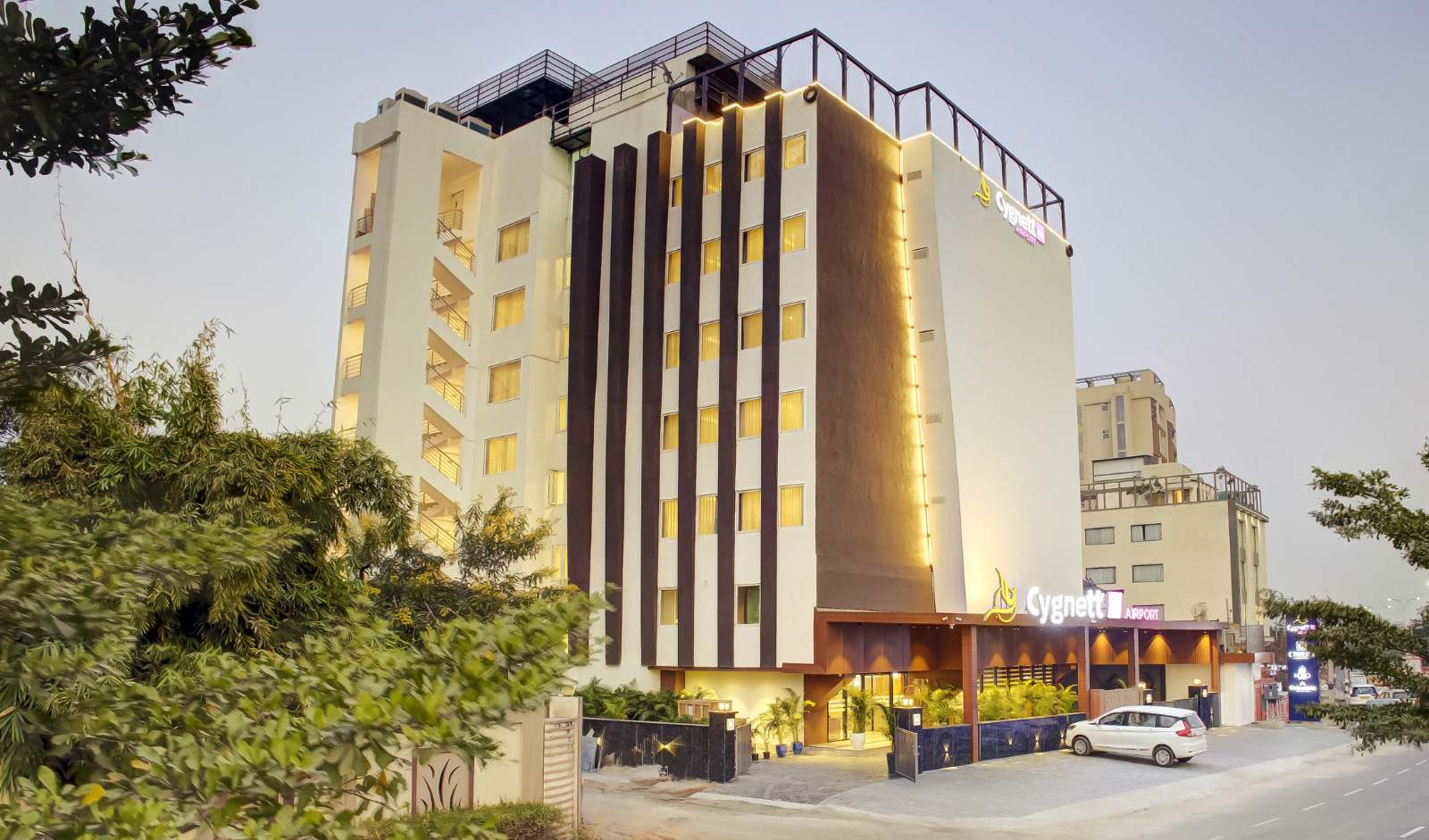
India’s hospitality sector is increasingly turning its attention to smaller cities and emerging travel destinations, reflecting broader changes in urban growth, regional mobility and domestic tourism patterns. A fresh round of hotel openings and portfolio expansion by a domestic hospitality operator highlights how demand for organised accommodation is extending beyond metropolitan centres and into cities experiencing rising economic activity and infrastructure investment. The company’s growing operational footprint comes at a time when India’s travel economy is being reshaped by improved highways, airport connectivity, industrial corridors and regional tourism initiatives. While major metropolitan markets continue to attract hospitality investment, industry observers note that the next phase of sector growth is likely to be driven by Tier II and Tier III cities where branded accommodation remains relatively under-supplied.

The trend is significant from an urban development perspective. New hotel projects are increasingly appearing in cities that are witnessing growth in manufacturing, logistics, education, healthcare and religious tourism. As these urban centres attract greater business and leisure travel, demand for quality accommodation, conference facilities and related services is creating new opportunities for local economies. According to industry experts, the expansion of the regional hospitality growth segment reflects a structural shift rather than a short-term market cycle. Domestic travel has become more geographically diverse, with travellers exploring destinations outside traditional tourism circuits. Improved transport infrastructure and digital booking platforms have also made smaller cities more accessible to both business and leisure visitors. The growth of organised hospitality can have a multiplier effect on urban economies. Hotels support employment across housekeeping, food services, transportation, maintenance and local supply chains. In emerging cities, such investments can contribute to broader economic participation by creating opportunities for small businesses and service providers linked to tourism and travel ecosystems.

However, urban planners caution that rapid hospitality expansion should be aligned with local infrastructure capacity. Increased visitor activity can place additional pressure on water supply networks, waste management systems, mobility infrastructure and public services. As a result, experts emphasise the need for integrated planning that balances economic growth with environmental sustainability and quality of life. The evolving regional hospitality growth landscape also reflects changing investor sentiment towards India’s urban future. Rather than concentrating solely on large cities, hospitality operators are increasingly identifying growth corridors linked to industrial development, cultural tourism, educational hubs and infrastructure-led urbanisation. These locations often offer lower development costs while benefiting from expanding travel demand.

Sustainability considerations are also becoming more relevant as the sector grows. Urban development specialists argue that future hotel projects should prioritise energy-efficient design, responsible water management and reduced carbon footprints, particularly in cities where public infrastructure is already under stress from rapid expansion. As India’s urban network becomes more interconnected, hospitality investment is likely to follow emerging economic and tourism corridors. The challenge for city authorities and developers will be ensuring that growth supports resilient urban development, creates local employment and strengthens civic infrastructure rather than adding pressure to already stretched urban systems. The sector’s expansion into regional markets therefore represents more than a business strategy. It signals how changing travel patterns, infrastructure investment and urbanisation are reshaping the geography of economic opportunity across India.

Also Read: Smartworks Expands Hyderabad Office Leasing Strategy
Cygnett Expansion Reflects Rising Demand Beyond Metro Cities
RELATED ARTICLES

LEAVE A REPLY

Please enter your comment!
Please enter your name here

- Advertisment -spot_img

Most Popular

Recent Comments

JK Lakshmi Cement Results Test Construction Demand

JK Lakshmi Cement Results Test Construction Demand

JK Lakshmi Cement’s first-quarter FY27 performance shows how stronger construction demand is not necessarily translating into higher profitability for cement producers. Revenue increased during...
India Steel Operations Draw New GST Attention

India Steel Operations Draw New GST Attention

A ₹51.23 crore GST intimation issued to a Vedanta group iron and steel subsidiary has brought tax compliance back into focus for India’s resource...
India Cement Growth Faces Rising Input Costs

India Cement Growth Faces Rising Input Costs

India’s cement market is showing a widening gap between physical demand and financial performance, with The Ramco Cements reporting a sharp profit decline in...
India Metal Exports Rise With Clean Energy Trade

India Metal Exports Rise With Clean Energy Trade

India’s metal-processing exports are gaining traction as global investment in electric vehicles, power grids, renewable energy equipment and industrial electrification increases demand for copper,...
India Chemical Sector Enters A New Industrial Phase

India Chemical Sector Enters A New Industrial Phase

India’s chemicals and petrochemicals industry is becoming a larger pillar of the country’s manufacturing economy, with production, industrial clusters and supporting infrastructure expanding over...