HomeLatestSaltstayz Growth Reflects Changing Urban Stay Demand

Saltstayz Growth Reflects Changing Urban Stay Demand

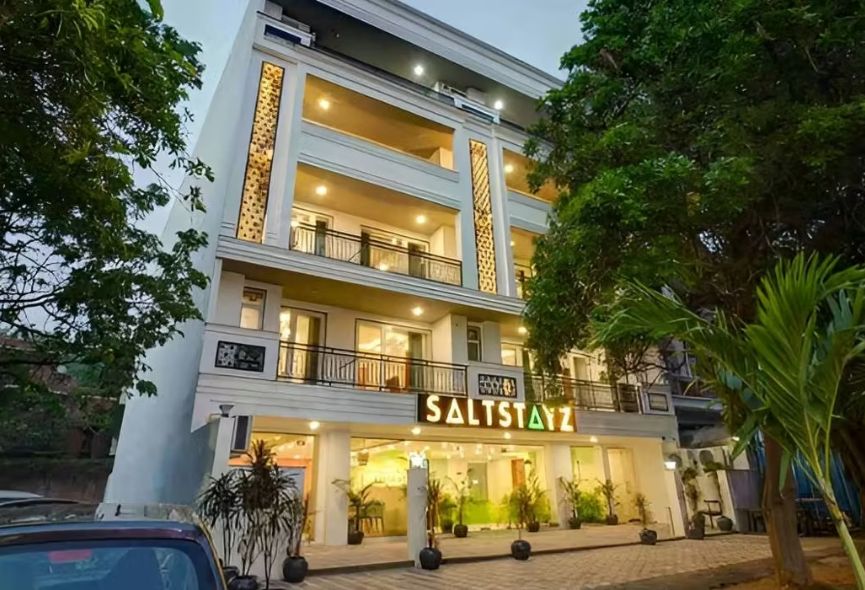
India’s managed accommodation sector is witnessing a new phase of expansion as hospitality operators increase their presence across key urban centres, responding to changing travel patterns, flexible work arrangements and rising demand for professionally managed stays. The addition of multiple new properties by a serviced accommodation operator signals how the boundaries between traditional hotels, rental housing and extended-stay lodging continue to blur in rapidly urbanising regions. The latest expansion reflects broader shifts taking place across Indian cities, where business travellers, young professionals, medical visitors and relocating families are increasingly seeking accommodation options that combine the convenience of hotels with the flexibility of residential living. This evolving demand is creating opportunities for operators focused on medium-term and long-term stays in metropolitan and emerging urban markets.

Industry analysts describe the growth of the managed accommodation sector as a response to structural changes in urban lifestyles. Increased workforce mobility, expanding corporate travel and the rise of project-based employment have generated demand for flexible housing solutions that offer predictable service standards and professionally managed facilities. The trend is particularly visible in large cities where rising real estate costs and limited rental flexibility have encouraged travellers and temporary residents to consider alternatives to conventional housing. As a result, hospitality operators are increasingly adapting existing properties and developing new assets tailored to extended-stay requirements. Urban planners note that the expansion of organised accommodation models carries implications beyond the hospitality industry. New managed properties can support local employment, activate underutilised real estate assets and contribute to neighbourhood-level economic activity through demand for transport, food services, maintenance and retail businesses. In mixed-use urban districts, such developments can also help improve asset utilisation and support more efficient land use patterns.

However, experts caution that growth within the managed accommodation sector should be aligned with wider urban planning objectives. Rapid expansion without adequate infrastructure support can increase pressure on utilities, waste management systems, traffic networks and public services. Sustainable growth, they argue, will depend on integrating accommodation projects with transport accessibility, energy-efficient building standards and responsible resource management practices. The sector’s expansion also reflects a wider evolution in India’s hospitality landscape. Rather than focusing exclusively on short-term tourism demand, operators are increasingly targeting segments linked to healthcare travel, education hubs, technology parks and corporate relocation. This diversification is helping create more resilient business models while expanding accommodation choices for urban residents and visitors alike.

From a real estate perspective, managed accommodation has emerged as an increasingly important asset class. Property owners are exploring partnerships with operators to generate stable income streams while responding to changing occupancy trends in commercial and residential markets. This approach is contributing to a more flexible urban property ecosystem capable of adapting to shifting economic conditions. As Indian cities continue to attract talent, investment and migration, demand for professionally managed living and stay solutions is expected to grow. The challenge for policymakers and developers will be ensuring that expansion supports inclusive urban development, efficient infrastructure use and environmentally responsible growth. Achieving that balance could determine how effectively the sector contributes to the next phase of urban transformation across the country.

Also Read: Cygnett Expansion Reflects Rising Demand Beyond Metro Cities
Saltstayz Growth Reflects Changing Urban Stay Demand
RELATED ARTICLES

LEAVE A REPLY

Please enter your comment!
Please enter your name here

- Advertisment -spot_img

Most Popular

Recent Comments

Bodoland Moves Ahead With Strategic Land Assembly for New Development Corridor

Bodoland Moves Ahead With Strategic Land Assembly for New Development Corridor

Authorities in the Bodoland Territorial Region have approved the acquisition of more than 400 bighas of land near Bismuri, setting the stage for a...
Noida Begins New Chapter in Media Infrastructure With Major Studio District Development

Noida Begins New Chapter in Media Infrastructure With Major Studio District Development

Construction activity has formally commenced on the first phase of a large-scale media and entertainment district in Noida, marking a significant step in Uttar...
Mumbai Becomes a Magnet for India’s Mobile Wealth as Luxury Housing Demand Widens

Mumbai Becomes a Magnet for India’s Mobile Wealth as Luxury Housing Demand Widens

Mumbai’s high-end residential market is increasingly attracting buyers from across India, signalling a shift in how affluent households view urban property ownership. Data from...
Aviom Restructuring Highlights Challenges In Affordable Housing Lending

Aviom Restructuring Highlights Challenges In Affordable Housing Lending

India’s affordable housing finance sector could witness a significant ownership transition as a resolution process involving nearly ₹936 crore moves towards completion, marking an...
Maharashtra Nifco Leases 22.3 Lakh Sq Ft For New Manufacturing Facility

Maharashtra Nifco Leases 22.3 Lakh Sq Ft For New Manufacturing Facility

A significant industrial space transaction in Maharashtra has highlighted the growing role of large-scale manufacturing investments in shaping the state's logistics corridors, employment centres...