
HomeLatestTata Steel Circular Economy Model Gains Scale

Tata Steel Circular Economy Model Gains Scale

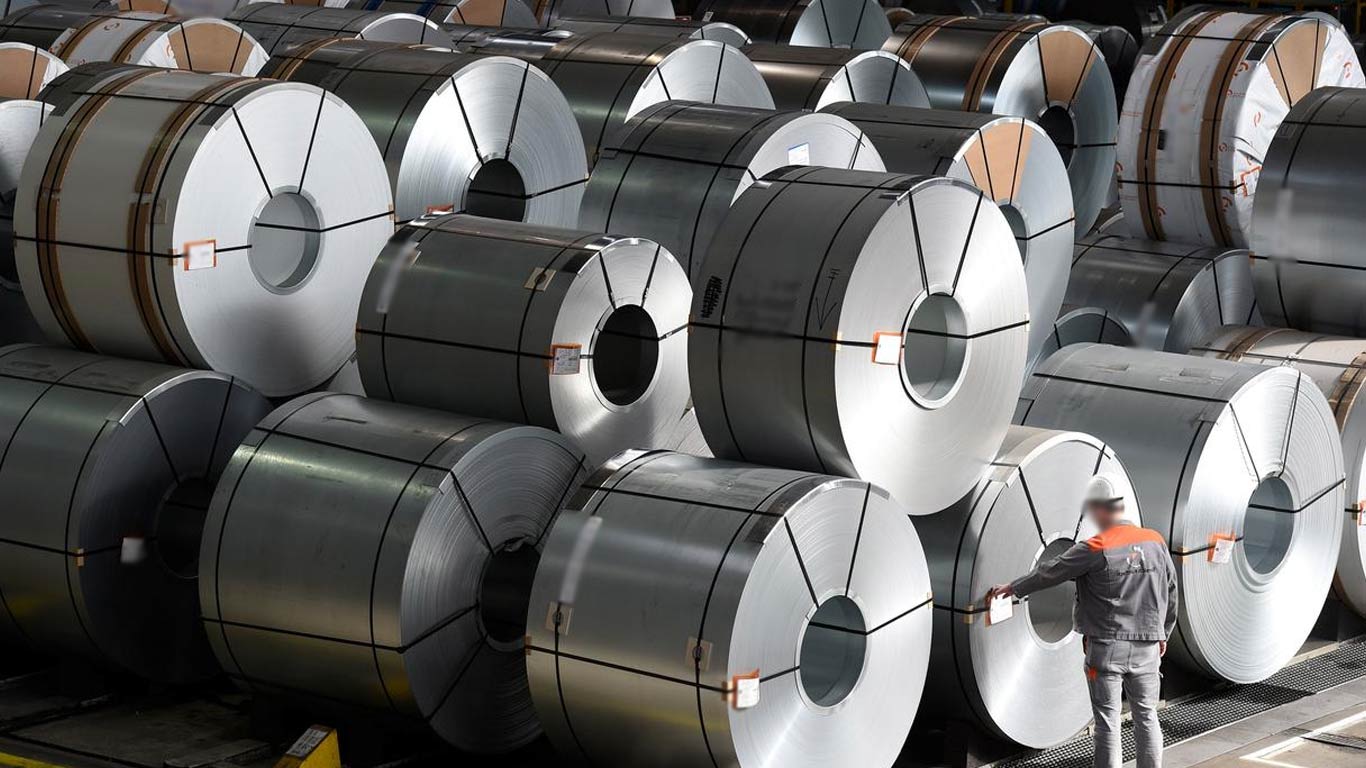
One of the country’s largest steel producers has expanded efforts to process and market industrial by products generated during steelmaking,transforming materials once treated primarily as waste into inputs for construction,cement production,road building and other industrial applications.

The development highlights a growing recognition that resource recovery can contribute both to industrial competitiveness and environmental sustainability.The emergence of a stronger circular economy approach within heavy industry comes at a critical time for India. Cities are expanding rapidly, creating rising demand for construction materials while simultaneously facing mounting pressure to reduce landfill use, conserve natural resources and lower carbon emissions.Industrial by products, when safely processed and regulated, can help address some of these challenges by replacing virgin raw materials in selected applications.Industry experts note that steel production generates significant quantities of slag,fly ash,mill scale and other residual materials.Historically, much of this material required disposal or storage.Advances in processing technologies, however, are enabling manufacturers to extract value from these streams and integrate them into commercial supply chains. The result is a gradual shift from a linear production model towards a circular economy framework that emphasises reuse, recovery and resource optimisation.For urban infrastructure projects, the implications are substantial. Recycled industrial materials are increasingly being used in roads, embankments, cement manufacturing and engineered construction products.

Urban planners suggest that wider adoption could reduce pressure on quarrying and mining activities while supporting more efficient use of existing resources.Such measures are becoming increasingly relevant as cities seek to balance infrastructure expansion with environmental stewardship.The economic dimension is equally important.Resource recovery creates additional revenue streams, reduces disposal costs and can stimulate new industrial ecosystems around recycling,processing and materials management. Analysts believe these secondary industries may generate employment opportunities and strengthen local manufacturing clusters, particularly in regions with established steel and industrial operations.At the same time, experts caution that successful implementation depends on robust environmental standards, transparent monitoring and clear quality controls.The use of industrial by products in public infrastructure requires assurance that materials meet safety,durability and environmental performance requirements.Regulatory oversight therefore remains a crucial component of scaling circular industrial practices.

The trend also aligns with India’s broader climate and resource-efficiency objectives.As industries face growing expectations to reduce emissions and minimise waste, companies are increasingly exploring pathways that extract greater value from existing material flows rather than relying solely on fresh resource extraction.Looking ahead,policymakers and urban development specialists are likely to pay closer attention to how industrial waste streams can be integrated into sustainable construction systems.If managed responsibly, the expansion of circular economy models in heavy industry could help support infrastructure growth while reducing environmental burdens on cities and surrounding ecosystems.

Also Read : India Steel Trade Review Signals Market Caution
Tata Steel Circular Economy Model Gains Scale
RELATED ARTICLES

LEAVE A REPLY

Please enter your comment!
Please enter your name here

- Advertisment -spot_img

Most Popular

Recent Comments

Mumbai Mindspace REIT Sees ₹500 Crore Stake Sale

Mumbai Mindspace REIT Sees ₹500 Crore Stake Sale

MUMBAI: A large unit transaction in Mindspace Business Parks REIT has shifted part of the ownership of one of India's major listed office platforms,...

IRB Infrastructure Targets Pune Mumbai Land Assets

IRB Infrastructure Targets Pune Mumbai Land Assets

PUNE: IRB Infrastructure Developers has received in-principle board approval to monetise non-core land assets in Pune and Mumbai, covering about 350 acres in Pune...

Greater Noida Draws ₹5,200 Crore Housing Investment

Greater Noida Draws ₹5,200 Crore Housing Investment

GREATER NOIDA: Greater Noida is set to receive a major new residential and urban development project after a real estate company secured a 13.44-acre...

Bhubaneswar Government Housing Enters Premium Price Range

Bhubaneswar Government Housing Enters Premium Price Range

BHUBANESWAR: A government-backed housing project in Bhubaneswar is putting the city’s changing property economics under scrutiny, with apartments at Ekamra Residency priced close to...

Howrah Property Owners May Get Tax Relief Soon

Howrah Property Owners May Get Tax Relief Soon

HOWRAH: A proposed property tax relief scheme in Howrah could allow defaulters to settle long-pending dues with penalties and interest waived, while offering a...