HomeIndustriesIndia Stainless Steel Imports Trigger Industry Concerns

India Stainless Steel Imports Trigger Industry Concerns

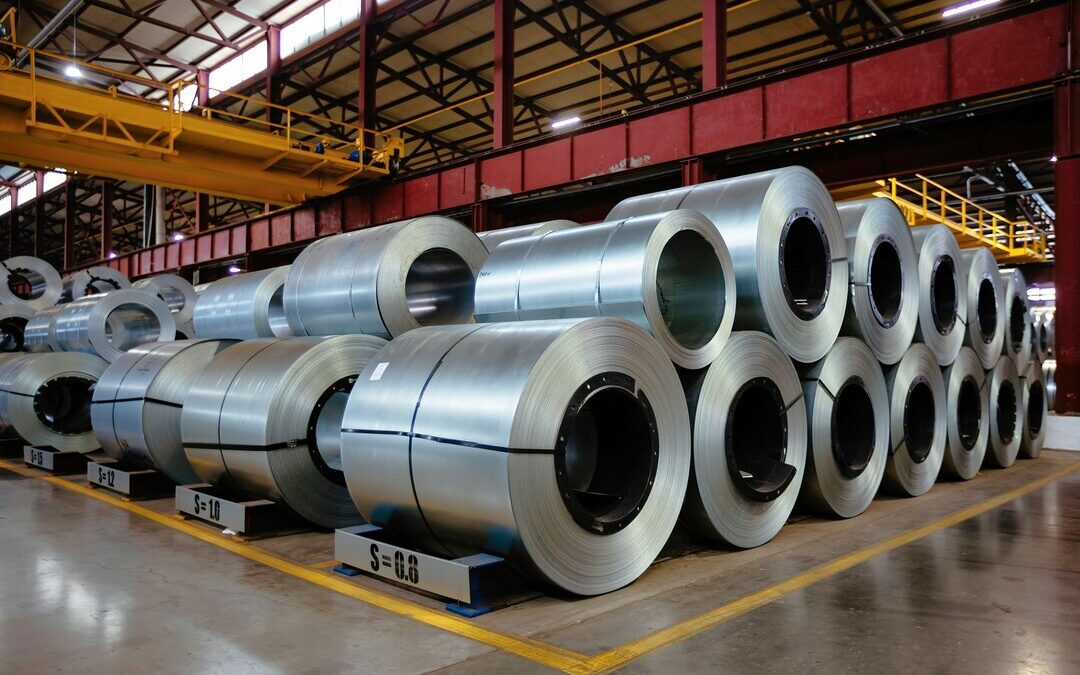
A growing influx of imported stainless steel products is prompting fresh calls for stronger quality oversight in India’s manufacturing sector,with industry stakeholders warning that unchecked inflows could affect domestic production,employment and long term industrial competitiveness.

The issue has gained prominence as small and medium enterprises operating in the stainless steel value chain seek policy measures aimed at ensuring product quality and maintaining a level competitive environment.The debate comes at a time when stainless steel demand is being driven by urban infrastructure,transport systems,renewable energy projects, water networks and modern construction activity. As cities expand and public investment accelerates, stainless steel has become an increasingly important material due to its durability, corrosion resistance and long service life.Industry observers note that maintaining quality standards is critical not only for manufacturers but also for the safety and longevity of public infrastructure.Manufacturing associations representing smaller producers have expressed concerns over the increasing availability of lower cost imports in the domestic market.According to sector analysts, the issue extends beyond pricing pressures and includes questions about product specifications, traceability and compliance with technical benchmarks.

Stakeholders argue that inconsistent quality can create challenges for downstream industries that rely on stainless steel in engineering, construction and industrial applications.At the centre of the discussion is the proposed return of a Quality Control Order,a regulatory mechanism designed to ensure that products entering the market meet prescribed standards.Supporters of stronger oversight contend that robust certification requirements help safeguard consumers,protect infrastructure investments and create fair operating conditions for domestic manufacturers.Critics, however,often caution that regulatory interventions must be carefully designed to avoid disrupting supply chains or limiting market competition.The significance of the Quality Control Order extends beyond industrial policy.Urban planners point out that public infrastructure increasingly depends on high performance materials capable of withstanding environmental stress,heavy usage and changing climate conditions.Bridges, transit systems, water treatment facilities and public buildings all require materials that meet stringent durability standards.Ensuring quality at the source can reduce maintenance costs and improve long term asset performance.

The discussion also reflects broader shifts in India’s economic strategy.Policymakers have been encouraging greater domestic manufacturing capacity while simultaneously integrating the country into global supply chains.Balancing these objectives requires regulatory frameworks that support competitiveness without compromising quality assurance.Industry experts suggest that transparent standards and effective enforcement can help achieve both goals.For small and medium enterprises,which form a significant part of India’s manufacturing ecosystem, the outcome of the policy debate could influence investment decisions, employment prospects and production planning.Many of these businesses play a crucial role in supplying components and materials used across infrastructure and real estate projects.As the government evaluates industry concerns, the future of the Quality Control Order is likely to be closely watched by manufacturers, builders and infrastructure developers alike.The broader challenge will be ensuring that India’s growth in construction and industrial capacity is supported by materials that meet high standards of performance,reliability and sustainability.

Also Read : India Green Steel Push Reshapes Industrial Growth
India Stainless Steel Imports Trigger Industry Concerns
RELATED ARTICLES

LEAVE A REPLY

Please enter your comment!
Please enter your name here

- Advertisment -spot_img

Most Popular

Recent Comments

Odisha Steel Capacity Set to Reshape Industrial Growth

Odisha Steel Capacity Set to Reshape Industrial Growth

Odisha is preparing for a major expansion of its metals economy, with officials projecting installed steel capacity could reach 150–180 million tonnes within five...
SAIL Coking Coal Project Links West Bengal Blocks

SAIL Coking Coal Project Links West Bengal Blocks

Steel Authority of India Ltd (SAIL) and Bharat Coking Coal Ltd (BCCL) have agreed to jointly develop two adjoining coking coal blocks in West...
India Steel Output Gains As Global Production Slips

India Steel Output Gains As Global Production Slips

India’s steel industry continued to expand in August even as global crude steel production contracted, highlighting the country’s growing role in the international steel...
India Orders Captive Coal Plants to Boost Grid Supply

India Orders Captive Coal Plants to Boost Grid Supply

India is turning to its industrial captive power base as electricity demand remains unusually high for September, with 112 coal-based generating stations ordered to...
Andhra Pradesh Clears Land for Cement Expansion

Andhra Pradesh Clears Land for Cement Expansion

Andhra Pradesh has approved 250 acres for the expansion of an integrated cement facility in YSR Kadapa district, enabling planned production capacity to reach...