HomeLatestIndia Metal Recycling Faces Global Supply Challenge

India Metal Recycling Faces Global Supply Challenge

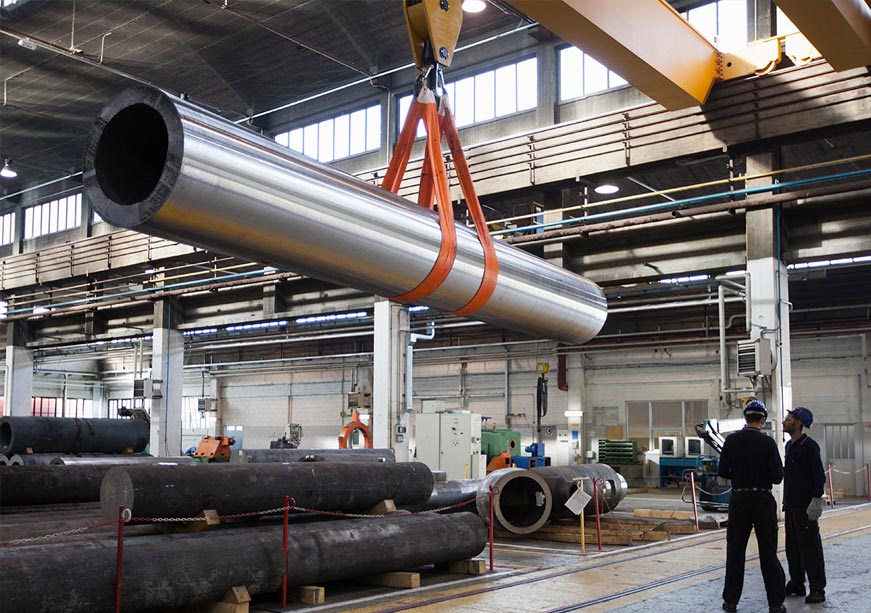
India’s metal recycling industry is assessing the potential impact of tighter European regulations governing scrap exports,with industry stakeholders warning that new compliance requirements could affect the country’s access to recycled raw materials used in steel and aluminium production.

The policy shift has wider implications for low carbon manufacturing,resource efficiency and the future of sustainable urban infrastructure.The concern follows the implementation of revised European waste shipment regulations that introduce stricter controls on the export of recyclable materials to countries outside the Organisation for Economic Co operation and Development (OECD). Under the new framework, importing nations are expected to meet enhanced environmental and regulatory standards before continuing to receive eligible recyclable metal shipments.For India, imported scrap remains an important feedstock for secondary steel and aluminium manufacturing.Unlike production from virgin ores,recycled metals require significantly less energy and generate lower greenhouse gas emissions, making metal recycling an increasingly important component of the country’s industrial decarbonisation strategy.Industry analysts note that any disruption in scrap availability could increase production costs and influence the competitiveness of manufacturers supplying infrastructure, construction and engineering sectors.Experts believe the evolving regulatory landscape also presents an opportunity for India to strengthen its domestic recycling ecosystem. Expanding organised collection systems, improving material segregation, investing in modern processing facilities and enhancing traceability could reduce reliance on imported scrap while supporting a more resilient circular economy.

Urban local bodies are expected to play an important role by improving waste recovery systems and integrating recyclable metals into city-level resource management strategies.From an urban development perspective, metal recycling contributes directly to climate-resilient infrastructure.Recycled steel and aluminium are widely used in transport networks,commercial buildings, renewable energy installations and public utilities, where lower embodied carbon can help reduce the environmental impact of construction projects.Urban planners increasingly recognise recycled materials as essential for achieving long term sustainability targets without compromising infrastructure quality.Industry representatives have also called for greater policy coordination between trading partners to ensure that environmental safeguards do not unintentionally disrupt legitimate recycling supply chains.They argue that internationally recognised certification systems and transparent compliance mechanisms could enable responsible trade while supporting global resource conservation objectives.

The developments come as India continues to expand manufacturing capacity under national industrial initiatives while simultaneously pursuing net zero ambitions.Balancing raw material security with environmental performance is becoming increasingly important as demand for steel and aluminium grows alongside urbanisation and infrastructure investment.Looking ahead, the challenge extends beyond maintaining access to imported scrap.India’s long term competitiveness will depend on building a robust domestic recycling ecosystem supported by efficient collection networks,cleaner processing technologies and stronger regulatory oversight.Such measures would not only strengthen industrial resilience but also help cities transition towards a more resource efficient and lower carbon model of development.

Also Read : India Smart Steel Manufacturing Drives Industrial Transition
India Metal Recycling Faces Global Supply Challenge
RELATED ARTICLES

LEAVE A REPLY

Please enter your comment!
Please enter your name here

- Advertisment -spot_img

Most Popular

Recent Comments

Odisha Steel Capacity Set to Reshape Industrial Growth

Odisha Steel Capacity Set to Reshape Industrial Growth

Odisha is preparing for a major expansion of its metals economy, with officials projecting installed steel capacity could reach 150–180 million tonnes within five...
SAIL Coking Coal Project Links West Bengal Blocks

SAIL Coking Coal Project Links West Bengal Blocks

Steel Authority of India Ltd (SAIL) and Bharat Coking Coal Ltd (BCCL) have agreed to jointly develop two adjoining coking coal blocks in West...
India Steel Output Gains As Global Production Slips

India Steel Output Gains As Global Production Slips

India’s steel industry continued to expand in August even as global crude steel production contracted, highlighting the country’s growing role in the international steel...
India Orders Captive Coal Plants to Boost Grid Supply

India Orders Captive Coal Plants to Boost Grid Supply

India is turning to its industrial captive power base as electricity demand remains unusually high for September, with 112 coal-based generating stations ordered to...
Andhra Pradesh Clears Land for Cement Expansion

Andhra Pradesh Clears Land for Cement Expansion

Andhra Pradesh has approved 250 acres for the expansion of an integrated cement facility in YSR Kadapa district, enabling planned production capacity to reach...