Mahindra Lifespace Sees Residential Demand Accelerate
Mahindra Lifespace Developers has reported a sharp rise in residential sales bookings during the first quarter of the current financial year, signalling continued momentum in India’s organised housing market. The developer recorded bookings worth ₹925 crore, reflecting robust buyer demand across key residential projects despite a more cautious macroeconomic environment. The performance reinforces the growing preference for established developers as India’s urban housing market continues to mature.
The increase in Mahindra Lifespace sales bookings reflects broader trends shaping the country’s residential sector. Industry analysts note that homebuyers are increasingly prioritising developers with proven execution capabilities, transparent delivery timelines and compliance with regulatory standards. This shift has strengthened the position of organised real estate companies, particularly in metropolitan regions where housing demand remains driven by end-users rather than speculative investment.
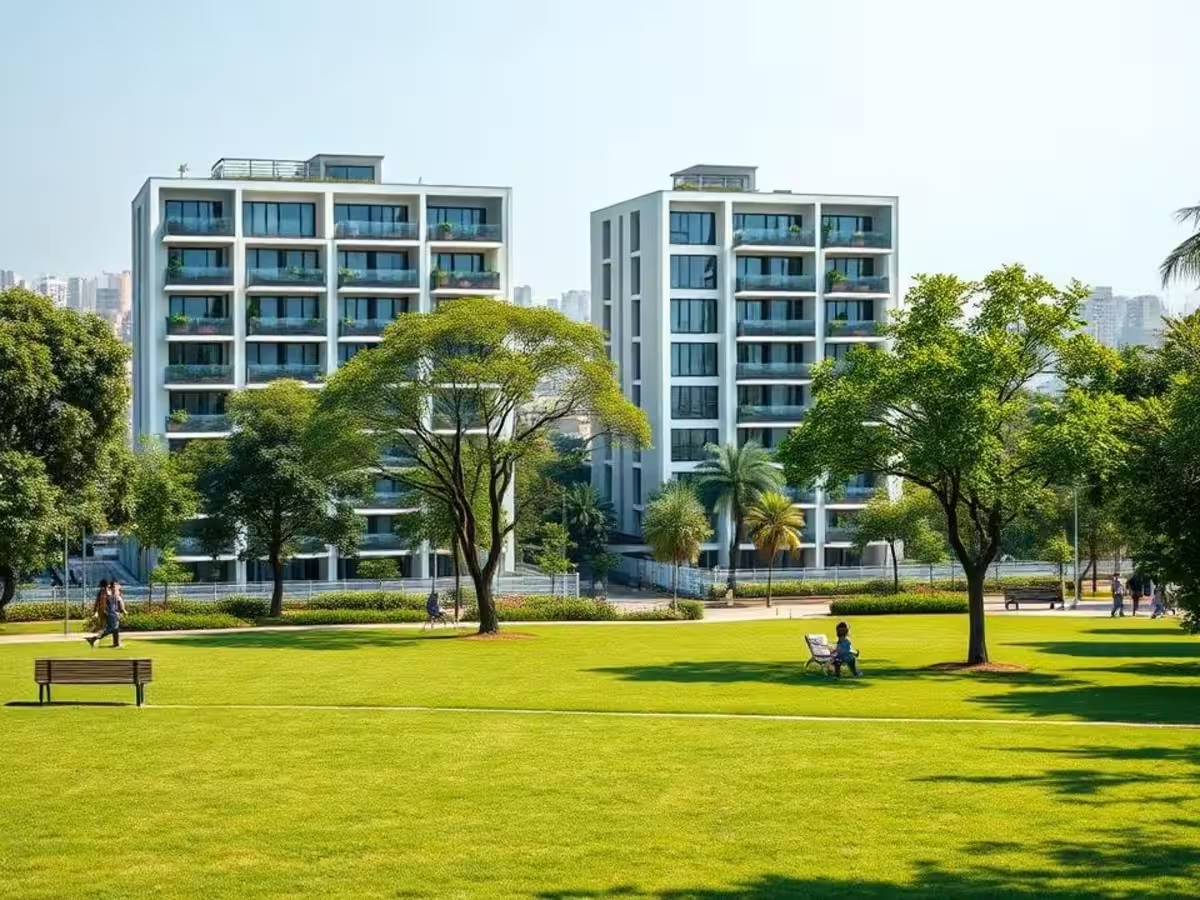
Urban economists believe sustained residential sales are closely linked to India’s ongoing infrastructure expansion. Metro rail projects, expressways, transit-oriented developments and improved civic amenities continue to influence buying decisions by opening new residential corridors around major cities. As connectivity improves, developers are increasingly launching projects in emerging urban districts that offer better affordability while maintaining access to employment centres. The strong Mahindra Lifespace sales bookings also reflect changing consumer expectations. Buyers today are placing greater emphasis on integrated residential communities that provide green open spaces, wellness facilities, digital infrastructure and access to schools, healthcare and public transport. This evolution has encouraged developers to move beyond conventional apartment construction towards more comprehensive urban neighbourhoods that support long-term liveability.
Urban planners, however, caution that strong sales performance should be accompanied by investments in sustainable infrastructure. Rapid residential expansion without corresponding improvements in water supply, public transport, drainage systems, waste management and public open spaces can place additional pressure on city administrations. Coordinated planning between developers and local authorities remains essential to ensure that housing growth supports resilient and inclusive urban development. Environmental specialists also highlight the importance of embedding sustainability into future residential projects. Energy-efficient building design, renewable energy integration, rainwater harvesting, wastewater recycling and climate-responsive landscaping are becoming increasingly important as Indian cities prepare for rising temperatures and more frequent extreme weather events. Such measures not only reduce environmental impacts but also improve long-term operational efficiency and quality of life for residents. Market observers believe the latest quarterly performance demonstrates continued resilience within India’s organised housing sector, even as economic conditions remain mixed. The outlook for residential real estate is expected to remain positive, supported by urbanisation, infrastructure investment and rising household incomes. Going forward, the sector’s success will increasingly depend on balancing commercial growth with environmentally responsible construction and citizen-focused urban planning that creates sustainable communities rather than isolated residential developments.