
HomeLatestIndia Metal Scrap Shapes Manufacturing Future

India Metal Scrap Shapes Manufacturing Future

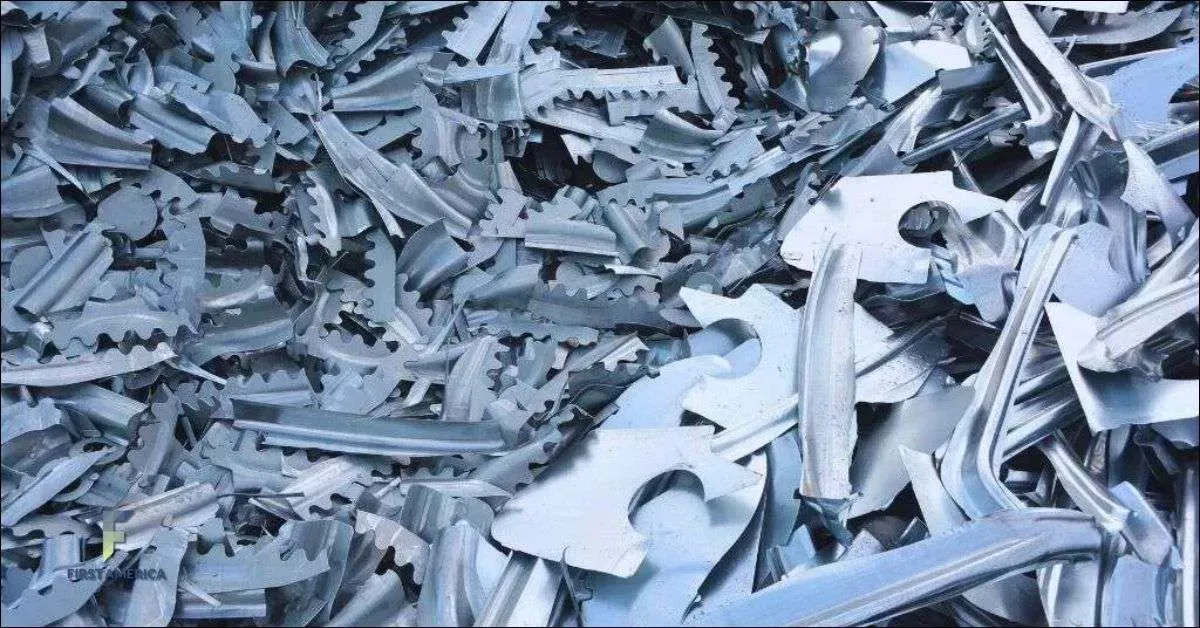
India’s next phase of industrial growth could increasingly be shaped by metal scrap recycling, as organised recovery and reuse of steel, aluminium and other metals gather pace amid rising infrastructure demand and tightening sustainability goals. Industry experts believe the shift marks a structural change in the country’s commodity ecosystem, where recycled materials are emerging as a strategic resource for manufacturing and urban development.

The transition comes as India’s expanding construction sector, transport networks and clean energy investments continue to drive demand for metals while placing greater emphasis on resource efficiency. Policymakers and manufacturers are increasingly viewing recycled raw materials as a means to reduce import dependence, lower production costs and improve environmental performance without compromising industrial growth.Analysts say metal scrap recycling is moving beyond its traditional role as an informal activity to become a more organised segment supported by modern processing facilities, improved collection systems and evolving regulatory frameworks. This transformation is expected to strengthen domestic supply chains while improving the availability of secondary raw materials for steelmakers, foundries and non-ferrous metal producers.Urban planners note that rapidly growing cities generate significant quantities of recoverable materials from demolished buildings, ageing infrastructure, vehicles and consumer products.

Efficient recycling systems can convert these waste streams into valuable industrial inputs, reducing pressure on landfills while limiting the need for fresh extraction of natural resources. Such practices are becoming increasingly important as cities pursue circular economy models that minimise waste and maximise material recovery.Industry specialists also highlight the economic implications. Greater use of recycled metals can help manufacturers reduce energy consumption because producing metals from scrap typically requires less energy than processing virgin ores. Lower energy intensity not only supports cost competitiveness but also contributes to reducing industrial emissions, an important consideration as India advances towards its long-term climate commitments.However, experts caution that achieving the full potential of metal scrap recycling will require stronger policy coordination. Investment in collection infrastructure, quality standards, digital tracking systems and formal recycling networks will be necessary to integrate informal operators into a safer and more efficient value chain. Improving logistics and expanding modern scrap-processing facilities are also expected to play a critical role in ensuring reliable supply for domestic manufacturers.

The growing importance of recycled materials is likely to influence multiple sectors, including construction, automotive manufacturing, renewable energy equipment and consumer goods production. A more organised recycling ecosystem could also create employment opportunities in material recovery, processing, logistics and environmental services, supporting inclusive economic development across urban and industrial regions.As India’s infrastructure pipeline continues to expand,the availability of sustainable raw materials will become increasingly important. Strengthening metal scrap recycling offers an opportunity to align industrial competitiveness with environmental responsibility by reducing waste, conserving natural resources and supporting lower-carbon manufacturing.The coming years are expected to test how effectively governments, industry and urban authorities can build an integrated circular economy that keeps valuable materials in productive use while supporting resilient cities and long-term economic growth.

Also Read : India Circular Metals Drive Urban Sustainability
India Metal Scrap Shapes Manufacturing Future
RELATED ARTICLES

LEAVE A REPLY

Please enter your comment!
Please enter your name here

- Advertisment -spot_img

Most Popular

Recent Comments

Punjab Steel Forging Plant Brings New Manufacturing Jobs

Punjab Steel Forging Plant Brings New Manufacturing Jobs

Punjab is set to strengthen its advanced manufacturing base with a ₹1,116 crore steel forging and machining facility planned in Ludhiana. The project, developed...
SAIL Steel Outlook Reflects Changing Infrastructure Demand

SAIL Steel Outlook Reflects Changing Infrastructure Demand

Steel Authority of India Limited (SAIL) is navigating a challenging quarter as softer steel prices weigh on market conditions, even as lower coking coal...
Bhilai Steel Plant Expansion Brings New Industrial Capacity

Bhilai Steel Plant Expansion Brings New Industrial Capacity

The Bhilai Steel Plant in Chhattisgarh is set for a major capacity expansion after Steel Authority of India Limited approved a plan to raise...

Shiva Cement Mining Expansion Raises Sustainability Focus

Shiva Cement Mining Expansion Raises Sustainability Focus

Shiva Cement mining expansion has moved into a new phase after the company secured approval to increase the scope of operations at one of...

Sagar Cements Update Reflects Infrastructure Momentum

Sagar Cements Update Reflects Infrastructure Momentum

Sagar Cements Q1 results have entered sharper focus after the company released the transcript of its post earnings interaction with analysts, offering investors greater...