HomeAluminiumIndia Aluminium Extrusion Demand Drives Urban Growth

India Aluminium Extrusion Demand Drives Urban Growth

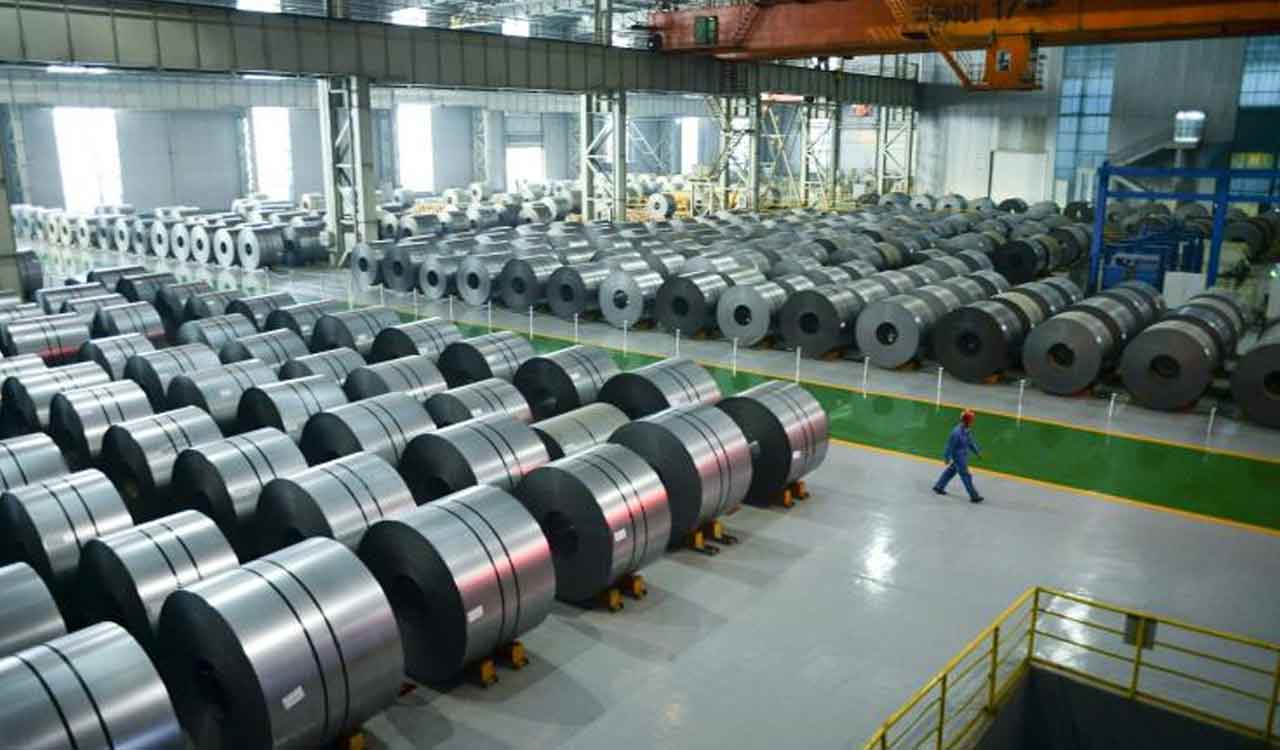
India’s aluminium extrusion market is poised for sustained expansion as demand from construction, transport, renewable energy and manufacturing sectors approaches 858,000 tonnes, reinforcing the metal’s growing role in the country’s urban transformation. The trend reflects changing material preferences across infrastructure projects, where lightweight, durable and recyclable products are increasingly supporting energy efficient buildings and modern mobility systems.

Industry assessments indicate that while China continues to dominate global aluminium extrusion production with the largest manufacturing capacity, India is steadily strengthening its domestic market as investment in housing, commercial real estate and public infrastructure gathers pace. Rising consumption is being driven by metro rail projects, airports, industrial parks, electric vehicles and the rapid deployment of solar energy installations, all of which require engineered aluminium components.
The Aluminium Extrusion Market has become an important indicator of broader economic activity because extruded aluminium products are widely used in window systems, façades, bridges, transmission infrastructure and industrial equipment. Urban planners note that the material offers advantages over conventional alternatives due to its corrosion resistance, lower weight and high recyclability, enabling developers to reduce maintenance requirements while improving energy performance in buildings.Market experts believe India’s projected demand reflects structural changes rather than short-term growth. Government investments in logistics corridors, affordable housing, urban transit networks and manufacturing clusters have expanded opportunities for domestic processors. At the same time, private real estate developers are adopting advanced building materials that support faster construction and improved operational efficiency.

Despite favourable demand, the sector faces several challenges. Manufacturers continue to navigate volatile aluminium prices, energy costs and competition from imports. Industry analysts also point to the need for greater investments in downstream processing, technology upgrades and recycling infrastructure to ensure domestic production keeps pace with rising consumption while maintaining international quality standards.The Aluminium Extrusion Market also has significant environmental implications. Aluminium can be recycled repeatedly with only a fraction of the energy required for primary production, making it an increasingly attractive material for climate-conscious construction and infrastructure. However, specialists caution that the sustainability benefits depend on expanding recycling networks, improving collection systems and increasing the use of renewable electricity in manufacturing operations.Urban economists suggest that India’s growing demand presents an opportunity to deepen domestic value addition rather than relying primarily on imported finished products. Strengthening local fabrication capabilities could generate employment, improve supply-chain resilience and support the country’s ambitions to become a global manufacturing hub while meeting the infrastructure requirements of rapidly growing cities.

China is expected to remain the world’s largest aluminium extrusion producer because of its scale and integrated industrial ecosystem. Nevertheless, India’s expanding domestic demand highlights the country’s emergence as one of the more significant growth markets, particularly as urbanisation, industrialisation and clean energy investments reshape material consumption patterns.Looking ahead, the pace of growth will depend on balanced policy support, continued infrastructure spending and greater adoption of circular economy practices. Ensuring that expanding aluminium demand is matched by efficient recycling, cleaner production technologies and responsible urban planning will be essential if the sector is to contribute to resilient, resource-efficient and low-carbon cities.

Also Read : India Aluminium Sector Faces Raw Material Challenge
India Aluminium Extrusion Demand Drives Urban Growth
RELATED ARTICLES

LEAVE A REPLY

Please enter your comment!
Please enter your name here

- Advertisment -spot_img

Most Popular

Recent Comments

Zuari Agro Chemicals Faces Softer Quarterly Demand

Zuari Agro Chemicals Faces Softer Quarterly Demand

Zuari Agro Chemicals reported a weaker financial performance for the opening quarter of the financial year, with revenue declining to around ₹6 billion as...
India Steel Strategy Shifts Towards Value Products

India Steel Strategy Shifts Towards Value Products

India’s largest steelmakers are increasingly looking beyond expanding crude steel output and are instead prioritising value added manufacturing to strengthen earnings and improve capital...
Uttar Pradesh Cement Capacity Expansion Supports Infrastructure

Uttar Pradesh Cement Capacity Expansion Supports Infrastructure

India’s cement manufacturing landscape has entered another phase of expansion after Birla Corporation increased its installed cement capacity to 21.4 million tonnes annually following...
India Steel Sector Gains Investment Grade Recognition

India Steel Sector Gains Investment Grade Recognition

India’s largest steel producer has secured a global investment-grade credit rating from Moody’s, a move expected to strengthen access to international capital as the...
India Office Leasing Driven By Large Occupiers

India Office Leasing Driven By Large Occupiers

India's commercial office market is witnessing a decisive shift towards larger workplace transactions, with high-value leasing deals accounting for a majority of office absorption...