HomeLatestTata Steel Strategy Supports Industrial Transition

Tata Steel Strategy Supports Industrial Transition

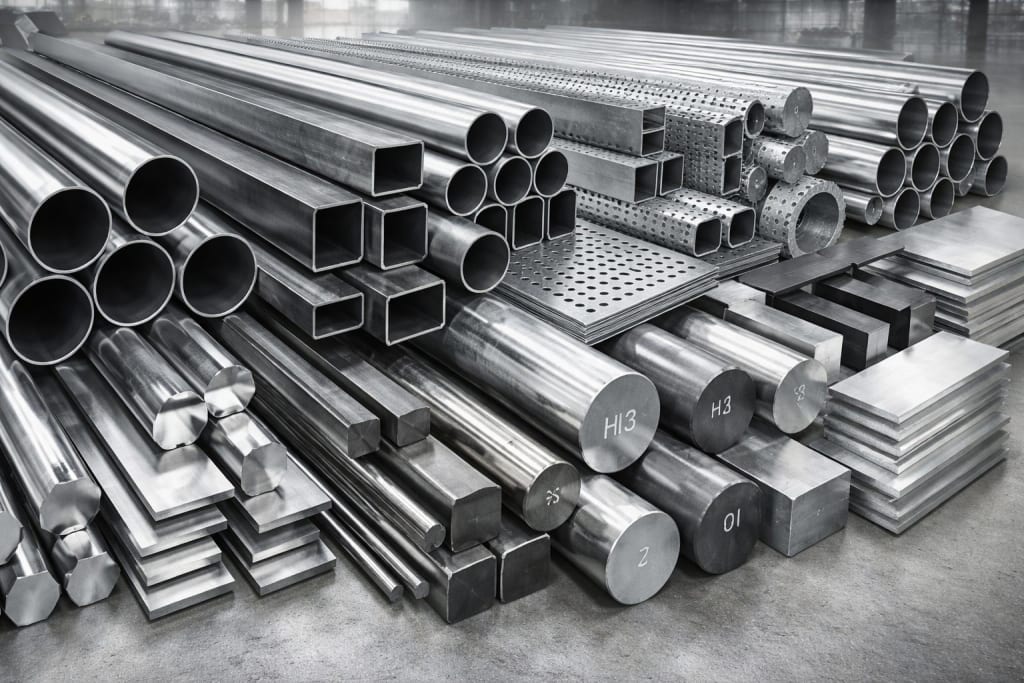
India’s largest steel producers are increasingly relying on domestic demand to offset uncertainty in overseas markets, with Tata Steel expansion plans in India emerging as a key pillar of its long term strategy. While economic pressures continue to affect Europe, the company is pushing ahead with capacity additions at home, reflecting confidence in India’s infrastructure pipeline and industrial growth.

The contrasting performance across regions highlights the changing geography of the global steel industry. Demand linked to highways, rail corridors, urban housing and manufacturing is keeping Indian operations relatively resilient even as slower industrial activity, trade uncertainties and elevated costs continue to challenge European steelmakers.Industry observers say the company’s investment priorities align with India’s broader infrastructure-led economic agenda. Large-scale public spending on transport networks, logistics parks, renewable energy projects and industrial corridors is expected to sustain steel consumption over the medium term. Such investments also support employment generation and strengthen supply chains that underpin urban expansion.The Tata Steel expansion programme comes at a time when domestic steel demand remains closely tied to government-backed capital expenditure and private investment in construction. Urban planners note that steel remains a critical material for resilient buildings, metro systems, bridges and clean energy infrastructure, making production capacity an important component of India’s long-term development ambitions.

However, industry experts caution that global volatility continues to pose risks. European operations face structural pressures arising from subdued manufacturing activity, energy costs and evolving trade dynamics.Companies operating across multiple geographies are therefore balancing capital allocation carefully while accelerating efficiency measures and operational improvements.Another important consideration is the steel sector’s transition towards lower-carbon manufacturing. As governments tighten environmental standards and customers increasingly seek greener materials, producers are under pressure to modernise plants, improve energy efficiency and reduce emissions.These investments are becoming as strategically significant as expanding production capacity itself, particularly for companies serving international markets.Market analysts believe India’s comparatively stronger economic outlook provides an opportunity for domestic steelmakers to strengthen their competitive position. Continued investments in transport infrastructure, affordable housing, industrial parks and renewable energy are expected to support stable steel demand despite fluctuations in global markets.

For cities, the implications extend beyond industrial output. Reliable domestic steel production can help improve supply security for critical infrastructure projects while supporting local manufacturing ecosystems. At the same time, experts emphasise that future growth must be accompanied by cleaner production technologies, resource efficiency and circular economy practices to ensure infrastructure development does not come at the expense of environmental sustainability.Looking ahead, the pace of infrastructure execution, private sector investment and progress towards decarbonising steel production will determine whether India’s manufacturers can maintain momentum while navigating an increasingly uncertain global economic landscape.

Also Read : Tata Steel Earnings Reflect Infrastructure Momentum
Tata Steel Strategy Supports Industrial Transition
RELATED ARTICLES

LEAVE A REPLY

Please enter your comment!
Please enter your name here

- Advertisment -spot_img

Most Popular

Recent Comments

UltraTech Cement Raises Funds For Infrastructure Growth

UltraTech Cement Raises Funds For Infrastructure Growth

India’s largest cement producer has approved the allocation of ₹5,000 crore through Non Convertible Debentures (NCDs), reinforcing a broader trend of using long term...
Kansai Nerolac Expands Paint Manufacturing Capacity

Kansai Nerolac Expands Paint Manufacturing Capacity

Kansai Nerolac Paints has approved a capital investment of ₹597 crore to expand its manufacturing capacity, signalling continued confidence in India’s long term demand...
India Steel Consumption Drives Urban Expansion

India Steel Consumption Drives Urban Expansion

India’s steel industry has entered a new phase of expansion, with both production and domestic demand reaching fresh highs as infrastructure construction, manufacturing and...
Jindal Stainless Profit Signals Stronger Steel Value

Jindal Stainless Profit Signals Stronger Steel Value

India’s stainless steel sector began the financial year with a mixed operational picture as Jindal Stainless reported higher quarterly profitability despite softer sales volumes,...
AMNS India Backs Corrosion Resistant Steel Growth

AMNS India Backs Corrosion Resistant Steel Growth

India’s rapid expansion of solar power capacity is drawing greater attention to the durability of the materials supporting renewable energy infrastructure, with industry stakeholders...