HomeLatestIndia Steel Consumption Drives Urban Expansion

India Steel Consumption Drives Urban Expansion

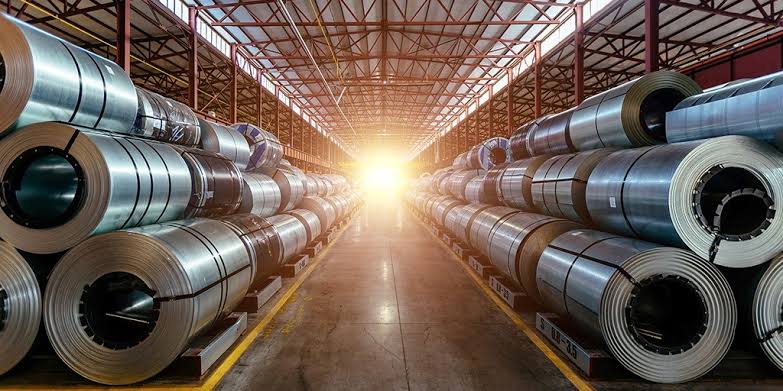
India’s steel industry has entered a new phase of expansion, with both production and domestic demand reaching fresh highs as infrastructure construction, manufacturing and urban development continue to gather pace. The trend reinforces the country’s position as one of the world’s fastest growing steel markets while highlighting the need to balance industrial growth with lower-carbon production.

Industry data indicates that India’s crude steel output has climbed to around 170 million tonnes, supported by sustained consumption across transport infrastructure, housing, industrial facilities and public works. Rising domestic demand has reduced dependence on volatile export markets and strengthened confidence in long-term investment across the steel value chain.The increase in India steel demand reflects the government’s continued focus on capital expenditure and large-scale infrastructure delivery. Metro rail systems, highways, logistics parks, renewable energy installations and affordable housing projects are creating steady demand for steel-intensive construction materials. Urban economists note that this investment cycle is supporting employment while improving the physical infrastructure required for expanding cities.Construction remains one of the largest consumers of steel, making the sector central to India’s urban transformation.As cities continue to accommodate growing populations, demand for resilient buildings, bridges, transit systems and utility networks is expected to remain strong. Industry experts believe that predictable domestic consumption provides manufacturers with greater stability despite uncertainties affecting global commodity markets.At the same time, analysts caution that rising production alone cannot define long-term success.

The steel industry remains among the country’s largest industrial emitters, placing greater emphasis on cleaner manufacturing technologies, improved energy efficiency and increased recycling. Investments in renewable energy, electric arc furnaces, waste heat recovery and circular resource management are increasingly viewed as essential for sustaining future growth.The rise in India steel demand also reflects broader industrial diversification. Manufacturing activity linked to automobiles, engineering goods, defence equipment and renewable energy components continues to expand, creating demand beyond conventional construction projects. This diversification may help reduce cyclical risks while strengthening domestic supply chains.Global trade conditions nevertheless remain a key variable. Fluctuating raw material prices, changing trade policies and competition from imported steel continue to influence pricing and investment decisions. Industry observers suggest that maintaining competitiveness will require productivity improvements alongside technological upgrades rather than relying solely on higher output.

Urban planners argue that the next stage of India’s infrastructure expansion should integrate sustainability into procurement and construction practices. Greater use of certified green steel, efficient design standards and recycled materials could reduce the environmental footprint of future urban projects without compromising development goals.Looking ahead, continued investment in infrastructure and manufacturing is expected to keep steel consumption on an upward trajectory. The challenge for policymakers and industry alike will be ensuring that expanding production is matched by cleaner technologies, resource-efficient processes and resilient supply chains capable of supporting India’s rapidly evolving urban economy.

Also Read : Steel Exchange India Governance Decisions Gain Focus
India Steel Consumption Drives Urban Expansion
RELATED ARTICLES

LEAVE A REPLY

Please enter your comment!
Please enter your name here

- Advertisment -spot_img

Most Popular

Recent Comments

UltraTech Cement Raises Funds For Infrastructure Growth

UltraTech Cement Raises Funds For Infrastructure Growth

India’s largest cement producer has approved the allocation of ₹5,000 crore through Non Convertible Debentures (NCDs), reinforcing a broader trend of using long term...
Kansai Nerolac Expands Paint Manufacturing Capacity

Kansai Nerolac Expands Paint Manufacturing Capacity

Kansai Nerolac Paints has approved a capital investment of ₹597 crore to expand its manufacturing capacity, signalling continued confidence in India’s long term demand...
Tata Steel Strategy Supports Industrial Transition

Tata Steel Strategy Supports Industrial Transition

India’s largest steel producers are increasingly relying on domestic demand to offset uncertainty in overseas markets, with Tata Steel expansion plans in India emerging...
Jindal Stainless Profit Signals Stronger Steel Value

Jindal Stainless Profit Signals Stronger Steel Value

India’s stainless steel sector began the financial year with a mixed operational picture as Jindal Stainless reported higher quarterly profitability despite softer sales volumes,...
AMNS India Backs Corrosion Resistant Steel Growth

AMNS India Backs Corrosion Resistant Steel Growth

India’s rapid expansion of solar power capacity is drawing greater attention to the durability of the materials supporting renewable energy infrastructure, with industry stakeholders...