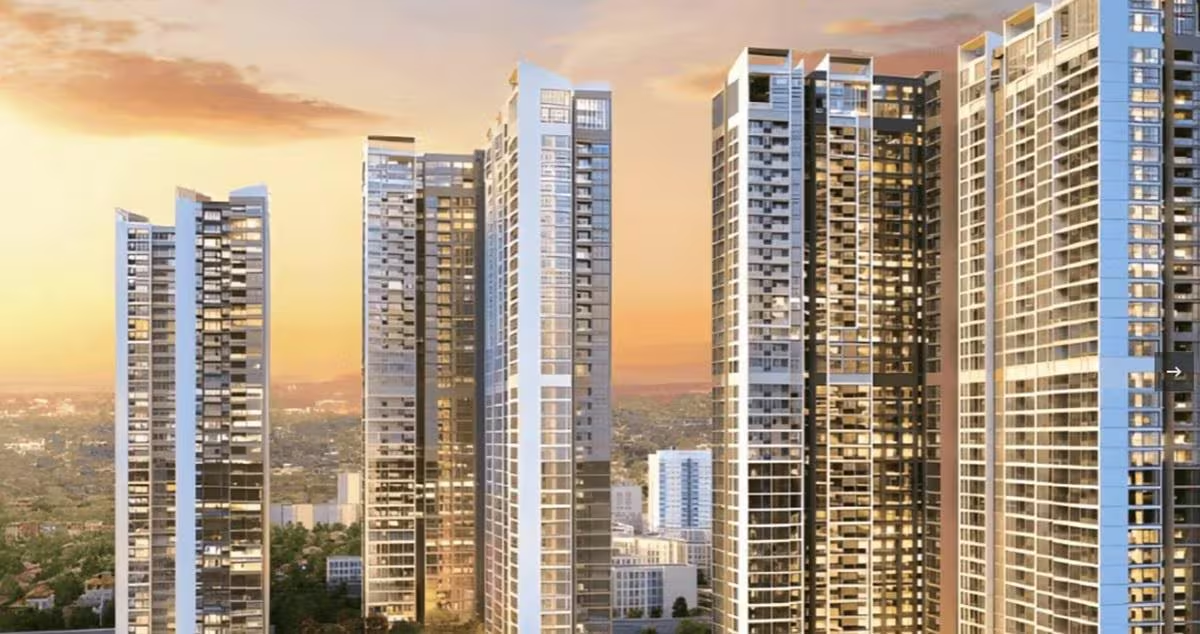
India’s organised senior housing sector is poised for another phase of expansion as a major real estate developer prepares to invest around ₹2,000 crore in a dedicated retirement community in Gurugram. The proposed development reflects the growing demand for age-friendly residential environments while highlighting the evolving role of senior living within India’s urban housing landscape.
The planned Gurugram senior living project is expected to introduce purpose-built homes supported by healthcare, wellness and community facilities designed specifically for older residents. Industry observers say the investment demonstrates increasing confidence in a segment that has traditionally remained underrepresented despite India’s rapidly ageing population and changing family structures. Urban demographers point out that rising life expectancy, increasing disposable incomes and a growing preference for independent lifestyles among senior citizens are reshaping residential demand. Retirement communities are no longer viewed solely as care facilities but are increasingly emerging as integrated neighbourhoods that prioritise accessibility, healthcare support, recreation and social interaction.
Experts believe Gurugram offers favourable conditions for such developments because of its strong healthcare ecosystem, expanding transport infrastructure and established residential market. The city’s proximity to the National Capital, international airport and specialised medical institutions has enhanced its attractiveness for retirees seeking long-term residential stability without sacrificing urban connectivity. The Gurugram senior living segment also reflects broader changes in India’s real estate industry, where developers are diversifying beyond conventional residential projects to address evolving demographic needs. Alongside luxury housing, rental accommodation and mixed-use developments, senior housing is gradually becoming a specialised asset class with long-term investment potential. Urban planners note that age-friendly communities contribute to more inclusive city development when supported by accessible public spaces, barrier-free mobility, reliable healthcare services and neighbourhood infrastructure designed for people with reduced mobility. Such projects can reduce dependence on institutional care while encouraging healthier, community-oriented lifestyles among elderly residents.
From an economic perspective, senior housing developments generate demand across healthcare, hospitality, facility management and wellness services, creating employment opportunities while supporting local businesses. However, specialists caution that future growth should not be limited to premium developments alone. Expanding affordable and middle-income senior housing will be equally important as India’s elderly population continues to increase over the coming decades. Environmental sustainability is also expected to become an important consideration in retirement communities. Experts recommend integrating energy-efficient buildings, rainwater harvesting, universal accessibility, green open spaces and climate-responsive design to improve resilience while enhancing residents’ wellbeing. Walkable neighbourhoods and reduced dependence on private vehicles can further contribute to healthier and lower-carbon urban environments. As India’s demographic profile evolves, the expansion of organised senior housing signals a wider transformation in residential planning. For Gurugram, investments in specialised retirement communities indicate that future urban growth will increasingly be shaped not only by population expansion but also by changing lifestyle preferences and the need for more inclusive housing solutions that accommodate citizens across every stage of life.