HomeBricks & MortarCementIndia Cement Industry Eyes Bigger Waste Role

India Cement Industry Eyes Bigger Waste Role

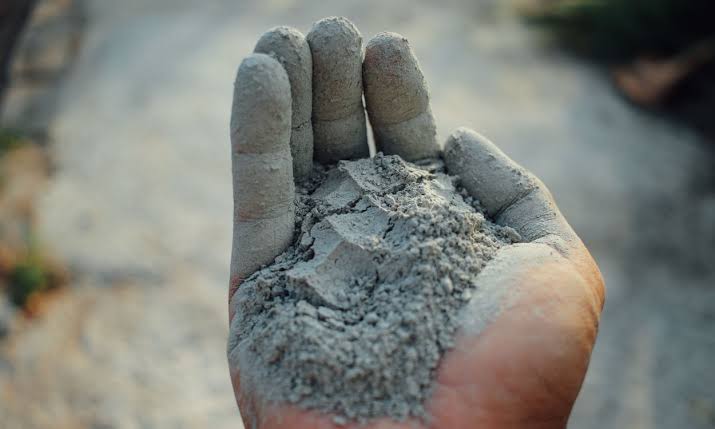
India’s cement industry has significant scope to replace coal and petcoke with processed waste, but weak supply chains, inconsistent fuel quality and uncertain economics are limiting adoption. The issue matters beyond cement plants: better use of waste could reduce landfill pressure while lowering the carbon intensity of construction materials needed for India’s expanding cities and infrastructure.

India generates tens of millions of tonnes of municipal and industrial waste each year, yet only a relatively small share is converted into usable fuel for heavy industry. A January 2026 decarbonisation roadmap from NITI Aayog identified stronger alternative-fuel supply chains as one of the key routes for reducing emissions from cement production.The central mechanism is thermal substitution. In simple terms, it measures how much of a kiln’s fossil-fuel energy is replaced by alternative fuels such as refuse-derived fuel, selected industrial waste, biomass and other processed materials.Recent industry estimates put India’s average thermal substitution rate below 5%, although some individual plants have achieved substantially higher levels.That gap highlights a problem that is partly technological but largely logistical.

Waste cannot simply be transferred from a municipal dump to a cement kiln. It needs to be segregated, dried, shredded, blended and tested so that its calorific value and chemical characteristics remain within operating limits. Without consistent processing facilities, cement manufacturers face risks to kiln stability, product quality and emissions control.The economics are equally important. Waste-derived fuels generally contain less usable heat per tonne than coal or petcoke, meaning considerably larger volumes are required for the same energy output. This makes transportation, storage and preprocessing costs critical to whether alternative fuels remain competitive. Industry assessments also point to the absence of transparent and widely accepted pricing benchmarks as a barrier to faster investment.For cities, the opportunity is closely tied to waste-management reform. NITI Aayog estimates that municipal solid waste generation could rise sharply over coming decades, increasing pressure on urban local bodies to collect, process and dispose of waste scientifically.

Expanding refuse-derived fuel markets could create an additional outlet for non-recyclable fractions, provided segregation and processing improve upstream.However, waste-to-fuel should not become a substitute for recycling, material recovery or stronger source segregation. Hazardous and contaminated streams also require stringent controls before industrial use. The next phase therefore depends on building reliable regional processing infrastructure, improving waste quality and establishing commercially viable supply arrangements.For a rapidly urbanising India, the test is whether waste can move higher up the resource hierarchy while cement production becomes less dependent on fossil fuels. That would connect cleaner construction with better municipal waste management rather than treating the two challenges separately.

Also Read : JK Cement Investor Meet Eyes Infrastructure Growth
India Cement Industry Eyes Bigger Waste Role
RELATED ARTICLES

LEAVE A REPLY

Please enter your comment!
Please enter your name here

- Advertisment -spot_img

Most Popular

Recent Comments

India Fertiliser Sector Moves Toward Cleaner Ammonia

India Fertiliser Sector Moves Toward Cleaner Ammonia

India is preparing to expand domestic green ammonia supplies for fertiliser manufacturers, with an additional annual procurement target of 1 million tonnes under consideration....
India Cements Board Role Raises Governance Questions

India Cements Board Role Raises Governance Questions

India Cements’ board structure is drawing attention as the Chennai based cement maker operates under a changed ownership and strategic landscape. Current board records...
Vedanta Aluminium Refinancing Brings New Growth Focus

Vedanta Aluminium Refinancing Brings New Growth Focus

Vedanta Aluminium’s reported $1.62 billion refinancing marks a significant shift in the financing of one of India’s largest aluminium operations, as the company prepares...
India Steel Industry Balances Growth With Cost Risks

India Steel Industry Balances Growth With Cost Risks

India’s primary steel producers are expected to preserve operating profitability at around ₹10,500–11,000 per tonne in FY27, despite rising input costs. The outlook reflects...
India Steel Demand Keeps Infrastructure Growth On Track

India Steel Demand Keeps Infrastructure Growth On Track

India is set to remain one of the world’s fastest-expanding steel markets in FY27, with domestic consumption expected to grow at a high single...