HomeBricks & MortarCementJK Lakshmi Cement Results Test Construction Demand

JK Lakshmi Cement Results Test Construction Demand

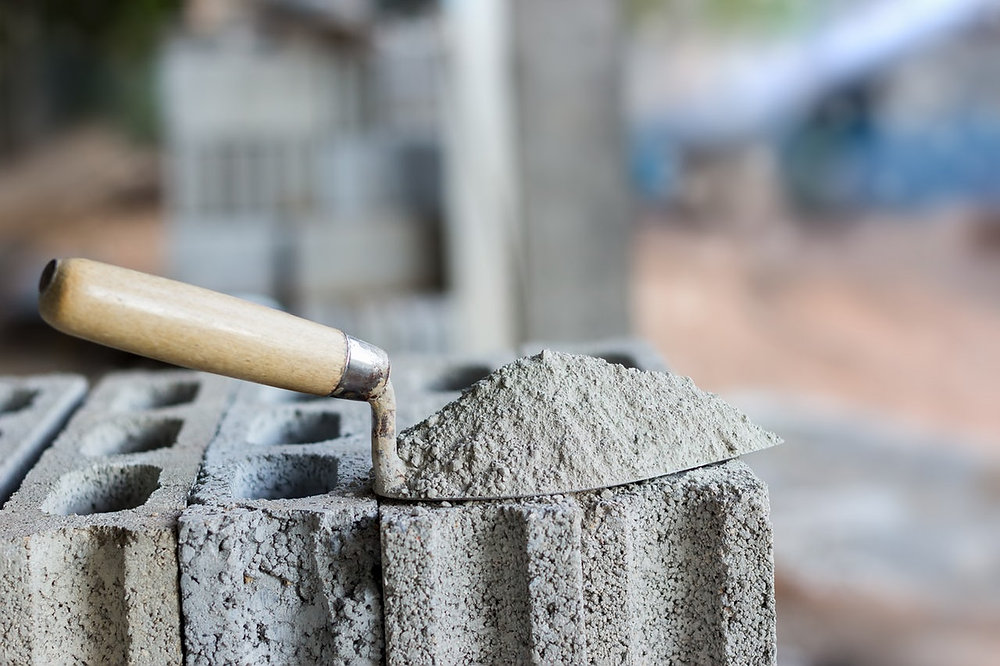
JK Lakshmi Cement’s first-quarter FY27 performance shows how stronger construction demand is not necessarily translating into higher profitability for cement producers. Revenue increased during April-June, supported by higher cement sales, but consolidated profit declined about 28% year-on-year. The result highlights the pressure facing building-material suppliers as fuel, logistics and other operating costs continue to shape the economics of India’s infrastructure and real-estate expansion.

The company’s consolidated revenue from operations rose to roughly ₹1,684 crore during the quarter, while profit after tax fell to about ₹80 crore. Cement and clinker sales were higher than a year earlier, indicating that underlying demand remained positive even as earnings weakened.For the JK Lakshmi Cement results, the key issue is the widening gap between volume growth and profitability. Cement is a high-volume, low-margin material, so even modest changes in realisation, energy prices or freight costs can materially affect earnings. Higher sales therefore offer limited protection when cost pressures or weaker pricing absorb the additional revenue.That dynamic matters beyond corporate balance sheets.Cement is a basic input for roads, housing, bridges, water systems, industrial buildings and urban transport. When manufacturers face sustained margin compression, their ability to invest in new capacity, modernise plants and improve efficiency can also come under pressure.

Conversely, sharp increases in cement prices can raise construction costs for developers and public agencies.The quarter also reinforces the importance of energy efficiency. Cement manufacturing requires substantial heat and electricity, with fossil fuels remaining important to the production process. Waste-heat recovery, renewable power, alternative fuels and improved clinker efficiency can reduce energy exposure while lowering emissions. These measures are becoming increasingly relevant as India expands infrastructure while seeking to reduce the carbon intensity of construction.Demand conditions remain an important counterweight. India’s ongoing public infrastructure programme, urban housing requirements and private construction activity provide a relatively broad base for cement consumption. Yet regional differences remain significant, and the benefits of volume growth can vary depending on local pricing, freight distances and competitive intensity.

For the JK Lakshmi Cement results, the immediate message is therefore mixed. Higher sales point to continuing demand for construction materials, but weaker profit shows that demand alone does not guarantee healthy economics. The broader cement industry faces the same balancing act: expand supply to support urbanisation while controlling energy, logistics and environmental costs.For cities, the outcome ultimately matters through project affordability. Reliable cement supplies are essential, but so is an industry capable of investing in cleaner production and efficient distribution. As infrastructure spending continues, the next phase of cement-sector growth will be judged not only by tonnes sold, but by whether construction can become more affordable, resilient and less carbon-intensive.

Also Read : India Cement Growth Faces Rising Input Costs
JK Lakshmi Cement Results Test Construction Demand
RELATED ARTICLES

LEAVE A REPLY

Please enter your comment!
Please enter your name here

- Advertisment -spot_img

Most Popular

Recent Comments

India Steel Operations Draw New GST Attention

India Steel Operations Draw New GST Attention

A ₹51.23 crore GST intimation issued to a Vedanta group iron and steel subsidiary has brought tax compliance back into focus for India’s resource...
India Cement Growth Faces Rising Input Costs

India Cement Growth Faces Rising Input Costs

India’s cement market is showing a widening gap between physical demand and financial performance, with The Ramco Cements reporting a sharp profit decline in...
India Metal Exports Rise With Clean Energy Trade

India Metal Exports Rise With Clean Energy Trade

India’s metal-processing exports are gaining traction as global investment in electric vehicles, power grids, renewable energy equipment and industrial electrification increases demand for copper,...
India Chemical Sector Enters A New Industrial Phase

India Chemical Sector Enters A New Industrial Phase

India’s chemicals and petrochemicals industry is becoming a larger pillar of the country’s manufacturing economy, with production, industrial clusters and supporting infrastructure expanding over...
India Steel Sector Faces A Cleaner Growth Test

India Steel Sector Faces A Cleaner Growth Test

India’s steel industry closed FY26 with crude steel production of about 168.4 million tonnes, marking a 10.7% increase from the previous year, as infrastructure,...