HomeBricks & MortarCementMansa Cement Plant Faces Fresh Village Resistance

Mansa Cement Plant Faces Fresh Village Resistance

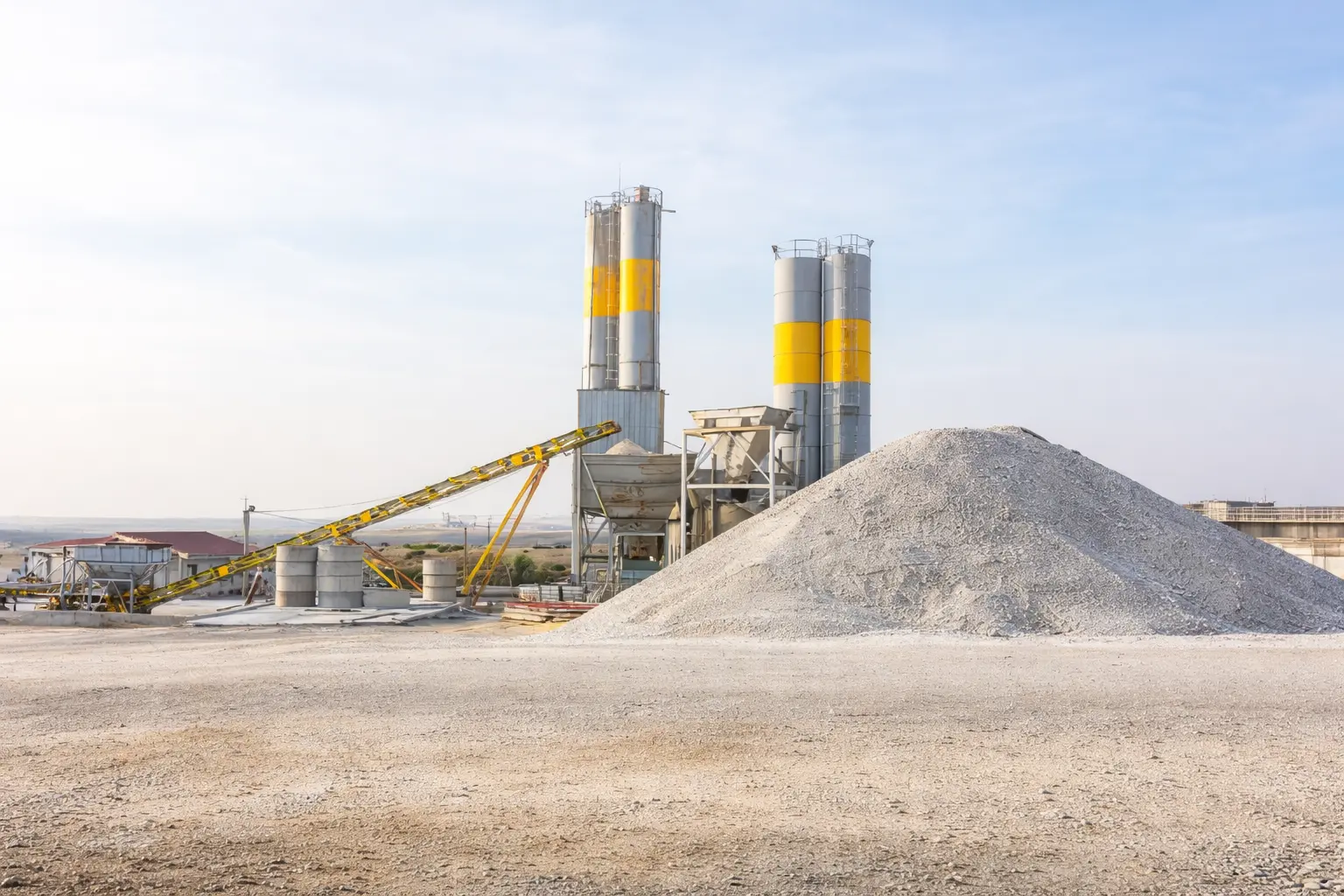
A proposed cement project in Punjab’s Mansa district has hit another procedural pause after villagers and farmer representatives protested against an administrative meeting convened to discuss the project. The meeting was deferred indefinitely on August 13, adding a fresh layer of uncertainty to a development that has already faced resistance over environmental and social concerns in Talwandi Aklia and Karamgarh Autanwali.

The meeting at the Zila Parishad Complex was intended to bring together government departments, village representatives and the project’s representatives to understand the competing claims surrounding the proposal. Residents from the affected villages declined to participate and instead submitted a memorandum opposing the project. The district administration subsequently postponed the meeting until further orders.The dispute is not new. In July 2025, a public hearing conducted as part of the environmental clearance process saw substantial opposition from residents of Talwandi Aklia and Karamgarh Autanwali. The proposed facility, associated with JSW Cement, was planned with a capacity of about six million tonnes a year, including two 3-million-tonne production units and a separate grinding unit across roughly 19 hectares.That history makes the latest postponement more significant than a routine administrative delay.

A cement plant can bring industrial employment, local procurement and additional construction-material supply, but it can also alter land use, traffic patterns and the environmental burden borne by neighbouring settlements. For agricultural communities, those changes are particularly sensitive where industrial development intersects with productive farmland and established rural livelihoods.The project’s environmental pathway is therefore central to the debate. Under India’s environmental-clearance framework, projects of this nature must undergo regulatory scrutiny before construction can proceed. Public hearings are intended to provide affected communities an opportunity to raise concerns and place local knowledge on record. The Mansa dispute illustrates why that process can become consequential when residents believe development decisions are moving faster than local consultation.The wider question is how Punjab can attract industrial investment without weakening confidence among communities that carry the immediate environmental and infrastructure costs.

Cement demand is likely to remain linked to housing, roads and public works, but capacity expansion also increases the need for efficient freight movement, emissions controls, water stewardship and responsible land-use planning.For Mansa, the next stage will depend on whether authorities can create a credible forum where project benefits, environmental safeguards and community objections are assessed transparently. The Mansa cement plant will therefore remain as much a test of local consent and planning quality as of industrial capacity. The Mansa cement plant debate also points to a broader challenge for Punjab: building industrial infrastructure while protecting the resilience and economic security of communities surrounding it.

Also Read : UltraTech Cement Stake Sale Tests Investor Confidence
Mansa Cement Plant Faces Fresh Village Resistance
RELATED ARTICLES

LEAVE A REPLY

Please enter your comment!
Please enter your name here

- Advertisment -spot_img

Most Popular

Recent Comments

Maharashtra Steel Expansion Brings New Jobs To Chandrapur

Maharashtra Steel Expansion Brings New Jobs To Chandrapur

Chandrapur is set to become the proposed site of a 9-million-tonne-per-year integrated steel complex after Shyam Metalics and Energy signed a non-binding agreement with...
Sobha Expands Residential Sales Across Bengaluru And NCR

Sobha Expands Residential Sales Across Bengaluru And NCR

Bengaluru-based Sobha Limited recorded ₹5,862 crore in housing sales during the first half of FY27, up 47.2% from a year earlier, as new launches...
Mumbai Housing Boom Tests Urban Affordability

Mumbai Housing Boom Tests Urban Affordability

Mumbai’s residential market is becoming an increasingly important measure of how India’s housing economy is changing. The Mumbai Metropolitan Region accounted for 34% of...

India’s Tier 2 Cities Push Plotted Developments

India’s Tier 2 Cities Push Plotted Developments

India’s residential land market is moving beyond its traditional metropolitan centres, with Tier-2 cities becoming a major source of organised plotted housing supply. More...

Kolkata Real Estate Gains Focus In Bengal Revival

Kolkata Real Estate Gains Focus In Bengal Revival

Kolkata: West Bengal is looking to use real estate and urban redevelopment as a wider economic lever, with the state seeking changes to legacy...