HomeLatestIndia GCC Expansion Could Reshape Smaller Cities

India GCC Expansion Could Reshape Smaller Cities

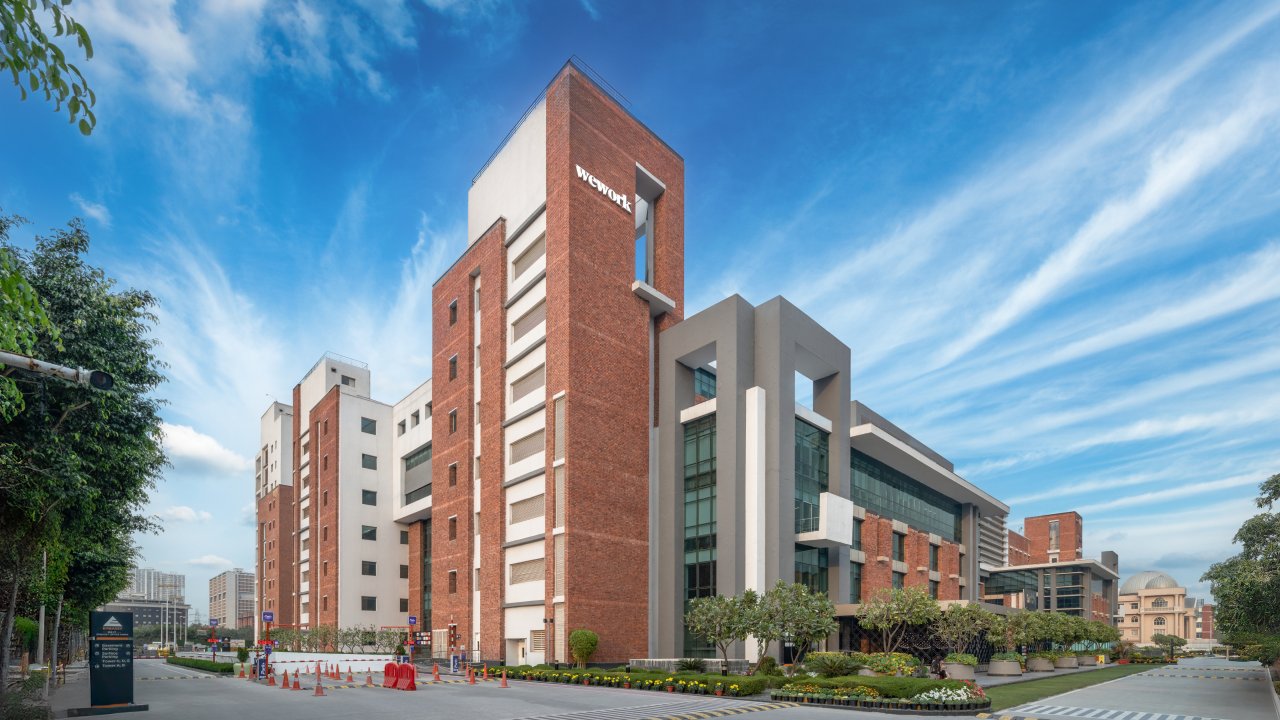
India’s Global Capability Centre ecosystem is entering a broader geographic phase, with companies expected to establish nearly 1,380 new centres and generate about 1.18 million jobs by 2029–31. The emerging GCC expansion is increasingly reaching tier-II and tier-III cities, potentially spreading high-value employment, office investment and technology activity beyond India’s established metropolitan hubs.

The shift comes as the country’s GCC network becomes more sophisticated. These centres increasingly support engineering, analytics, artificial intelligence, cybersecurity, research and product development rather than serving only as back-office operations. India already has more than 2,100 GCCs, employing around 2.36 million professionals, according to recent government-linked industry data.Yet the geography remains heavily concentrated. Around 94% of the GCC workforce is still located in tier-I cities, including Bengaluru, Hyderabad, Chennai, Delhi-NCR, Mumbai and Pune. That concentration has created pressure on office rents, housing, commuting networks and urban infrastructure, while also intensifying competition for specialised talent. The emerging GCC expansion offers companies a way to diversify operations while accessing less saturated labour markets.Cities such as Ahmedabad, Coimbatore, Jaipur, Kochi, Kolkata and Mysuru are increasingly being considered alongside the established centres. Lower operating costs are one attraction, but cost alone is unlikely to sustain the next wave.

Reliable electricity, high-speed digital connectivity, airports and rail links, quality office stock, education systems and liveable neighbourhoods will determine whether emerging locations can retain skilled workers.This creates an important urban-development opportunity. A successful GCC expansion could bring better-paid employment closer to regional talent pools, reducing the need for workers to relocate to the largest metros. It could also support demand for offices, housing, retail and local services, giving secondary cities a stronger economic base.But rapid corporate growth can create its own infrastructure deficit. New office districts can increase pressure on roads, water systems, housing and public transport if urban planning lags behind employment growth. Rising land values may also push lower-income residents towards peripheral areas, increasing commute times and weakening the very liveability that makes smaller cities attractive.State-level GCC policies are now becoming an important competitive tool, with governments offering incentives and infrastructure support to attract investment.

Industry research indicates that geographic diversification is becoming part of corporate resilience strategies, rather than simply a cost-saving exercise.For the GCC expansion to produce durable regional benefits, however, incentives will need to be matched by public investment. Affordable housing, mass transit, reliable utilities, skills development and climate-resilient infrastructure should grow alongside office demand.India’s next GCC cycle could therefore become more than a commercial real-estate story. If planned well, it could distribute high-value economic opportunity across a wider network of cities. If infrastructure is treated as an afterthought, the same expansion could reproduce the congestion and affordability pressures already confronting the country’s largest urban centres.

Also Read : Delhi Real Estate Enters A New Density Era
India GCC Expansion Could Reshape Smaller Cities
RELATED ARTICLES

LEAVE A REPLY

Please enter your comment!
Please enter your name here

- Advertisment -spot_img

Most Popular

Recent Comments

Delhi Real Estate Enters A New Density Era

Delhi Real Estate Enters A New Density Era

Delhi’s proposed Master Plan 2047 could alter the economics of land and housing by allowing greater development intensity around transit corridors, enabling redevelopment and...
India Housing Costs Rise As Valuations Change

India Housing Costs Rise As Valuations Change

India’s property market is being shaped by an administrative benchmark that rarely attracts attention until a home is bought or sold. Circle rates, the...
NCR Real Estate Seeks Consistent Project Relief

NCR Real Estate Seeks Consistent Project Relief

Delhi-NCR’s construction sector is seeking a common regulatory response to delays linked to the continuing West Asia conflict, with developers asking regulators in Delhi,...
India Chemicals Sector Targets A Bigger Global Role

India Chemicals Sector Targets A Bigger Global Role

India’s chemicals industry is being positioned for a much larger role in global manufacturing, but reaching that scale will depend on closing gaps in...
DMCC Speciality Chemicals Sees Uneven Demand Recovery

DMCC Speciality Chemicals Sees Uneven Demand Recovery

DMCC Speciality Chemicals has entered the new financial year with a mixed operating picture, as stronger domestic demand and improving chemical realisations offset weaker...