HomeMarket AnalysisBangaloreEpsilon Advances Graphite Anode Manufacturing in Karnataka

Epsilon Advances Graphite Anode Manufacturing in Karnataka

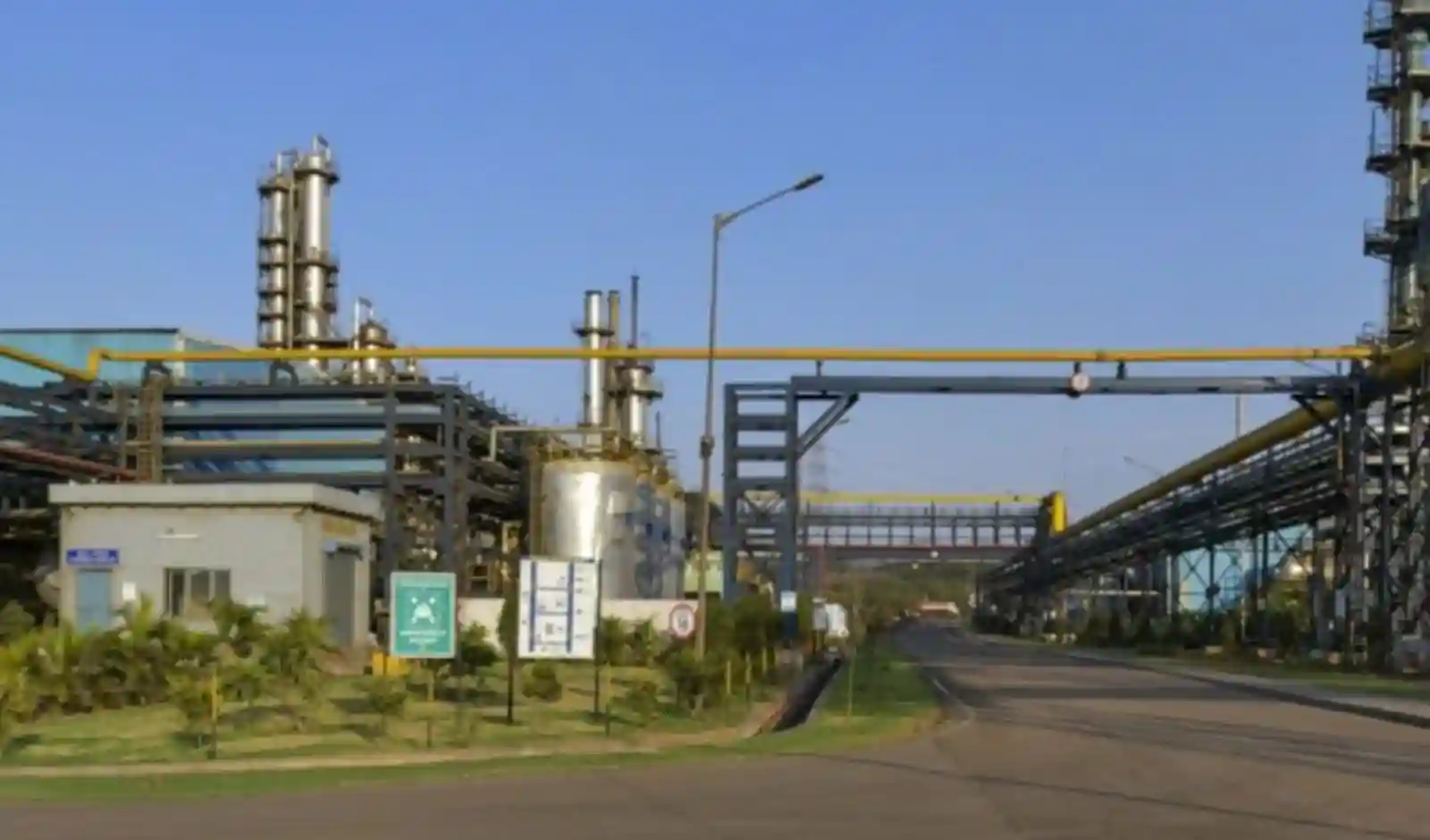
India’s push to localise battery manufacturing has gained another boost after Epsilon Advanced Materials received ₹145 crore in capital expenditure support under the Electronics Components Manufacturing Scheme (ECMS). The funding will support its graphite anode project in Karnataka, a move that could strengthen domestic supply chains for electric vehicles, energy storage and electronics while reducing exposure to imported battery materials.

The approved support represents 25% of the project’s eligible capital investment. Graphite anodes are a key part of lithium-ion batteries, making their local production increasingly important as India expands electric mobility and stationary energy storage. The project is centred on Epsilon’s existing operations at Vijayanagar in Karnataka, where the company has commissioned a customer qualification facility for graphite anode materials. It now plans to move towards larger-scale production, with capacity targeted at 30,000 tonnes a year before a proposed second-stage expansion to 100,000 tonnes. For cities and industrial regions, the significance extends beyond battery production. Large manufacturing projects create demand for power, water, transport, logistics, skilled workers and supporting industrial infrastructure. The quality and sustainability of that infrastructure will determine how much local economic value is created without adding disproportionate pressure on surrounding communities and resources.

The development also fits within the broader objective of the ECMS, which was introduced to build domestic electronics component capacity and connect Indian manufacturers more closely with global supply chains. MeitY says the scheme uses capital expenditure, turnover-linked and hybrid incentives across eligible component categories. There is no direct RERA component to the project. The Real Estate (Regulation and Development) Act applies to qualifying real-estate projects and does not regulate industrial battery-material manufacturing itself. However, as industrial investment expands around Karnataka’s manufacturing corridors, land-use planning, worker housing, transport access and civic infrastructure will become important urban-development considerations. The environmental footprint of graphite anode manufacturing will also warrant attention as capacity grows. Energy demand, industrial water use, waste management and freight movement can influence the resilience of nearby industrial and residential areas.

Epsilon has reported measures including wastewater reuse, recovered energy and renewable power use at its operations, although such claims remain best assessed through ongoing environmental performance reporting. Industry analysts expect India’s demand for locally produced anode materials to rise sharply as battery-cell manufacturing expands. One recent sector assessment estimates domestic anode demand could reach roughly 150,000 tonnes annually by FY2030. The immediate question is therefore not only how quickly graphite anode manufacturing capacity can be added, but whether supporting infrastructure, resource efficiency, skilled employment and local supply networks can expand at a comparable pace. That balance will shape the wider economic and environmental value of India’s battery-manufacturing push.

Also Read: Walplast Investment Broadens India Construction Solutions
Epsilon Advances Graphite Anode Manufacturing in Karnataka
RELATED ARTICLES

LEAVE A REPLY

Please enter your comment!
Please enter your name here

- Advertisment -spot_img

Most Popular

Recent Comments

Bengaluru Office Rents Rise as RERA Rules Matter

Bengaluru Office Rents Rise as RERA Rules Matter

Bengaluru, Mumbai and Delhi-NCR are seeing firm rental growth in prime office space, signalling that demand for well-located, high-quality workplaces continues to outpace available...
India Materials Market Moves Towards Greener Construction

India Materials Market Moves Towards Greener Construction

India’s building materials industry is entering a more regulated phase as housing, infrastructure and urban redevelopment keep construction demand elevated. A market estimate puts...
Walplast Investment Broadens India Construction Solutions

Walplast Investment Broadens India Construction Solutions

NEW DELHI: Walplast Products Pvt. Ltd. has expanded its construction-materials portfolio through a strategic majority investment in Vura Bau Chemie LLP, adding specialised stone-care...
India Builders Shift Towards Higher Material Performance

India Builders Shift Towards Higher Material Performance

India’s construction materials market is entering a more performance-led phase as premium housing, infrastructure spending and rising buyer expectations reshape procurement decisions. The shift...
Chennai Housing Market Draws RERA Buyer Attention

Chennai Housing Market Draws RERA Buyer Attention

Chennai’s apartment market accelerated sharply in the first half of 2026, with sales rising 27% year-on-year to 8,587 units, while housing values increased 13%,...