HomeBricks & MortarIndia Cement GST Cut Reshapes Construction Choices

India Cement GST Cut Reshapes Construction Choices

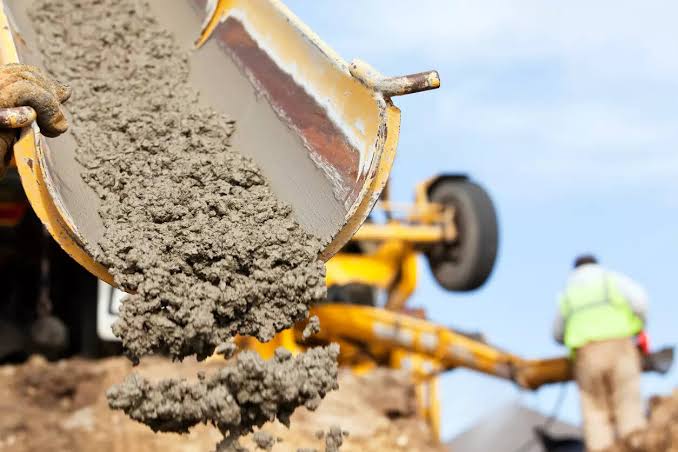
India’s cement market is seeing a change in buying patterns after the GST rate on cement was reduced from 28% to 18%, with the lower tax easing the upfront cost of construction materials. The bigger effect so far appears to be on product choice rather than a sharp increase in cement consumption, keeping housing, infrastructure spending and project execution central to future demand.

The tax change took effect on September 22, 2025. At prevailing prices, the reduction lowered the tax-inclusive cost by about 7.8%, or roughly ₹25 for a 50-kg bag. Manufacturers largely passed the benefit to buyers, while the all-India trade price fell by around ₹23 a bag in September 2025 to about ₹345. By August 2026, the average price had moved back towards ₹360.For households building or renovating homes, the saving can reduce material costs, but cement represents only one component of the total construction bill. Labour, steel, land, transport and financing costs remain important. This limits the ability of the cement GST cut to independently trigger a major rise in construction activity, particularly when project timelines and seasonal disruptions continue to influence demand.

Industry volumes nevertheless expanded by about 8% in FY26. Analysts attributed that growth to a combination of housing activity, infrastructure investment and a favourable comparison base, rather than the tax change alone. Demand growth is expected to moderate to about 6–7% in FY27, suggesting that the cement GST cut is working more as an affordability support than as a standalone volume driver. One notable shift is towards higher-value cement products. With the effective consumer price reduced, some buyers have had greater room to choose products positioned around performance and quality. That could influence construction outcomes where material durability matters, although affordability remains critical for lower-income households and smaller projects.

The benefit has also been less straightforward for manufacturers. Cement prices are shaped by regional competition and supply-demand conditions, while production remains exposed to energy and logistics costs. Industry assessments indicate that imported petcoke prices have risen substantially, packaging costs have increased and freight has faced pressure from higher diesel prices. Power and fuel alone account for roughly 30% of manufacturing costs.For cities, the significance extends beyond cement sales. Lower material costs can support housing delivery and infrastructure construction, but sustained affordability will depend on the wider cost of building and the pace at which projects are executed. Future demand will therefore hinge on productive public investment, housing requirements, material efficiency and the ability of construction markets to absorb rising input costs without weakening access to essential development.

Also Read : India Green Cement Adoption Rises Amid Industrial Cost Pressures
India Cement GST Cut Reshapes Construction Choices
RELATED ARTICLES

LEAVE A REPLY

Please enter your comment!
Please enter your name here

- Advertisment -spot_img

Most Popular

Recent Comments

JSW Dulux Share Split Sets New Retail Entry Point

JSW Dulux Share Split Sets New Retail Entry Point

JSW Dulux is set to implement a 1:10 equity share subdivision after shareholders approved the proposal, with October 22, 2026 fixed as the record...

Shalimar Paints Targets Premium Homes With Cooler Exteriors

Shalimar Paints Targets Premium Homes With Cooler Exteriors

Shalimar Paints has introduced a two-part exterior coating system aimed at premium housing, bringing waterproofing, heat management and decorative performance into a single application...
Ludhiana Steel Prices Put MSME Growth Under Pressure

Ludhiana Steel Prices Put MSME Growth Under Pressure

Ludhiana’s manufacturing base is facing renewed cost pressure as sharp steel price movements and reported supply constraints unsettle industries that depend heavily on the...
Tata Steel Sees Private Investment Broadening Across India

Tata Steel Sees Private Investment Broadening Across India

Private investment is showing wider signs of recovery across manufacturing, construction, technology and infrastructure, according to observations shared at the 53rd National Management Convention...
India Steel Prices Push Construction Costs Higher

India Steel Prices Push Construction Costs Higher

India’s steel market has entered a period of renewed cost pressure, with flat steel prices reaching levels last seen in 2022 as expensive coking...