HomeBricks & MortarIndia Orders Captive Coal Plants to Boost Grid Supply

India Orders Captive Coal Plants to Boost Grid Supply

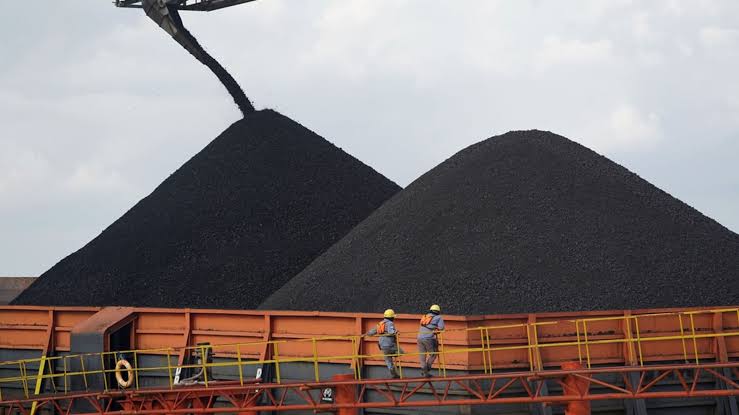
India is turning to its industrial captive power base as electricity demand remains unusually high for September, with 112 coal-based generating stations ordered to maximise available output from October 1 to December 31. The move could strengthen short-term grid supply, but it also exposes the pressure created by weak rainfall, tight coal inventories and continued dependence on fossil generation.

The captive coal plants covered by the September 25 order have installed capacity of at least 50 MW and supply electricity primarily to industrial operations. The Ministry of Power has invoked Section 11 of the Electricity Act, which permits directions to generators during extraordinary circumstances. The affected facilities span steel, aluminium, cement, petroleum and other energy-intensive industries.  The timing reflects a power system under unusual stress. India’s peak demand reached 269 GW on September 10, the highest September level recorded, only slightly below the 270 GW peak recorded earlier in the year. Electricity consumption has also remained elevated as high temperatures increase cooling requirements while deficient rainfall raises irrigation demand. 

Weather conditions are adding another layer of complexity. El Niño-linked rainfall deficits have reduced hydropower availability, increasing the system’s reliance on thermal generation. Hydropower generation between April and September 9 was down 10.85% year on year, while coal-based generation rose 10.64% over the same period. This shifts more responsibility towards coal precisely when fuel stocks at many plants are under pressure.  For cities and industrial regions, the immediate issue is reliability. Power shortages can affect manufacturing, water pumping, transport systems, commercial buildings and household cooling. The government has therefore directed captive coal plants to offer electricity left after their own consumption through power exchanges. Weekly reporting to the Central Electricity Authority will cover generation, captive use, electricity sales, available capacity and coal stocks. 

Yet the intervention also highlights a longer-term infrastructure challenge. Increasing temperatures and changing rainfall patterns can push electricity demand higher while simultaneously weakening some conventional sources of flexibility. A power strategy centred on emergency thermal generation may provide short-term capacity, but urban resilience increasingly depends on diversified generation, stronger grids, efficient buildings, storage and demand management. The three-month directive will therefore test more than industrial generation. It will show how effectively India can balance immediate electricity security with fuel availability, environmental pressures and the need for a more resilient, lower-carbon urban energy system.

Also Read : Andhra Pradesh Clears Land for Cement Expansion
India Orders Captive Coal Plants to Boost Grid Supply
RELATED ARTICLES

LEAVE A REPLY

Please enter your comment!
Please enter your name here

- Advertisment -spot_img

Most Popular

Recent Comments

Odisha Steel Capacity Set to Reshape Industrial Growth

Odisha Steel Capacity Set to Reshape Industrial Growth

Odisha is preparing for a major expansion of its metals economy, with officials projecting installed steel capacity could reach 150–180 million tonnes within five...

SAIL Coking Coal Project Links West Bengal Blocks

SAIL Coking Coal Project Links West Bengal Blocks

Steel Authority of India Ltd (SAIL) and Bharat Coking Coal Ltd (BCCL) have agreed to jointly develop two adjoining coking coal blocks in West...

India Steel Output Gains As Global Production Slips

India Steel Output Gains As Global Production Slips

India’s steel industry continued to expand in August even as global crude steel production contracted, highlighting the country’s growing role in the international steel...

Andhra Pradesh Clears Land for Cement Expansion

Andhra Pradesh Clears Land for Cement Expansion

Andhra Pradesh has approved 250 acres for the expansion of an integrated cement facility in YSR Kadapa district, enabling planned production capacity to reach...

Global White Cement Demand Shifts With Urban Design

Global White Cement Demand Shifts With Urban Design

The global white cement market is set for steady expansion through 2035 as architectural concrete, terrazzo, tile finishes and precast construction widen demand. The...