HomeBricks & MortarSAIL Coking Coal Project Links West Bengal Blocks

SAIL Coking Coal Project Links West Bengal Blocks

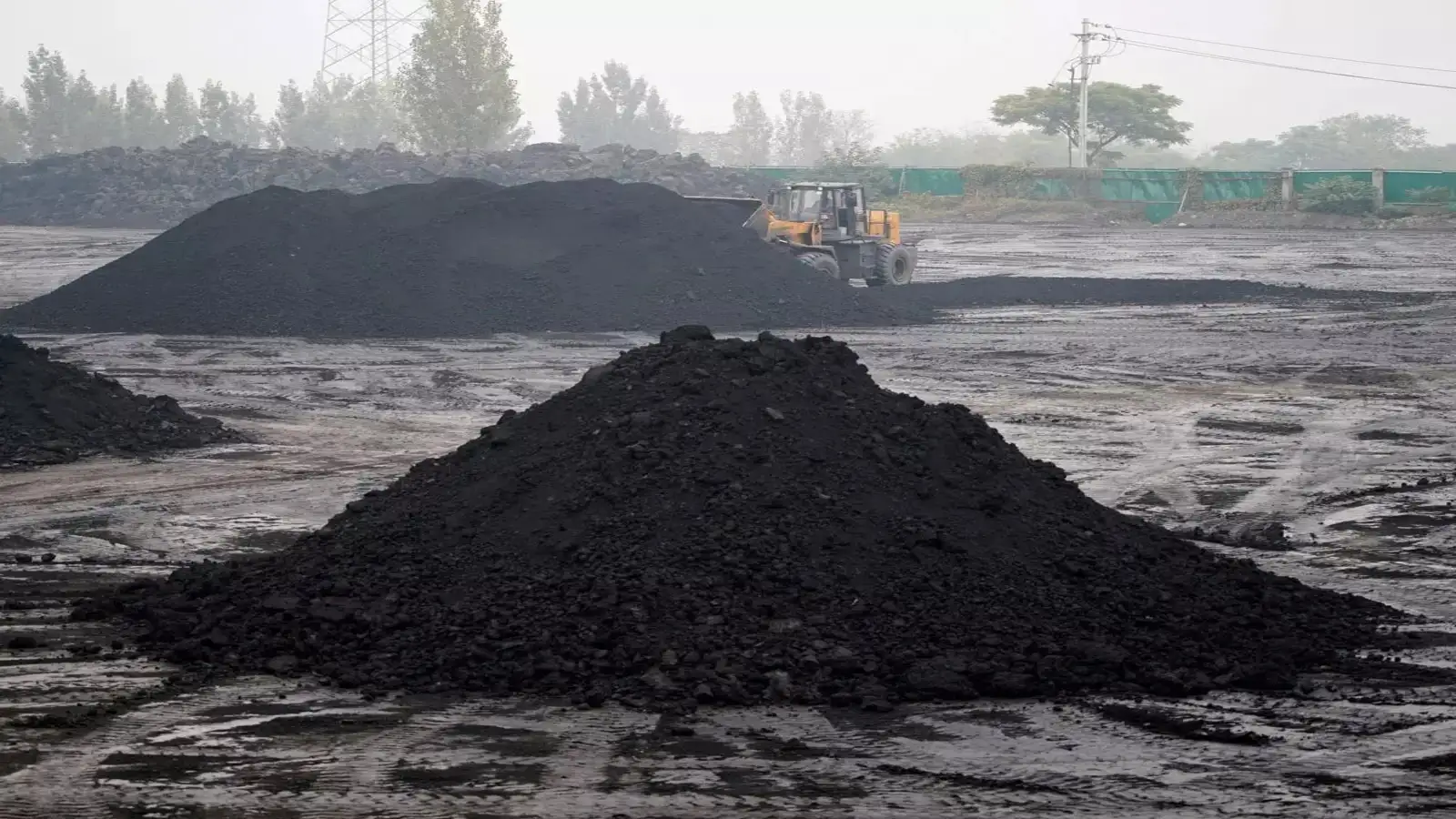
Steel Authority of India Ltd (SAIL) and Bharat Coking Coal Ltd (BCCL) have agreed to jointly develop two adjoining coking coal blocks in West Bengal, creating a proposed 4 million tonnes per annum (MTPA) operation. The move could strengthen domestic raw-material supply for steelmakers, but its wider value will depend on project execution, environmental safeguards and how efficiently the two mines are integrated.

The memorandum of understanding signed on 25 September covers SAIL’s Indikatta Ramnagore block and BCCL’s East of Damagoria, also known as Kalyaneshwari, block. Together, they have a combined peak rated capacity of 4 MTPA, while Phase I is estimated to contain about 79 million tonnes of extractable reserves. The figures indicate significant resource potential, although an MoU does not by itself establish a production schedule. The operating model is unusual because the adjoining blocks are intended to function as one coordinated mining system. During the first phase, coal extraction is planned at Kalyaneshwari while overburden — the soil and rock removed to reach coal would be placed in the Ramnagore block. The roles would switch in the second phase.

This arrangement could reduce duplication in handling and make better use of neighbouring land. It also creates a direct operational link between two separate public-sector entities. Delays in mining, dumping capacity, land preparation or approvals at one block could therefore affect activity at the other. For India’s steel industry, the project addresses a persistent supply-chain issue. Coking coal is an essential input for conventional blast-furnace steelmaking, while domestic availability has not kept pace with the sector’s requirements. Expanding local supply could reduce exposure to imported coal prices, shipping disruptions and international commodity cycles.The economic benefit, however, should be viewed alongside the physical footprint of coal extraction. New mining capacity can alter land use, local drainage, water systems and surrounding ecosystems. The integrated approach therefore needs clear environmental management, responsible overburden handling, rehabilitation planning and monitoring of impacts on communities near the blocks.

For West Bengal, the project also illustrates the infrastructure trade-off facing industrial regions: additional mineral supply can support manufacturing and employment, while poorly managed extraction can create long-term costs for land and local environmental resilience. The quality of implementation will matter as much as the headline capacity. The next stage will be critical. Environmental and other statutory approvals, detailed mine-development planning, financing, construction of supporting infrastructure and a clear production timetable will determine when the proposed capacity can become operational. Until those milestones are established, the coking coal project remains a development plan rather than an immediate addition to India’s supply.

Also Read : India Steel Output Gains As Global Production Slips
SAIL Coking Coal Project Links West Bengal Blocks
RELATED ARTICLES

LEAVE A REPLY

Please enter your comment!
Please enter your name here

- Advertisment -spot_img

Most Popular

Recent Comments

Odisha Steel Capacity Set to Reshape Industrial Growth

Odisha Steel Capacity Set to Reshape Industrial Growth

Odisha is preparing for a major expansion of its metals economy, with officials projecting installed steel capacity could reach 150–180 million tonnes within five...

India Steel Output Gains As Global Production Slips

India Steel Output Gains As Global Production Slips

India’s steel industry continued to expand in August even as global crude steel production contracted, highlighting the country’s growing role in the international steel...
India Orders Captive Coal Plants to Boost Grid Supply

India Orders Captive Coal Plants to Boost Grid Supply

India is turning to its industrial captive power base as electricity demand remains unusually high for September, with 112 coal-based generating stations ordered to...
Andhra Pradesh Clears Land for Cement Expansion

Andhra Pradesh Clears Land for Cement Expansion

Andhra Pradesh has approved 250 acres for the expansion of an integrated cement facility in YSR Kadapa district, enabling planned production capacity to reach...
Global White Cement Demand Shifts With Urban Design

Global White Cement Demand Shifts With Urban Design

The global white cement market is set for steady expansion through 2035 as architectural concrete, terrazzo, tile finishes and precast construction widen demand. The...