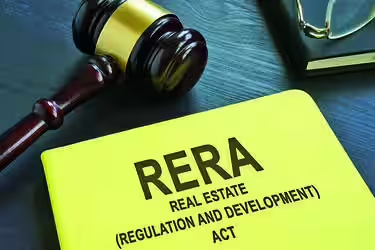
A Telangana real estate dispute over a ₹1 lakh booking payment has ended after the money was returned to the buyer and the complainant stopped attending hearings before the state regulator. The Hyderabad case highlights how quickly a consumer grievance can lose legal relevance once the claimed amount is settled, while also underlining the importance of continued participation in regulatory proceedings.
The complaint was filed under Section 31 of the Real Estate (Regulation and Development) Act, 2016, seeking recovery of the booking amount paid for two residential plots in a registered development at Balanagar, Shadnagar. Payment records submitted with the complaint formed part of the proceedings before the Telangana Real Estate Regulatory Authority (TG RERA). The dispute changed course after the developer reported that the full ₹1 lakh had been transferred back to the buyer. Records placed before the authority showed two separate NEFT payments of ₹50,000 each on March 27, 2026. With the entire amount at the centre of the complaint returned, the financial relief originally sought was no longer outstanding.
The Hyderabad RERA refund matter nevertheless remained before the authority for several months. Hearings were listed on March 24, April 23, July 2 and September 17. The complainant did not attend any of these proceedings, despite notices being served, according to the authority’s record. The developer attended the initial hearings and subsequently placed the repayment details before TG RERA. By the later hearings, neither side appeared. The authority therefore assessed the case on the material available on record. Its order recorded that the claimed amount had already been repaid and that no further monetary recovery remained to be considered.That distinction matters for property buyers. A Hyderabad RERA refund complaint can provide a formal route for seeking relief, but a regulator still requires the complainant to pursue the proceedings and respond to notices. The case also shows why buyers should retain payment receipts, bank records, booking documents and correspondence even when a dispute moves towards settlement.
TG RERA ultimately dismissed the complaint for non-prosecution after finding that no surviving cause of action remained once the ₹1 lakh had been refunded. The order was issued on October 1, 2026. The decision does not establish a wider finding against the developer or determine any unresolved dispute over the property itself; it closes this particular proceeding after repayment and the complainant’s continued absence. For Hyderabad’s expanding plotted-development market, the episode reinforces a basic consumer-protection lesson: financial settlements should be documented clearly, while buyers pursuing regulatory remedies need to remain engaged until their case is formally concluded.