HomeBricks & MortarUltraTech Pushes Cleaner Power For Cement Production

UltraTech Pushes Cleaner Power For Cement Production

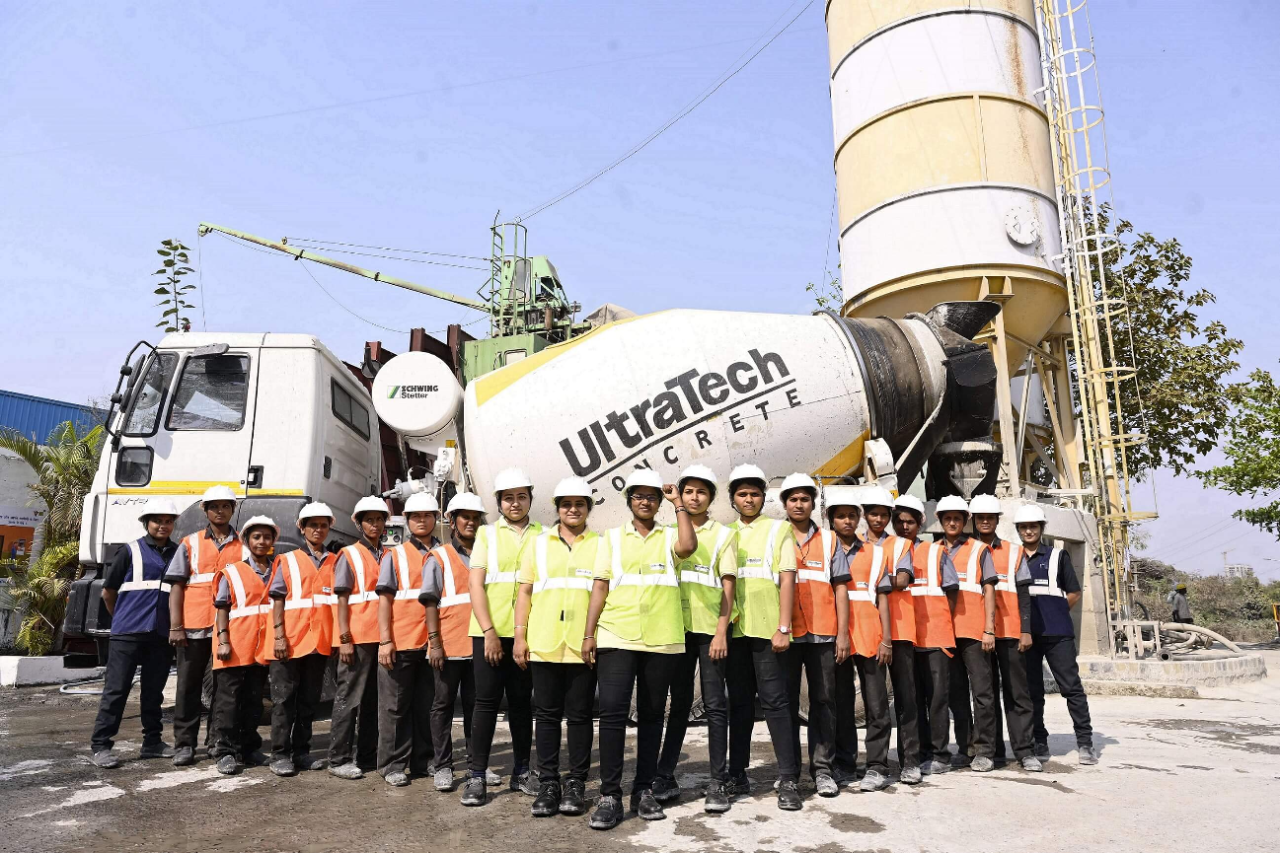
UltraTech has taken its captive clean-power capacity beyond 2 GW after commissioning a 116.55-MW wind project in Barmer, Rajasthan, alongside a 10-MW waste heat recovery system at its Sarlanagar plant in Karnataka. The expansion matters beyond one cement producer: electricity is a major source of industrial emissions, making cleaner power increasingly important as India expands housing and infrastructure.

The latest additions take UltraTech’s installed green-energy capacity to 2,024 MW. Renewable sources account for 1,580 MW, while waste heat recovery systems contribute another 444 MW. Together, these sources currently cover around 48% of the company’s electricity requirements. The scale is significant for the construction-materials sector because cement production is energy-intensive and difficult to decarbonise fully. Replacing conventional electricity with wind, solar and recovered industrial heat can reduce dependence on fossil-fuel-based power, although it does not eliminate emissions from the cement-making process itself.The UltraTech green power expansion also highlights the growing role of captive renewable generation in large industrial networks. Unlike grid-only procurement, captive projects can be integrated directly into manufacturing operations. However, renewable generation is variable, making storage and balancing systems important if factories are to rely on cleaner electricity without compromising production reliability.

UltraTech has been adding battery storage to its renewable portfolio for this reason. Its operations include a hybrid renewable project combining solar, wind and battery storage at its Sewagram manufacturing facility in Gujarat. Such systems point towards a broader industrial shift in which renewable generation is paired with storage rather than treated as a simple replacement for conventional electricity.The company added 430 MW of green-energy capacity during FY26. During the current financial year, nearly one-third of its 76 manufacturing units in India have reportedly maintained green-energy utilisation above 50% of electricity consumption, with five facilities exceeding 95%.For India’s rapidly expanding built environment, the significance is wider than corporate energy targets. Cement, steel and other materials underpin roads, housing, metros and commercial development. Their carbon intensity therefore affects the environmental footprint of the infrastructure being built across cities and emerging urban regions.

The UltraTech green power push also comes as industrial electricity demand is expected to rise with capacity expansion. A cleaner power mix can help moderate operational emissions, but the larger sustainability challenge remains cement chemistry, transport emissions, resource efficiency and the responsible expansion of production capacity.The next test will be whether renewable power, storage and waste-heat recovery can scale alongside manufacturing without shifting environmental pressures elsewhere. For India’s cities, the value of cleaner cement will ultimately depend on whether growing construction demand can be met with lower-carbon materials and more efficient infrastructure.

Also Read : Heidelberg Cement India Stays Near Yearly Low
UltraTech Pushes Cleaner Power For Cement Production
RELATED ARTICLES

LEAVE A REPLY

Please enter your comment!
Please enter your name here

- Advertisment -spot_img

Most Popular

Recent Comments

India Steel Market Faces Costlier Construction Inputs

India Steel Market Faces Costlier Construction Inputs

India’s steel industry strengthened production in September, but sharply higher domestic prices are adding pressure on construction and infrastructure costs. Raw steel output reached...
Heidelberg Cement India Stays Near Yearly Low

Heidelberg Cement India Stays Near Yearly Low

Heidelberg Cement India’s shares remained close to their one-year trough on October 6, extending a second consecutive session of near-low trading. The stock was...
JSW Cement Capacity Expands Across Northern Markets

JSW Cement Capacity Expands Across Northern Markets

A new grinding unit at Nagaur, Rajasthan, has taken JSW Cement’s total grinding capacity to 25.1 million tonnes a year, expanding its ability to...

Max Estates Drives NCR Housing Demand Higher

Max Estates Drives NCR Housing Demand Higher

Delhi-NCR’s premium housing market is showing renewed buying momentum, with Max Estates recording around ₹3,200 crore in pre-sales during the first half of FY27....

Experion Housing Investment Expands Beyond Delhi NCR

Experion Housing Investment Expands Beyond Delhi NCR

A ₹10,000 crore housing investment planned by Experion Developers over the next five years is set to expand its luxury residential pipeline across Delhi-NCR,...